JB Music Co. - 09 / Jun / 2025
Acoustic Guitar Scale Length Explained: How 24.9" vs 25.4" vs 25.5" Impacts Playability
When shopping for an acoustic guitar, most players focus on body shape, tonewood, and brand reputation—but one of the most important specifications often goes overlooked: scale length. This single measurement profoundly affects string tension, playability, tone, and overall playing experience. Understanding the differences between common scale lengths like 24.9", 25.4", and 25.5" can help you select an acoustic guitar that feels perfectly matched to your hands, playing style, and musical goals.
At Janzen Brothers Music Company, our diverse acoustic guitar collection includes instruments across the full spectrum of scale lengths. Whether you're seeking the relaxed playability of a shorter scale or the crisp articulation of a longer scale, understanding how these measurements impact performance will guide you toward your ideal instrument.
What is Scale Length and How is it Measured?
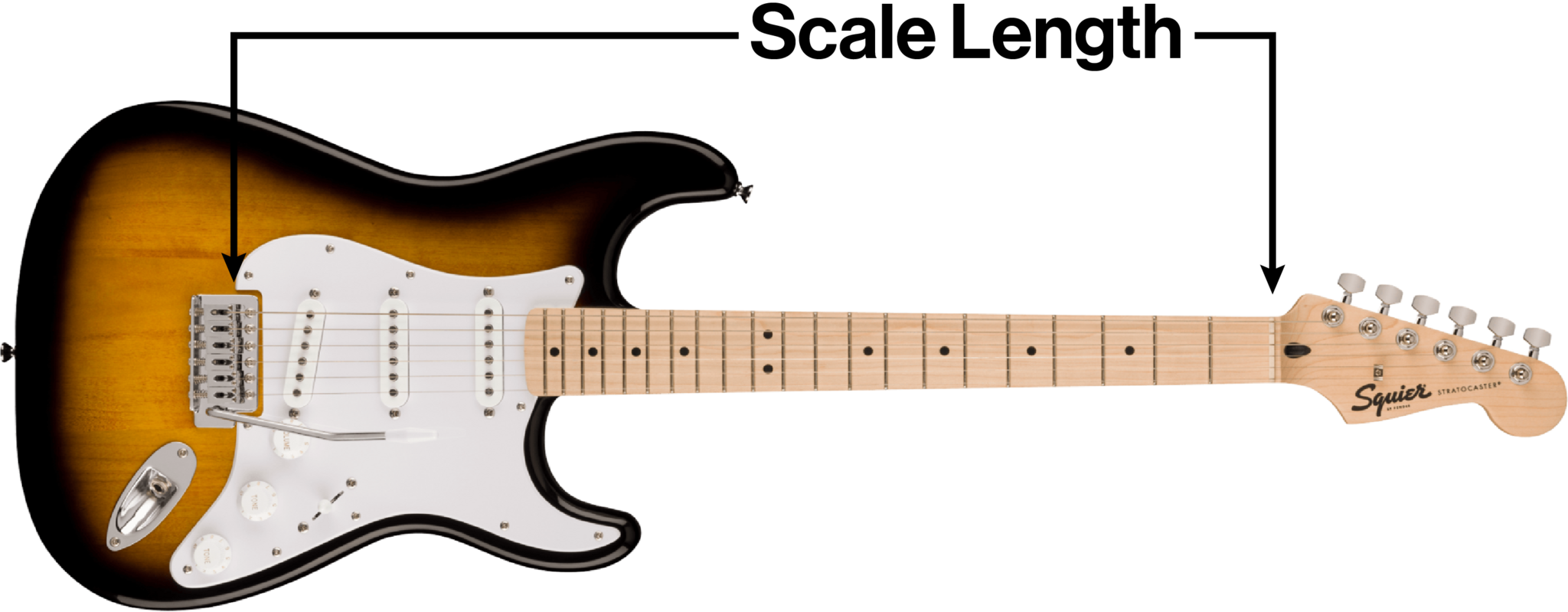
Scale length refers to the vibrating length of the strings on a guitar—specifically, the distance from the nut (where the headstock meets the fretboard) to the bridge saddle (where strings anchor at the body). This measurement is exactly double the distance from the nut to the 12th fret, which is why the 12th fret always sits precisely at the midpoint of the scale.
Common acoustic guitar scale lengths include:
- 24.75" (628mm): Short scale, popularized by Gibson
- 24.9" (632mm): Medium-short scale, used by some boutique makers
- 25.4" (645mm): Medium scale, featured on many Martin and Taylor models
- 25.5" (648mm): Long scale, the Fender standard and used by many manufacturers
- 26" (660mm) and longer: Extra-long scales found on some baritone and specialty guitars
While these measurements may seem marginally different—just fractions of an inch—they create surprisingly noticeable differences in feel, tone, and playability. Let's explore how each common scale length performs and which players benefit most from each specification.
The Physics Behind Scale Length
Before diving into specific measurements, understanding the physics helps explain why scale length matters so much. When you tune a guitar string to a specific pitch, that string must achieve a particular tension to vibrate at the correct frequency. Scale length directly determines how much tension is required.
Longer scale lengths require higher string tension to reach standard tuning pitches. When you stretch a string across 25.5 inches and tune it to E, that string must be pulled tighter than an identical string stretched across only 24.9 inches and tuned to the same pitch.
This tension difference affects multiple performance aspects:
- Playability: Higher tension strings feel tighter and require more finger pressure to fret and bend
- Tone: Increased tension produces brighter, more articulate sound with enhanced treble presence
- Sustain: Higher tension typically generates longer sustain and more controlled string vibration
- Tuning stability: Greater tension helps guitars maintain stable tuning, especially during aggressive playing
Lower tension from shorter scales creates the opposite characteristics: easier playability with slightly warmer tone and reduced sustain. Neither approach is objectively superior—they simply serve different musical needs and player preferences.

24.9" Scale Length: Comfort and Warmth
The 24.9" scale length occupies middle ground between Gibson's classic 24.75" short scale and the longer 25.4"-25.5" standards. This measurement offers a compelling balance that attracts players seeking easier playability without sacrificing too much of the tonal characteristics associated with longer scales.
Playability Characteristics of 24.9" Scale
Guitars with 24.9" scale length provide noticeably relaxed string tension compared to longer scales. This reduced tension delivers several playability advantages:
Easier Fretting: Less finger pressure is required to cleanly fret notes, reducing hand fatigue during extended playing sessions. This benefit particularly helps beginners building finger strength and players with smaller hands or reduced grip strength.
Effortless Bending: String bends require less force, allowing you to execute expressive vibrato and pitch bends with greater control and less physical effort. Blues players and lead guitarists often appreciate this characteristic.
Comfortable Chord Voicings: Barre chords and complex jazz voicings feel less demanding on the fretting hand, enabling longer practice sessions without discomfort.
Reduced Fret Spacing: The slightly shorter scale means frets sit marginally closer together, making stretches and wide interval jumps more manageable, especially in the lower positions.
Tonal Properties of 24.9" Guitars
The reduced string tension of 24.9" scale guitars produces a distinctive tonal signature:
Warm Midrange Focus: Lower tension emphasizes midrange frequencies, creating warm, full-bodied tone that sits beautifully in mix-dense musical arrangements.
Slightly Less Treble Snap: Compared to longer scales, 24.9" instruments produce somewhat softer treble attack—a quality many players find musical and less harsh, particularly for fingerstyle playing.
Rich Chord Voicings: The slightly compressed dynamic range makes full chords sound cohesive and integrated, ideal for rhythm guitar work and accompaniment.
Excellent for Alternate Tunings: Lower baseline tension makes alternate tunings more practical. Drop tunings, open tunings, and down-tuning remain playable without excessive string slackness.
Ideal Players for 24.9" Scale
This scale length particularly suits:
- Players with smaller hands or shorter fingers
- Beginners developing finger strength and technique
- Singer-songwriters focused on rhythm and accompaniment
- Blues and jazz players who bend strings frequently
- Anyone experiencing hand fatigue or discomfort with longer scales
- Musicians who regularly use alternate tunings
25.4" Scale Length: The Versatile Standard
The 25.4" scale length represents what many consider the "Goldilocks" measurement—not too long, not too short, but just right for enormous versatility. This specification appears frequently in Martin's popular models and throughout the acoustic guitar industry as a proven all-purpose choice.
Why 25.4" Became an Industry Standard
Martin Guitar's adoption of 25.4" scale (often called "Martin scale" or "standard scale") established this measurement as a reference point for acoustic guitar design. The scale length proved ideal for steel-string acoustic guitars, providing optimal balance between playability and tonal performance.
This scale delivers sufficient string tension for bright, articulate tone with strong projection while remaining comfortable enough for most players' hands. It's genuinely versatile—equally suitable for flatpicking, fingerstyle, strumming, and lead work.
Playability of 25.4" Scale Guitars
The 25.4" scale strikes an excellent balance:
Moderate String Tension: Tension sits comfortably between short and long scales, providing good feel without excessive tightness or unwanted looseness.
Comfortable for Most Hand Sizes: The moderate fret spacing accommodates both smaller and larger hands reasonably well, making these guitars accessible to the broadest range of players.
Responsive Touch Dynamics: Sufficient tension ensures the guitar responds accurately to playing dynamics, from gentle fingerpicking to aggressive strumming, without feeling either too stiff or too loose.
Versatile Technique Support: This scale works beautifully for virtually any acoustic guitar technique—fingerstyle, flatpicking, clawhammer, Travis picking, or contemporary percussive styles.
Tonal Characteristics of 25.4" Guitars
The 25.4" scale produces what many players consider "classic acoustic guitar tone":
Balanced Frequency Response: Even representation across bass, midrange, and treble frequencies creates a well-rounded voice suitable for any musical style.
Clear Note Definition: Adequate string tension ensures individual notes remain distinct and articulate, even in complex chord voicings or fast passages.
Strong Projection: Moderate tension generates good volume and projection, helping these guitars cut through band mixes without overwhelming other instruments.
Natural Harmonic Content: Balanced tension allows the guitar's tonewoods to express their inherent sonic characteristics without the exaggeration that can occur with extreme scale lengths.
Who Should Choose 25.4" Scale
This scale length works exceptionally well for:
- Players seeking maximum versatility across musical styles
- Guitarists transitioning from electric to acoustic (similar to many electric scale lengths)
- Performers who need reliable projection and clarity
- Musicians who play both lead and rhythm parts
- Anyone wanting "traditional" acoustic guitar sound and feel
- Players comfortable with standard, moderate string tension
25.5" Scale Length: Maximum Clarity and Definition
The 25.5" scale length, standardized by Fender for electric guitars, has become increasingly popular for acoustic guitars as well. This longer scale produces notably higher string tension, delivering specific tonal and playing characteristics that many modern players actively seek.
The Benefits of Increased String Tension
The 25.5" scale's higher tension creates several distinctive advantages:
Enhanced Clarity and Articulation: Each note speaks with crisp definition, making every melodic line and harmonic detail crystal clear. This clarity proves invaluable for complex fingerstyle arrangements and intricate chord voicings.
Brighter Tonal Character: Increased tension emphasizes treble frequencies and harmonic overtones, producing a bright, shimmering acoustic voice that records beautifully and cuts through dense mixes.
Extended Sustain: Higher tension strings vibrate more efficiently and consistently, generating longer sustain that helps notes ring and connect smoothly.
Excellent Tuning Stability: The increased tension makes these guitars less susceptible to going out of tune during performance, even with aggressive playing or environmental changes.
Tighter Bass Response: Low strings remain focused and articulate rather than becoming loose or muddy, maintaining clarity even in dropped tunings or with lighter gauge strings.
Playability Considerations with 25.5" Scale
The longer scale's increased tension creates specific playing characteristics:
Firmer Feel Under Fingers: Higher tension requires slightly more finger pressure for fretting and bending. Players with strong hands often appreciate this solid, responsive feel.
More Challenging String Bends: Bending strings requires additional force compared to shorter scales. While still entirely manageable, players who frequently bend strings should be aware of this difference.
Precise Fret Spacing: Slightly wider fret spacing can make large stretches more challenging, particularly for players with smaller hands. However, many players adapt quickly and appreciate the added precision this spacing provides.
Excellent for Alternate Tunings: Despite higher baseline tension, the 25.5" scale accommodates dropped tunings exceptionally well, maintaining good tension and playability even when tuning down a full step or more.
Tonal Signature of 25.5" Guitars
Guitars with 25.5" scale length deliver a distinctive sonic profile:
Modern, Articulate Voice: Contemporary, clear tone that works beautifully for recording, amplification, and modern acoustic styles.
Strong Fundamental Notes: Each note's fundamental frequency comes through clearly with well-defined attack and decay.
Sparkling Highs: Enhanced treble presence creates shimmer and air in the high frequencies, particularly noticeable with fingerstyle playing and harmonics.
Controlled Low End: Bass frequencies remain tight and focused rather than boomy, providing excellent definition in the lower register.
Ideal Players for 25.5" Scale
This longer scale particularly benefits:
- Fingerstyle players who need maximum note clarity and separation
- Recording artists who want defined, articulate acoustic tone
- Players with larger hands who appreciate wider fret spacing
- Musicians who frequently use dropped or alternate tunings
- Flatpickers seeking bright, cutting lead tone
- Anyone who prefers tighter string feel and enhanced treble presence
Choosing the Right Scale Length for Your Playing Style
Selecting the optimal scale length depends on multiple factors:
Consider Your Physical Attributes
Hand Size: Players with smaller hands often find 24.9" scales more comfortable, while those with larger hands may prefer the wider fret spacing of 25.4" or 25.5" scales.
Finger Strength: If you're building finger strength or experience fatigue, shorter scales reduce the required pressure for clean fretting.
Playing Stamina: Professional players performing long sets might appreciate the reduced tension of shorter scales for endurance.
Evaluate Your Musical Style
Fingerstyle: The clarity of 25.4" or 25.5" scales helps intricate patterns remain distinct and articulate.
Strumming and Rhythm: The warmth and fullness of 24.9" or 25.4" scales create rich chord voicings.
Lead Playing: If you bend strings frequently, shorter scales require less effort for expressive techniques.
Recording: Longer scales typically record with greater clarity and definition, translating beautifully through microphones and studio processing.
Think About String Gauges
Scale length and string gauge work together to determine overall tension:
- Shorter scales work beautifully with medium gauge strings, providing good tension without excessive tightness
- Longer scales accommodate lighter gauge strings while maintaining sufficient tension for good tone and playability
- Customizing tension by combining your preferred scale with appropriate string gauges allows fine-tuning of playing feel
Common Scale Length Myths Debunked
Several misconceptions about scale length persist in guitar circles:
Myth: "Longer scales always sound better." Reality: Scale length creates different tonal characteristics—not objectively better or worse. Musical context and personal preference determine what sounds best.
Myth: "Short scales are only for beginners." Reality: Many professional players choose shorter scales for their specific tonal qualities and playability advantages. Legendary players have created iconic music on short-scale instruments.
Myth: "You can't play lead guitar on short scales." Reality: Countless guitar heroes have demonstrated that technical prowess and musicality transcend scale length specifications.
Experience Different Scale Lengths at Janzen Brothers
The best way to understand how scale length affects your playing is through hands-on experience. At Janzen Brothers Music Company, our comprehensive acoustic guitar inventory includes instruments across the full range of scale lengths from leading manufacturers.
Our knowledgeable team understands the practical implications of scale length specifications and can help you identify guitars that match your physical requirements, playing style, and tonal preferences. We encourage you to explore different scale lengths and discover how these measurements influence your playing experience.
The Practical Difference: Real-World Impact
While the differences between 24.9", 25.4", and 25.5" may seem minimal on paper—just over half an inch total—the real-world impact on playability and tone proves surprisingly significant. Most experienced players can immediately feel the difference when switching between scales, and many develop strong preferences based on their individual needs.
Some players keep multiple guitars with different scale lengths in their collection, choosing instruments based on the specific demands of each musical situation. A 24.9" guitar might serve beautifully for intimate singer-songwriter performances, while a 25.5" instrument handles recording sessions where clarity and definition matter most.
Conclusion: Find Your Perfect Scale Length
Scale length represents one of the most important—yet often overlooked—specifications in acoustic guitar design. Understanding how 24.9", 25.4", and 25.5" scales differ in string tension, playability, and tone empowers you to make informed decisions that enhance your musical journey.
Whether you prioritize comfortable playability, balanced versatility, or maximum clarity, there's an optimal scale length waiting to transform your playing experience. Visit our extensive collection of acoustic guitars at Janzen Brothers Music Company to explore instruments featuring different scale lengths from the world's finest manufacturers.
Your hands are unique, your playing style is personal, and your musical voice deserves an instrument perfectly suited to your needs. Start exploring today and discover how the right scale length can unlock new levels of playability, comfort, and musical expression.
Ready to find the perfect acoustic guitar for your hands? Browse our complete selection at Janzen Brothers Music Company and experience guitars with various scale lengths. With expert guidance, Canada-wide shipping, and our commitment to 100% customer satisfaction, your ideal instrument awaits. Shop our acoustic guitar collection today!