JB Music Co. - 15 / Feb / 2025
Amplifying String Instruments: Pickup Systems for Performance and Recording
The modern musical landscape increasingly demands string instruments that can seamlessly transition between acoustic and amplified performance contexts without compromising their natural tonal characteristics or authentic playing feel. Whether performing in large venues, recording in professional studios, or integrating with contemporary ensembles featuring electric instruments, today's violinists and cellists need amplification solutions that preserve acoustic authenticity while meeting the technical demands of modern musical production and live performance.
At Janzen Brothers, we understand that amplifying string instruments involves balancing acoustic integrity with technological capability, ensuring that electronic enhancement supports rather than diminishes the natural beauty and expressive range that defines quality string instruments. This comprehensive guide explores pickup systems and amplification technologies that enable string players to expand their musical horizons while maintaining the authentic sound characteristics that make acoustic string instruments so compelling and musically satisfying.
The challenge of string instrument amplification lies in capturing the complex harmonic content, dynamic range, and tonal nuances that define quality violins and cellos while providing reliable, feedback-resistant performance in amplified environments. Understanding how different pickup technologies work enables informed decisions that enhance rather than compromise natural instrument characteristics.
Understanding String Instrument Amplification Fundamentals
The Science of Acoustic Sound Capture
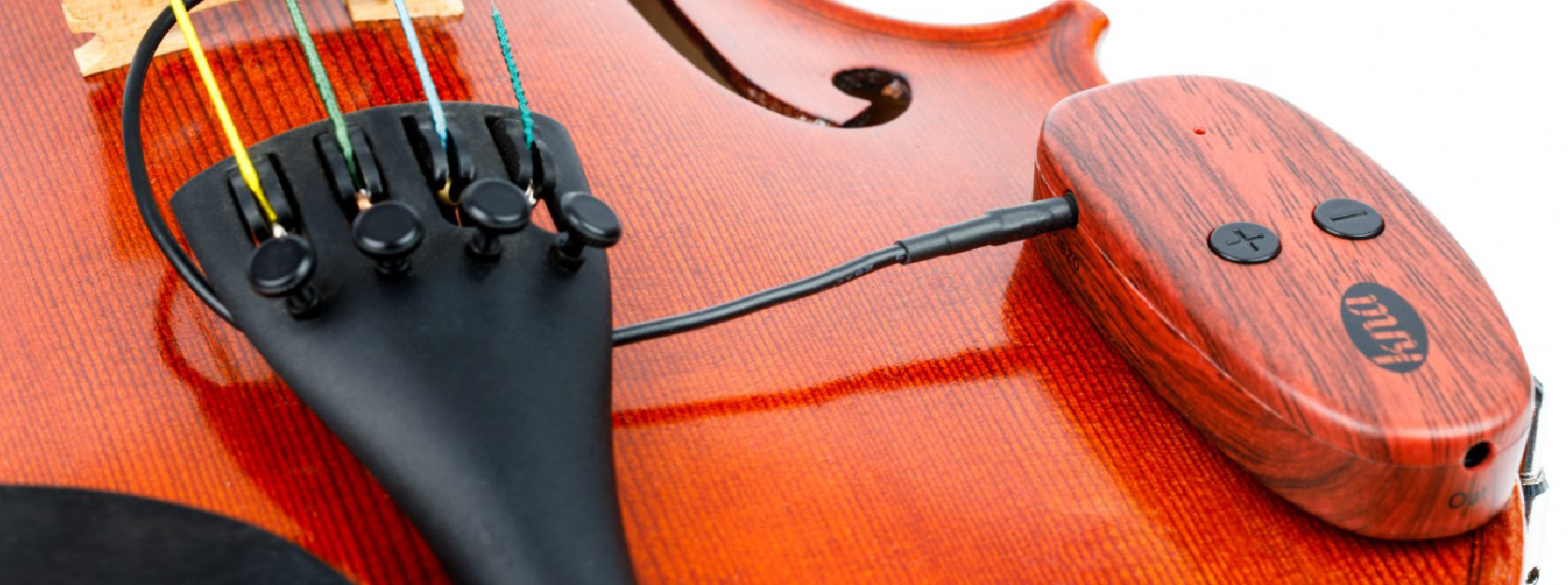
String instrument amplification requires converting acoustic vibrations into electrical signals that can be processed, amplified, and reproduced through speakers while maintaining the essential tonal characteristics that define authentic string sound. This conversion process presents unique challenges due to the complex harmonic content and dynamic range that characterize quality string instruments.
Vibration Transmission and Pickup Placement String instruments generate sound through multiple vibration sources including string oscillation, body resonance, and air movement within the instrument cavity. Different pickup types capture these vibrations at various points, affecting the tonal characteristics and authenticity of the amplified sound while influencing feedback resistance and overall system performance.
Understanding vibration transmission helps explain why pickup placement dramatically affects tone quality and why different pickup types excel in specific musical applications while presenting distinct advantages and limitations for various performance contexts.
Frequency Response and Harmonic Preservation Quality string instrument amplification systems must accurately reproduce the full frequency spectrum generated by acoustic instruments, from the lowest fundamental frequencies to the highest harmonic overtones that contribute to tonal complexity and musical expression. Inadequate frequency response results in thin, artificial sounds that fail to convey the richness and authenticity of acoustic string instruments.
Advanced pickup systems incorporate sophisticated frequency response characteristics that preserve natural tonal balance while providing the reliability and feedback resistance required for professional performance and recording applications.
Types of String Instrument Pickup Systems
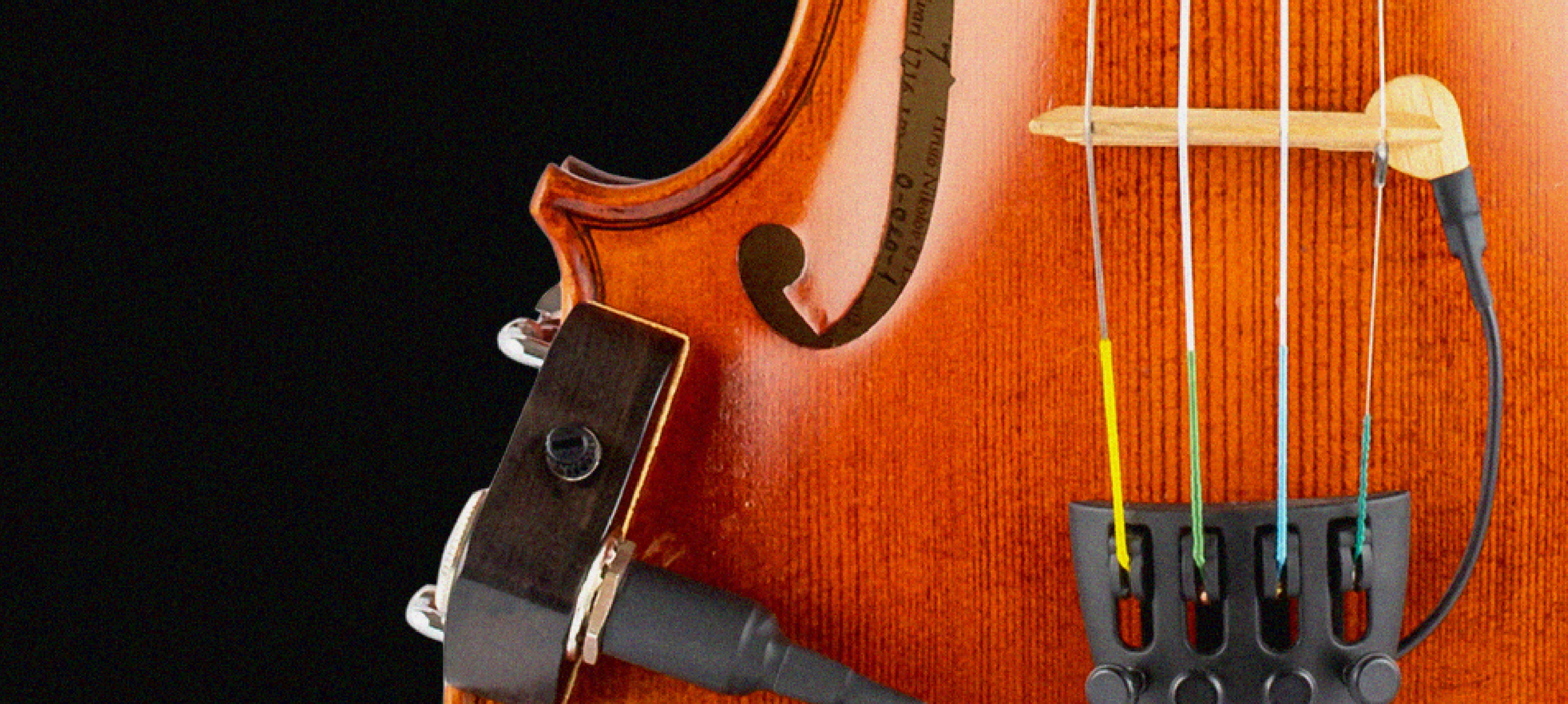
Piezoelectric (Crystal) Pickups Piezoelectric pickups represent the most common amplification solution for string instruments, using crystal technology to convert mechanical vibration directly into electrical signals. These systems typically mount under the bridge feet or integrate into bridge assemblies, capturing body vibrations that reflect the instrument's natural resonance characteristics.
Piezo pickups offer excellent feedback resistance and reliable performance while maintaining reasonable tonal authenticity, making them popular choices for live performance applications where dependability and volume capability take priority over absolute tonal perfection.
Magnetic Pickups Magnetic pickup systems detect string vibration through electromagnetic induction, similar to electric guitar pickups but adapted for the unique characteristics of bowed string instruments. These systems typically mount near the fingerboard or bridge area, capturing string movement while minimizing body contact that might affect acoustic performance.
Magnetic pickups provide excellent string definition and bow noise isolation while offering unique tonal characteristics that work particularly well for contemporary musical styles where slight electronic coloration enhances rather than detracts from musical expression.
Microphone-Based Systems High-quality miniature microphones offer the most accurate acoustic sound reproduction by capturing airborne sound waves similar to traditional recording techniques. These systems typically mount inside the instrument or near the f-holes, providing authentic tonal characteristics while requiring sophisticated feedback control for live performance applications.
Microphone systems excel in recording and acoustic performance contexts where absolute tonal authenticity is paramount, though they require careful acoustic management to prevent feedback issues in high-volume performance environments.
Hybrid and Combination Systems Advanced pickup systems combine multiple technologies to optimize both tonal authenticity and practical performance characteristics. These sophisticated systems typically blend piezo, magnetic, and microphone elements through onboard mixing circuits that allow real-time balance adjustment between different pickup sources.
Hybrid systems provide maximum flexibility by enabling players to emphasize different sonic characteristics depending on musical context while offering comprehensive solutions that adapt to diverse performance requirements and acoustic environments.
Installation Considerations and Professional Setup

Reversible vs. Permanent Installation Methods
Temporary and Removable Systems Many string players prefer pickup systems that can be installed and removed without permanent modification to their instruments, preserving resale value while enabling acoustic-only performances when amplification isn't required. Temporary systems typically use clamps, adhesive mounting, or bridge replacement methods that maintain instrument integrity.
Removable pickup systems prove particularly valuable for players who alternate between acoustic and amplified performances or for those using vintage or valuable instruments where permanent modification would significantly affect value and acoustic characteristics.
Permanent Installation Benefits Permanent pickup installation often provides superior sound quality and reliability through optimized mounting and professional integration that minimizes acoustic impact while maximizing pickup performance. These installations typically involve routing, mounting hardware, and internal wiring that requires expert craftsmanship and instrument knowledge.
Professional installation ensures optimal pickup placement and secure mounting while maintaining instrument structural integrity and acoustic performance. The decision between temporary and permanent installation depends on individual performance requirements, instrument value, and long-term amplification needs.
Professional Installation and Setup Services
Expertise and Specialized Tools Pickup installation requires specialized knowledge of string instrument construction, acoustic principles, and electronic systems that ensure optimal performance while preventing damage to valuable instruments. Professional installation provides access to specialized tools and techniques that optimize pickup placement while preserving instrument integrity.
Understanding proper setup and maintenance practices enhances pickup system longevity and performance, which our comprehensive guide String Instrument Setup and Maintenance: Keeping Your Violin, Viola, or Cello Performance-Ready explores thoroughly, providing essential context for maintaining both acoustic and electronic instrument components.
Custom Integration and Optimization Professional installation services can customize pickup systems to individual instrument characteristics and player preferences, optimizing tone balance and performance characteristics while ensuring reliable operation across diverse musical applications and performance environments.
Custom integration considers factors including instrument size, wood characteristics, playing style, and performance requirements to create pickup solutions that enhance rather than compromise natural instrument qualities while meeting specific amplification needs.
Recording Applications and Studio Considerations
Home Studio Integration
Direct Recording Capabilities Modern pickup systems enable direct recording to digital audio workstations without requiring microphones or acoustic treatment, providing convenient home studio solutions that capture authentic string instrument sounds while eliminating acoustic environment limitations and background noise concerns.
Direct recording offers consistent results regardless of room acoustics while enabling close-miked string sounds that work effectively in contemporary music production contexts where isolation and control take priority over natural acoustic ambience.
Multi-Track Recording and Layering Pickup systems facilitate multi-track string recording that enables complex arrangements and layered string parts impossible with single acoustic instruments. This capability proves particularly valuable for composers and songwriters who need comprehensive string sounds without access to multiple players or professional recording facilities.
Advanced pickup systems with multiple outputs enable separate recording of different pickup elements, providing mixing flexibility that allows post-production optimization of tone balance and acoustic characteristics according to specific musical requirements and artistic vision.
Professional Studio Applications
Isolation and Bleed Control Recording studios benefit from pickup systems that provide complete isolation between instruments while eliminating acoustic bleed that can complicate mixing and post-production processing. Pickup systems enable string recording in any acoustic environment while providing predictable, consistent results.
Professional pickup systems offer the reliability and sound quality required for commercial recording applications where consistency and control are essential for meeting industry standards and client expectations.
Hybrid Recording Techniques Many professional recording sessions combine pickup systems with traditional microphone techniques, using pickup signals for isolation and control while adding microphone signals for acoustic authenticity and spatial characteristics that enhance musical depth and realism.
Hybrid recording approaches maximize the advantages of both acoustic and electronic sound capture while providing mixing flexibility that adapts to specific musical styles and production requirements.
Live Performance Applications
Venue Adaptability and Sound Reinforcement
Large Venue Requirements String instruments often struggle to project adequately in large venues or outdoor performance contexts where acoustic projection proves insufficient for audience coverage and ensemble balance. Pickup systems enable string instruments to compete effectively with amplified instruments while maintaining ensemble balance and musical clarity.
Quality pickup systems provide the volume capability and feedback resistance required for large venue performance while preserving enough acoustic character to maintain musical authenticity and expressive capability throughout dynamic performance ranges.
Monitor Systems and Stage Performance Live performance pickup systems must integrate effectively with monitor systems that provide stage volume for performer feedback while preventing acoustic feedback that can compromise performance quality. Understanding monitor system interaction helps optimize pickup performance while ensuring comfortable stage performance conditions.
Advanced pickup systems offer features including onboard preamps, tone controls, and feedback suppression that enhance live performance capability while providing real-time sound shaping tools that adapt to varying acoustic environments and sound system characteristics.
Contemporary Musical Integration
Band and Ensemble Applications String instruments increasingly appear in rock, pop, and contemporary ensembles where amplification is essential for ensemble balance and musical effectiveness. Pickup systems enable string instruments to function as equal partners in amplified musical contexts while maintaining their distinctive tonal characteristics.
Contemporary musical applications often benefit from pickup systems that offer slight electronic coloration or processing capabilities that help string instruments integrate with electronic instruments and effects processing while maintaining musical authenticity and expressive range.
Effects Processing and Sound Design Modern pickup systems enable string instruments to interface with effects processors, synthesizers, and computer-based sound design tools that expand creative possibilities while maintaining string instrument playing techniques and musical approaches.
Effects integration opens new creative territories for string players while enabling participation in electronic music contexts that require both acoustic authenticity and electronic processing capability for comprehensive musical expression.
Pickup System Selection and Compatibility
Instrument-Specific Considerations
Violin Pickup Applications Violin pickup systems must accommodate the instrument's compact size and delicate construction while providing reliable performance that doesn't interfere with traditional playing techniques or acoustic sound production. Violin pickups typically emphasize feedback resistance and reliable string tracking while maintaining natural tone characteristics.
Understanding proper instrument sizing enhances pickup selection effectiveness, which our detailed guide String Instrument Size Guide: Choosing the Right Violin, Viola, or Cello for Students provides, offering essential context for students and educators considering amplification options for developing musicians.
Cello Pickup Considerations Cello pickup systems benefit from the instrument's larger size and more robust construction while addressing unique challenges including endpin integration, larger dynamic range, and extended frequency response requirements that accommodate the cello's wide musical range and playing techniques.
Cello pickups often incorporate specialized mounting systems that accommodate the instrument's playing position and endpin requirements while providing optimal pickup placement for balanced tone capture and reliable performance across all playing positions and techniques.
Budget and Performance Balance
Entry-Level vs. Professional Systems Pickup system selection should balance performance requirements with budget constraints while ensuring adequate quality for intended applications. Entry-level systems provide basic amplification capability while professional systems offer advanced features and superior sound quality for demanding applications.
Understanding the relationship between cost and performance helps optimize pickup investments while ensuring adequate capability for current needs with potential for future expansion and upgrade as requirements evolve and musical applications become more sophisticated.
Long-Term Value and Upgrade Paths Quality pickup systems often provide upgrade paths and expansion capabilities that accommodate changing musical needs while protecting initial investments. Understanding system compatibility and expansion possibilities helps ensure pickup selections that grow with developing musical requirements and performance applications.
Maintenance and Troubleshooting
System Care and Longevity
Electronic Component Protection Pickup systems require specific care to ensure reliable operation and prevent damage from moisture, temperature variations, and physical stress that can affect performance quality and system longevity. Understanding proper care procedures protects pickup investments while ensuring consistent performance.
Professional Service and Repair Complex pickup systems benefit from professional service and repair capabilities that address technical issues while maintaining optimal performance characteristics. Establishing relationships with qualified technicians ensures ongoing system support while protecting pickup investments and performance capability.
Discovering Your Ideal Amplification Solution
Modern string instrument amplification opens new musical territories while preserving the authentic tonal characteristics that make acoustic string instruments so compelling and expressive. Whether you're seeking basic amplification for occasional performances or sophisticated pickup systems for professional recording and touring applications, understanding amplification principles enables informed decisions that enhance your musical capabilities.
Explore our comprehensive orchestral instrument collection at Janzen Brothers to discover string instruments that integrate beautifully with modern amplification systems while maintaining their acoustic authenticity and musical expressiveness. Our experienced staff provides guidance on pickup selection and installation that optimizes both acoustic and amplified performance for your specific musical goals.
Your string instrument's voice deserves amplification that honors its acoustic beauty while expanding its musical possibilities—discover pickup systems that bridge traditional craftsmanship with contemporary performance requirements, creating new opportunities for musical expression and artistic achievement.