JB Music Co. - 07 / Apr / 2025
Best Band Instruments for Elementary and Middle School Students

Choosing the right band instrument for your elementary or middle school student represents one of the most important decisions in their musical education journey. The instrument selection process affects not only their immediate learning experience but also their long-term relationship with music, their confidence in ensemble settings, and their potential for continued musical growth throughout their academic career and beyond.
At Janzen Brothers, we understand that parents and students face numerous considerations when selecting band instruments, from physical compatibility and learning curve to budget constraints and long-term educational value. This comprehensive guide explores the most suitable band instruments for young musicians, providing practical insights that help families make informed decisions that support successful musical development and lifelong musical appreciation.
The elementary and middle school years represent crucial periods for musical development, when students develop fundamental skills, discover their musical preferences, and establish practice habits that influence their entire musical journey. Selecting an instrument that matches a student's physical development, musical interests, and learning style creates the foundation for positive musical experiences that inspire continued growth and artistic expression.
Understanding Student Development and Instrument Selection
Physical Considerations for Young Musicians
Elementary and middle school students undergo significant physical development that directly affects their ability to play different instruments successfully. Hand size, lung capacity, dental development, and overall physical coordination all influence which instruments will provide positive learning experiences versus those that may create frustration or physical strain.
Hand Size and Finger Development Instruments requiring extensive finger stretching or complex fingering patterns may prove challenging for students with smaller hands. However, many instruments offer size variations specifically designed for younger players, making previously inaccessible instruments viable options for elementary students.
Respiratory Development Wind instruments require varying degrees of breath support and lung capacity. While all students can develop proper breathing technique over time, some instruments demand more immediate respiratory strength and control that may challenge younger students initially.
Dental Considerations Students experiencing tooth loss or orthodontic treatment may find certain instruments more comfortable than others. Understanding how different instruments interact with developing dental situations helps ensure continued playing comfort throughout these natural developmental phases.
Learning Curve and Musical Accessibility
Different instruments offer varying levels of initial accessibility, with some producing satisfying musical results quickly while others require more foundational development before students can create pleasing sounds. Balancing immediate gratification with long-term musical potential helps maintain student motivation throughout the crucial early learning period.
Immediate Musical Satisfaction Instruments that enable students to produce recognizable melodies relatively quickly often maintain higher motivation levels and encourage consistent practice. This immediate accessibility proves particularly important for younger students who may lose interest if progress feels too slow or difficult.
Technical Development Requirements Some instruments require more complex coordination between breath, embouchure, and fingering techniques, while others allow students to focus on one primary skill area initially. Understanding these technical requirements helps match instruments to individual student readiness and learning preferences.
Top Recommended Band Instruments for Young Students
Flute: Grace and Accessibility

Flutes consistently rank among the most popular and successful instruments for elementary and middle school students, offering excellent accessibility combined with beautiful musical results that inspire continued learning and practice.
Advantages for Young Students Flutes require relatively modest lung capacity compared to brass instruments, making them accessible to younger students still developing respiratory strength. The side-blown embouchure feels natural to many students and doesn't require the lip strength demanded by brass instruments.
The fingering system on flutes is relatively straightforward, with logical patterns that students can learn systematically. Most elementary students can produce pleasant sounds within their first few lessons, providing immediate encouragement that supports continued practice and musical development.
Physical Compatibility Modern student flutes feature curved headjoints and other adaptations that accommodate smaller students who might struggle with full-size instruments. These modifications enable elementary students to begin flute study without waiting for physical growth.
Musical Opportunities Flutes play prominent melodic roles in band arrangements, giving students frequent opportunities to perform interesting musical parts that maintain engagement and motivation. The instrument's agility enables students to develop technical skills that translate to advanced repertoire as they progress.
Clarinet: Versatility and Foundation

Clarinets provide excellent foundational experiences for young wind players, offering balanced technical requirements that develop comprehensive musical skills while producing warm, appealing sounds that blend well in ensemble settings.
Learning Advantages The clarinet's single-reed embouchure is generally easier for students to develop than double-reed instruments, while the fingering system provides logical patterns that support systematic skill development. Students typically achieve satisfying sound production within a few weeks of consistent practice.
Clarinets cover an extensive range from low chalumeau register to brilliant high clarion, giving students opportunities to explore diverse musical territories and develop comprehensive technical skills that support advanced playing.
Ensemble Value Clarinet sections form the harmonic and melodic backbone of most school bands, providing students with essential musical parts that teach ensemble skills, listening abilities, and musical responsibility. This central role helps students understand their importance within larger musical contexts.
Progressive Development The clarinet family includes multiple sizes and types, enabling students to transition to alto clarinets, bass clarinets, or other specialty instruments as they advance. This family progression provides long-term musical growth opportunities within familiar technical frameworks.
Trumpet: Leadership and Excitement
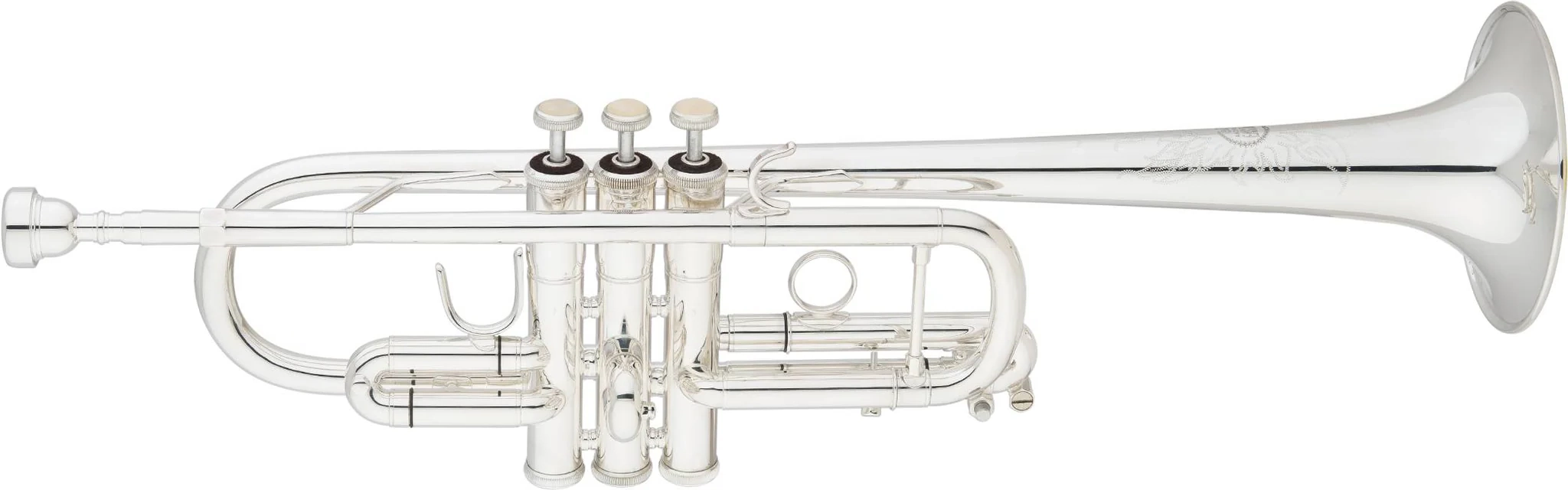
Trumpets appeal to many students seeking prominent, exciting musical roles, while offering excellent technical development opportunities that build foundational brass skills applicable to other brass instruments.
Musical Appeal Trumpets frequently carry melodic lines and exciting fanfare passages that capture student imagination and maintain practice motivation. The instrument's association with jazz, classical, and popular music provides diverse musical outlet opportunities that sustain long-term interest.
Technical Development Trumpet playing develops excellent breath control, embouchure strength, and musical listening skills that benefit overall musical development. The instrument's demanding technique encourages disciplined practice habits that support academic and personal growth.
Physical Considerations While trumpets require more initial lip strength than woodwind instruments, most elementary students can develop adequate embouchure with consistent practice and proper instruction. Student trumpet models are designed for developing players, with features that support learning and comfort.
Ensemble Leadership Trumpet players often assume leadership roles within band sections, developing confidence and musical responsibility that extend beyond instrumental technique to encompass musical maturity and ensemble awareness.
Alto Saxophone: Contemporary Appeal
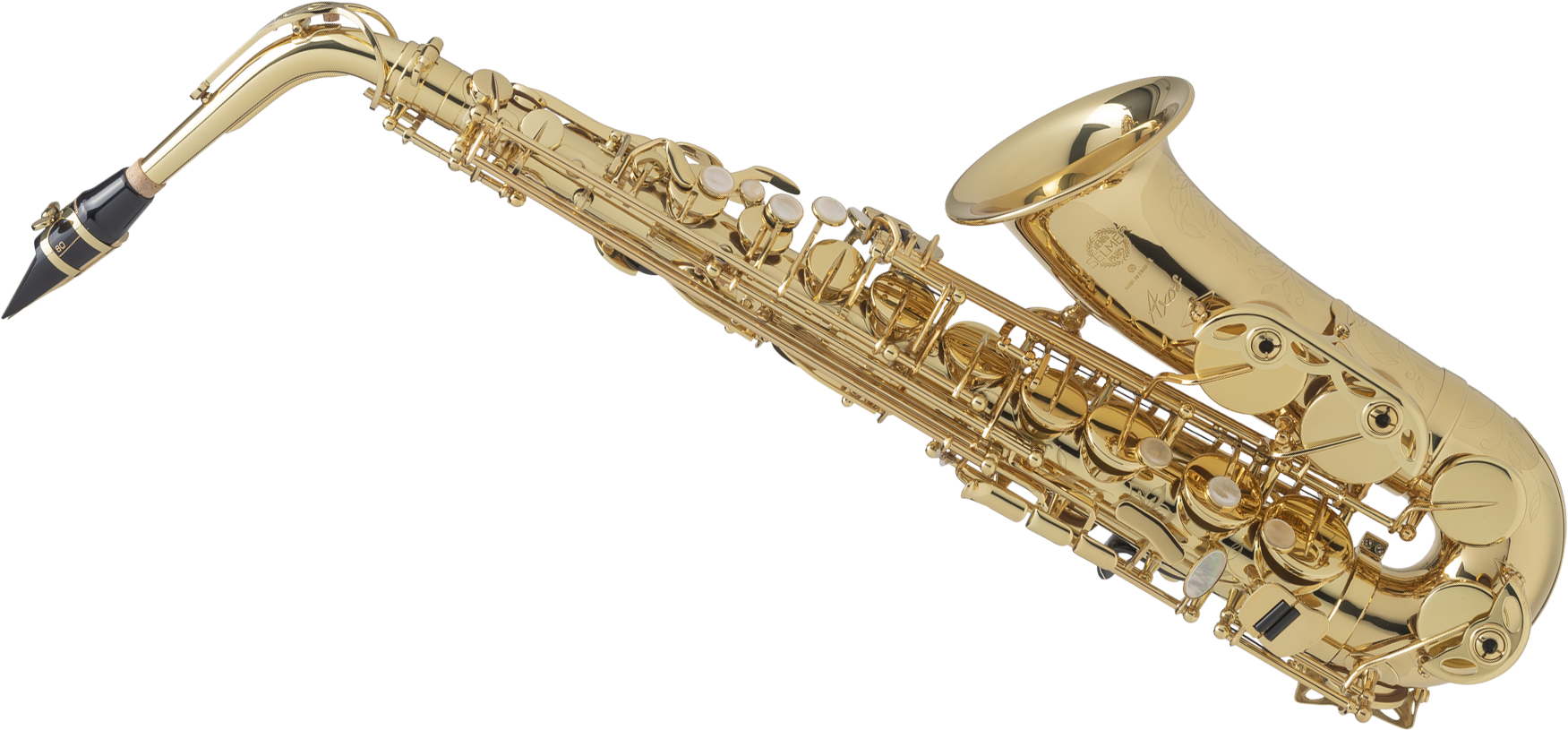
Alto saxophones from our saxophone collection provide excellent entry points into the saxophone family, offering immediate musical appeal combined with manageable technical requirements for middle school students.
Student-Friendly Characteristics Alto saxophones feature comfortable ergonomics for most middle school students, with key layouts that accommodate developing hand sizes and finger lengths. The single-reed embouchure is typically easier for students to develop than brass instrument embouchures.
The instrument produces satisfying sounds relatively quickly, enabling students to play recognizable melodies within their first few months of study. This immediate musical gratification helps maintain motivation throughout the initial learning period.
Musical Versatility Saxophones bridge classical band literature and contemporary popular music, giving students opportunities to explore diverse musical styles that maintain interest and relevance. Many students appreciate the saxophone's prominent role in jazz and popular music contexts.
For comprehensive information about saxophone varieties and their characteristics, explore our detailed guide: Saxophone Family Overview: Soprano, Alto, Tenor, and Baritone Differences, which provides essential background for students considering saxophone study.
Trombone: Unique Appeal and Accessibility
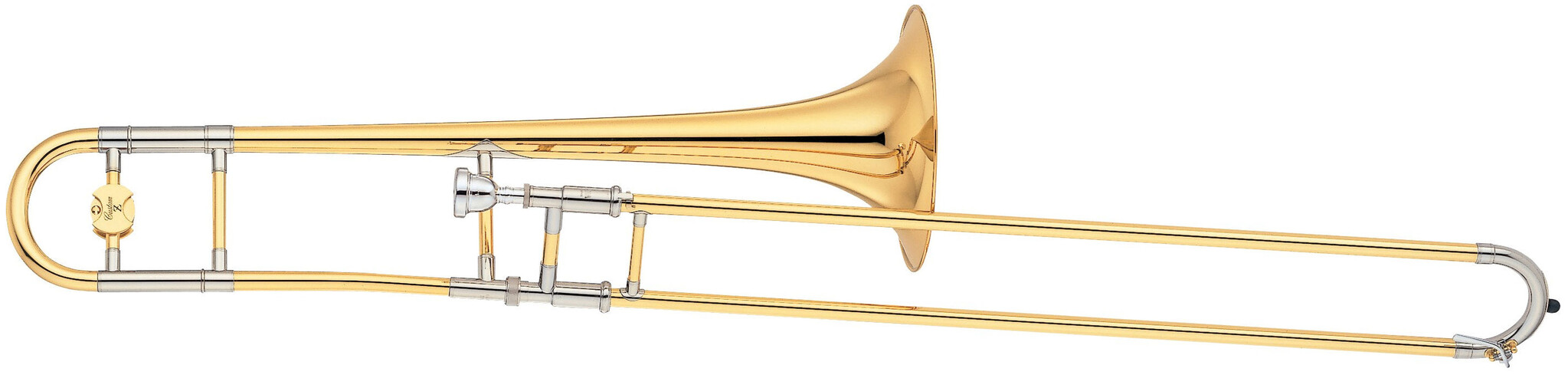
Trombones offer unique musical experiences through their slide-based pitch system, providing excellent opportunities for students who prefer alternative approaches to traditional valve or key-based instruments.
Distinctive Learning Experience The trombone's slide mechanism creates a direct, intuitive connection between physical movement and pitch production that many students find engaging and musical. This unique approach to pitch control develops excellent intonation skills and musical listening abilities.
Physical Accessibility While trombones appear large, most middle school students can handle student-model instruments comfortably. The slide positions are adjustable to accommodate shorter arm lengths, and modern student trombones feature ergonomic improvements that enhance playability.
Musical Value Trombones provide essential harmonic foundation in band arrangements while occasionally featuring in prominent melodic passages. This balanced role teaches students both supportive ensemble playing and individual musical expression.
Instruments to Consider Carefully
Advanced Consideration Instruments
Some band instruments, while excellent for advanced students, may present challenges for elementary and middle school beginners that could impact their initial musical success and long-term interest.
French Horn Complexity French horns offer beautiful musical possibilities but require advanced breath control, complex fingering systems, and sophisticated musical listening skills that may challenge younger students initially. Most music educators recommend waiting until high school or selecting simpler brass alternatives for elementary students.
Double Reed Challenges Oboes and bassoons create gorgeous musical sounds but require specialized embouchure development and reed maintenance skills that may prove frustrating for younger students. These instruments often work better as secondary instruments after students develop foundational musical skills.
Low Brass Considerations Tubas and euphoniums provide essential ensemble foundation but require significant lung capacity and physical size that may limit accessibility for elementary students. Middle school students with adequate physical development may find these instruments rewarding.
Practical Considerations for Families
Budget and Financial Planning
Band instrument selection involves significant financial considerations that affect both immediate affordability and long-term musical investment. Understanding various acquisition options helps families make sustainable decisions that support continued musical participation.
Rental vs. Purchase Decisions Rental programs provide affordable access to quality student instruments while offering flexibility for students still discovering their musical preferences. Many rental agreements include maintenance services and upgrade options that support growing musicians.
Quality vs. Cost Balance Student instruments require durability and reliability to withstand learning demands while providing good enough sound quality to encourage continued practice. Extremely cheap instruments often create frustration that outweighs their cost savings.
Long-Term Investment Considerations Quality student instruments typically retain reasonable resale value and can serve multiple family members over time. Understanding these long-term value factors helps justify initial investment in appropriate quality instruments.
Maintenance and Care Requirements
Different instruments require varying levels of daily maintenance and long-term care that affect both instrument longevity and ongoing costs. Understanding these requirements helps families prepare for successful instrument ownership.
Daily Care Routines All band instruments benefit from consistent post-practice care routines that prevent damage and maintain optimal playing condition. Teaching students appropriate care habits develops responsibility while protecting instrument investments.
Professional Maintenance Needs Brass instruments require periodic professional maintenance to ensure optimal valve function and overall reliability. Our comprehensive guide on Brass Instrument Maintenance: Essential Care for Trumpet, Trombone, and Horn Players provides essential information for families investing in brass instruments.
Supporting Student Success
Practice Environment and Schedule
Successful band instrument learning requires consistent practice in supportive environments that encourage musical development without creating family stress or neighbor conflicts.
Home Practice Considerations Different instruments produce varying volume levels that affect practice scheduling and location options. Understanding these acoustic considerations helps families plan appropriate practice arrangements that support consistent skill development.
Practice Motivation Strategies Young musicians benefit from structured practice approaches that balance skill development with musical enjoyment. Setting achievable goals and celebrating progress helps maintain motivation throughout challenging learning periods.
School Program Integration
Most elementary and middle school students learn band instruments within school programs that provide instruction, ensemble experience, and performance opportunities essential for musical development.
Teacher Collaboration Working closely with school music educators ensures instrument selections align with program needs while supporting individual student success. Teachers provide valuable insights about student readiness and instrument suitability.
Ensemble Participation Benefits Band participation develops musical skills alongside social abilities, teamwork, and performance confidence that benefit overall educational development. Understanding these broader benefits helps families commit to sustained musical participation.
Making the Final Decision
Individual Student Assessment
Successful instrument selection requires honest assessment of individual student characteristics, preferences, and family circumstances that affect long-term musical success.
Musical Interest and Motivation Students demonstrate higher success rates with instruments that genuinely interest them, even if those choices require additional effort or investment. Balancing practical considerations with student enthusiasm often produces the best long-term results.
Physical Development Timeline Some students may need to wait for additional physical development before tackling certain instruments successfully. Understanding these timelines helps families make appropriate decisions while maintaining musical interest.
Professional Guidance and Support
Music educators, private instructors, and knowledgeable music retailers provide valuable guidance that helps families navigate instrument selection decisions confidently.
Expert Consultation Value Professional musicians and educators offer insights about instrument characteristics, student readiness, and long-term musical potential that help families make informed decisions supporting musical success.
Beginning Your Musical Journey
Selecting the right band instrument for your elementary or middle school student creates the foundation for lifelong musical enjoyment and personal growth. Whether your student gravitates toward the soaring melodies of flute, the warm harmonies of clarinet, the brilliant fanfares of trumpet, the contemporary appeal of saxophone, or the unique character of trombone, choosing an appropriate instrument supports their musical development while opening doors to ensemble participation and artistic expression.
Explore our comprehensive band instrument collection at Janzen Brothers to discover student instruments that combine educational value with lasting quality. Our experienced staff understands the unique needs of young musicians and provides personalized guidance that helps families select instruments supporting both immediate learning success and long-term musical growth.
Your student's musical journey begins with a single decision—choose an instrument that inspires practice, supports learning, and opens pathways to lifelong musical enjoyment and artistic expression.