JB Music Co. - 11 / Apr / 2025
Brass Instrument Maintenance: Essential Care for Trumpet, Trombone, and Horn Players

Proper maintenance forms the foundation of exceptional brass instrument performance, directly affecting sound quality, playability, and instrument longevity. Whether you're a student beginning your musical journey or a professional musician depending on your instrument for career success, understanding essential care techniques ensures your brass instrument continues delivering optimal performance while protecting your investment for years of musical enjoyment.
At Janzen Brothers, we recognize that even the finest trumpets and trombones require consistent care to maintain their performance characteristics and preserve their value. This comprehensive maintenance guide provides practical, step-by-step instructions that help brass players develop effective care routines while avoiding common mistakes that can damage instruments or compromise performance quality.
The relationship between proper maintenance and musical success cannot be overstated. Well-maintained brass instruments respond more consistently to technique, maintain better intonation across all registers, and provide the reliability that serious musicians require for confident performance. By establishing proper care habits early, brass players protect their instruments while ensuring optimal conditions for musical development and artistic expression.
Understanding Brass Instrument Construction and Care Requirements
The Science of Brass Instrument Function
Brass instruments operate through complex interactions between player technique, instrument acoustics, and mechanical precision. The slightest buildup of debris, corrosion, or mechanical wear can dramatically affect intonation, response, and overall playability. Understanding how maintenance affects these fundamental aspects helps players prioritize care activities and recognize when professional service becomes necessary.
The brass tubing, valve mechanisms, and slide assemblies that define brass instruments require specific care approaches that differ significantly from other instrument families. Unlike woodwinds that use pads and springs, or strings that require periodic replacement, brass instruments depend on precise mechanical tolerances and clean internal passages for optimal function.
Material Considerations Most modern brass instruments combine brass alloy construction with various plating materials including silver, gold, and lacquer finishes. Each finish type requires specific cleaning approaches and maintenance products to preserve both appearance and acoustic properties. Understanding these material requirements prevents damage while maintaining optimal instrument condition.
Mechanical Precision Requirements Brass instrument valves and slides operate within extremely tight tolerances that can be disrupted by microscopic debris or corrosion. Regular maintenance prevents these precision mechanisms from binding or wearing prematurely while ensuring smooth, reliable operation that supports confident performance.
Daily Maintenance Routines: Building Consistent Care Habits

Post-Playing Care Procedures
Every playing session deposits moisture, saliva, and airborne particles inside your brass instrument, creating conditions that can lead to corrosion, bacterial growth, and mechanical problems if not addressed promptly. Establishing consistent post-playing routines prevents these issues while requiring minimal time investment.
Immediate Moisture Removal After each playing session, remove all tuning slides and drain accumulated moisture completely. This simple step prevents water from pooling in low points of the instrument where it can cause corrosion or create breeding grounds for bacteria and mold. Pay particular attention to valve slides and main tuning slides where moisture typically accumulates.
Valve and Slide Maintenance Wipe down all external surfaces with a clean, lint-free cloth to remove fingerprints, moisture, and airborne contaminants. For instruments with rotary valves, operate each valve several times to distribute lubricants and prevent mechanical binding. Trombone players should extend and retract the slide completely while checking for smooth, unrestricted movement.
Mouthpiece Care Clean your mouthpiece thoroughly after each use with warm water and a mouthpiece brush. The mouthpiece represents the most bacteria-prone component of brass instruments, requiring careful attention to hygiene and cleanliness. Dry completely before storage to prevent water spots and corrosion.
Weekly Deep Cleaning Procedures
Internal Cleaning with Snake Brushes Weekly internal cleaning removes accumulated debris and prevents buildup that can affect intonation and response. Use appropriate-sized cleaning snakes for each tubing section, working carefully to avoid scratching internal surfaces. Start with the mouthpiece receiver and work systematically through all tubing sections.
Valve Cleaning and Lubrication Remove valves individually (never all at once to avoid mixing valve positions) and clean with warm, soapy water. Inspect valve surfaces for wear or damage while cleaning, and apply appropriate valve oil before reassembly. Proper valve lubrication ensures smooth operation while preventing premature wear.
Slide Maintenance for Trombones Trombone slides require weekly cleaning and lubrication to maintain smooth operation essential for proper intonation and technique. Remove the slide assembly, clean both inner and outer slide sections, and apply appropriate slide lubricants according to manufacturer specifications.
Specialized Maintenance for Different Brass Instruments
Trumpet-Specific Care Requirements
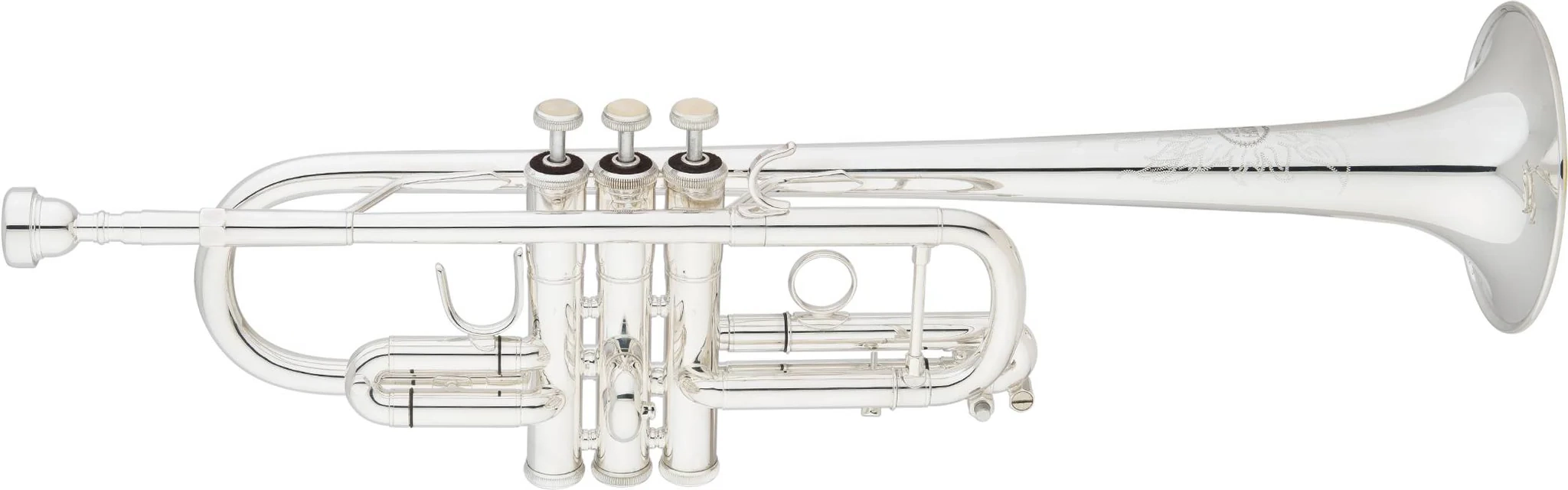
Trumpets feature three piston valves that require regular maintenance to ensure smooth operation and reliable response. The compact design of trumpets creates unique cleaning challenges while their frequent use in diverse musical contexts exposes them to various environmental conditions.
Piston Valve Maintenance Trumpet pistons operate within precisely machined valve casings that require careful cleaning and lubrication. Remove one valve at a time, clean thoroughly with appropriate cleaning solutions, and inspect for wear or damage. Apply valve oil sparingly but consistently to ensure smooth operation without over-lubrication that can attract debris.
Lead Pipe and Tuning Slide Care The trumpet's lead pipe requires particular attention due to its direct exposure to player moisture and breath condensation. Use appropriate cleaning tools to remove buildup while avoiding damage to the delicate inner surfaces. Tuning slides should move freely with appropriate slide grease application.
Water Key Maintenance Trumpet water keys (spit valves) require regular cleaning and adjustment to function properly. Clean the spring mechanism and cork or synthetic padding regularly, ensuring proper sealing that prevents air leaks while maintaining easy operation for moisture removal during performance.
Trombone-Specific Maintenance Procedures
Trombone maintenance focuses heavily on slide care, as the instrument's fundamental playing mechanism depends on smooth, unrestricted slide movement for proper intonation and technique execution.
Slide Cleaning and Lubrication The trombone slide represents the instrument's most critical and delicate component, requiring daily attention and weekly deep cleaning. Remove the slide assembly carefully, clean both inner and outer sections with appropriate cleaning materials, and apply slide lubricants according to manufacturer recommendations.
Slide Alignment and Adjustment Proper slide alignment ensures accurate intonation and smooth operation. Check slide alignment regularly and address any binding or resistance immediately to prevent permanent damage. Minor alignment issues often respond to careful adjustment, while major problems require professional repair services.
F-Trigger Maintenance (for Tenor Trombones with F-Attachment) Trombones equipped with F-triggers require additional maintenance attention for the rotary valve mechanism and additional tubing. Clean and lubricate the rotary valve regularly, and ensure all connecting linkages operate smoothly without binding or excessive play.
French Horn Considerations
While this guide focuses primarily on trumpets and trombones, French horn players face unique maintenance challenges due to their instruments' complex valve systems and extensive tubing networks.
Rotary Valve Care French horns typically use rotary valves rather than piston valves, requiring different lubrication and maintenance approaches. These mechanisms demand regular attention to prevent binding and ensure reliable operation during performance.
Professional Maintenance and Repair Services
Recognizing When Professional Service is Needed
While regular player maintenance handles most routine care requirements, certain situations require professional technician attention to prevent damage or restore optimal performance. Understanding when to seek professional help protects your investment while ensuring reliable instrument function.
Mechanical Issues Sticky valves that don't respond to cleaning and lubrication, binding trombone slides, or damaged water keys require professional diagnosis and repair. Attempting to force stuck mechanisms often causes additional damage that increases repair costs significantly.
Dent Removal and Body Work Dents in brass instrument tubing affect both appearance and acoustic performance, requiring specialized tools and techniques for proper removal. Professional dent removal preserves instrument value while restoring optimal acoustic characteristics.
Chemical Cleaning and Restoration Annual professional chemical cleaning removes accumulated deposits that player maintenance cannot address effectively. This deep cleaning process restores internal cleanliness while extending instrument life and maintaining optimal performance characteristics.
Maintenance Supplies and Equipment
Essential Cleaning Supplies
Building an effective maintenance kit requires quality cleaning supplies designed specifically for brass instruments. Avoid household cleaners or improvised tools that can damage delicate instrument finishes or mechanisms.
Cleaning Solutions Use brass instrument-specific cleaning solutions that effectively remove buildup without damaging finishes or internal surfaces. Different finishes require appropriate cleaning products, with silver-plated instruments needing different care than lacquered instruments.
Lubrication Products Quality valve oils and slide lubricants ensure smooth mechanism operation while protecting against wear and corrosion. Different playing conditions and climates may require different lubrication approaches for optimal results.
Cleaning Tools Invest in quality cleaning snakes, mouthpiece brushes, and polishing cloths designed for brass instrument maintenance. Proper tools make maintenance more effective while reducing the risk of scratching or damaging instrument surfaces.
Building Your Maintenance Kit
Basic Maintenance Kit Contents Every brass player should maintain a basic kit including valve oil, slide grease (for applicable instruments), cleaning snakes, mouthpiece brush, polishing cloth, and basic cleaning solutions. This kit handles routine maintenance while preventing most common problems.
Advanced Maintenance Supplies Serious players may invest in additional supplies including specialized cleaning solutions, multiple lubricant types for different conditions, and precision tools for detailed maintenance work.
Environmental Considerations and Storage
Climate Control and Instrument Storage
Environmental conditions significantly affect brass instrument condition and performance. Extreme temperatures, humidity fluctuations, and poor storage conditions can cause mechanical problems, finish damage, and acoustic changes that affect playability.
Temperature and Humidity Management Store brass instruments in stable environments that avoid extreme temperature swings and excessive humidity. Rapid temperature changes can cause condensation inside instruments while extreme humidity promotes corrosion and mechanical problems.
Case Care and Selection Quality instrument cases provide essential protection during storage and transport. Ensure case interiors remain clean and dry, replacing worn padding or damaged hardware that could allow instrument movement or damage during transport.
Travel and Performance Considerations
Pre-Performance Preparation Establish pre-performance routines that ensure your instrument operates reliably during musical performances. Check valve action, slide movement, and overall instrument condition before important performances or rehearsals.
Post-Performance Care Performance environments often expose instruments to dust, humidity, and temperature variations that require immediate attention. Clean instruments thoroughly after performances, particularly those in dusty or humid venues.
Educational Applications and Student Guidance
Teaching Maintenance to Young Players
Students learning brass instruments must develop proper maintenance habits early to protect their instruments while ensuring optimal learning conditions. Our guide on Best Band Instruments for Elementary and Middle School Students provides additional context for young musicians beginning their musical journey.
Age-Appropriate Maintenance Tasks Young students can learn basic maintenance procedures appropriate to their developmental level, gradually taking on more complex care tasks as they mature and develop responsibility for their instruments.
Parental Involvement and Support Parents play crucial roles in supporting student instrument maintenance, particularly during the early learning stages when students develop care habits and responsibility for expensive instruments.
Integration with Complete Musical Development
Maintenance as Musical Discipline
Proper instrument maintenance represents an extension of musical discipline that reinforces the dedication and attention to detail required for musical excellence. Students who learn thorough maintenance procedures often demonstrate similar attention to detail in their musical development and performance preparation.
Connection to Other Instruments While this guide focuses on brass instruments, understanding maintenance principles helps musicians appreciate the care requirements of other instrument families. For musicians interested in exploring woodwind instruments, our overview of Saxophone Family Overview: Soprano, Alto, Tenor, and Baritone Differences provides insight into different instrument care approaches.
Building Long-Term Instrument Relationships
Investment Protection and Value Preservation
Proper maintenance protects the significant financial investment that quality brass instruments represent while preserving their performance characteristics throughout years of musical use. Well-maintained instruments retain their value better while providing consistent performance that supports musical growth and achievement.
Supporting Your Musical Journey
Whether you're developing fundamental skills on student instruments or performing professionally on premium brass instruments, establishing proper maintenance routines ensures your instrument supports rather than hinders your musical goals and artistic expression.
Professional Support at Janzen Brothers
Understanding proper brass instrument maintenance empowers you to protect your investment while ensuring optimal performance throughout your musical journey. Whether you're caring for student instruments or maintaining professional-grade brass, these essential maintenance procedures support reliable performance and long-term instrument health.
Explore our comprehensive band instrument collection at Janzen Brothers to discover brass instruments that combine exceptional performance with maintainable design. Our experienced staff provides ongoing maintenance support and professional service that keeps your brass instruments performing at their peak while protecting your musical investment.
Your brass instrument deserves care that matches your musical dedication—develop maintenance habits that support both instrument longevity and musical excellence throughout your performance career.