JB Music Co. - 29 / Apr / 2025
Drum Shell Materials and Construction: How Wood Type Affects Your Sound

The foundation of every great drum sound begins with the shell material and construction method that shapes, amplifies, and colors the vibrations created when drumsticks strike drum heads. While many drummers focus primarily on heads, tuning, and playing technique when seeking their ideal sound, the drum shell represents the most fundamental component in determining an instrument's tonal character, projection capabilities, and overall sonic personality.
Understanding how different wood types and construction techniques affect drum sound enables informed purchasing decisions and helps drummers select instruments that naturally complement their musical style, playing environment, and tonal preferences. At Janzen Brothers, we recognize that shell material knowledge empowers drummers to make confident choices when building their ideal kit, whether selecting entry-level drums or investing in professional-grade instruments.
The relationship between wood characteristics and drum sound involves complex interactions of density, grain structure, resonance properties, and construction methods that combine to create each shell's unique sonic signature. By exploring these technical aspects alongside practical musical applications, drummers can develop the knowledge needed to select shells that support their artistic vision while providing the reliability and consistency required for serious musical performance.
The Science of Wood and Sound Production
How Wood Properties Influence Drum Tone
Wood selection fundamentally shapes drum sound through the material's density, porosity, grain structure, and resonance characteristics. Dense hardwoods typically produce focused, punchy tones with excellent projection and controlled sustain, while softer woods often generate warmer, more resonant sounds with longer natural decay and enhanced low-frequency response.
The cellular structure of different wood species creates varying degrees of sound absorption and reflection within the drum shell, directly affecting how vibrations travel through the material and interact with the surrounding air. This acoustic interaction determines whether drums sound bright and cutting or warm and woody, whether they project clearly in ensemble settings or blend smoothly with other instruments.
Grain Density and Tonal Characteristics Tight-grain woods like maple and birch produce clear, articulate tones with excellent note definition and controlled resonance, making them ideal for situations requiring precise rhythmic articulation and clear ensemble separation. Conversely, open-grain woods like mahogany and poplar create warmer, more diffuse tones that blend naturally with other instruments while providing rich harmonic content.
Resonance and Sustain Properties The natural resonance frequency of different wood types affects how drums respond to various playing dynamics and stick techniques. Woods with higher natural resonance frequencies tend to produce brighter, more immediate attack characteristics, while woods with lower resonance frequencies generate deeper, more sustained tones that develop complexity over time.
Construction Methods and Their Sonic Impact
Beyond wood selection, the method used to construct drum shells significantly influences the final sound character. Steam-bent shells, stave construction, and ply construction each create different structural characteristics that affect resonance, projection, and tonal balance in measurable ways.
Steam-Bent Construction Single-ply steam-bent shells preserve the wood's natural grain continuity, creating instruments with maximum resonance and complex harmonic content. This construction method allows the wood's natural characteristics to dominate the sound, producing drums with organic, musical tones that respond sensitively to playing dynamics and technique variations.
Multi-Ply Construction Layered plywood construction creates structurally stable shells that emphasize fundamental tones while controlling excessive resonance and sustain. Multi-ply shells typically produce focused, controlled sounds that record well and project clearly in live performance situations, making them popular choices for professional applications.
Popular Drum Shell Woods and Their Characteristics
Maple: The Professional Standard
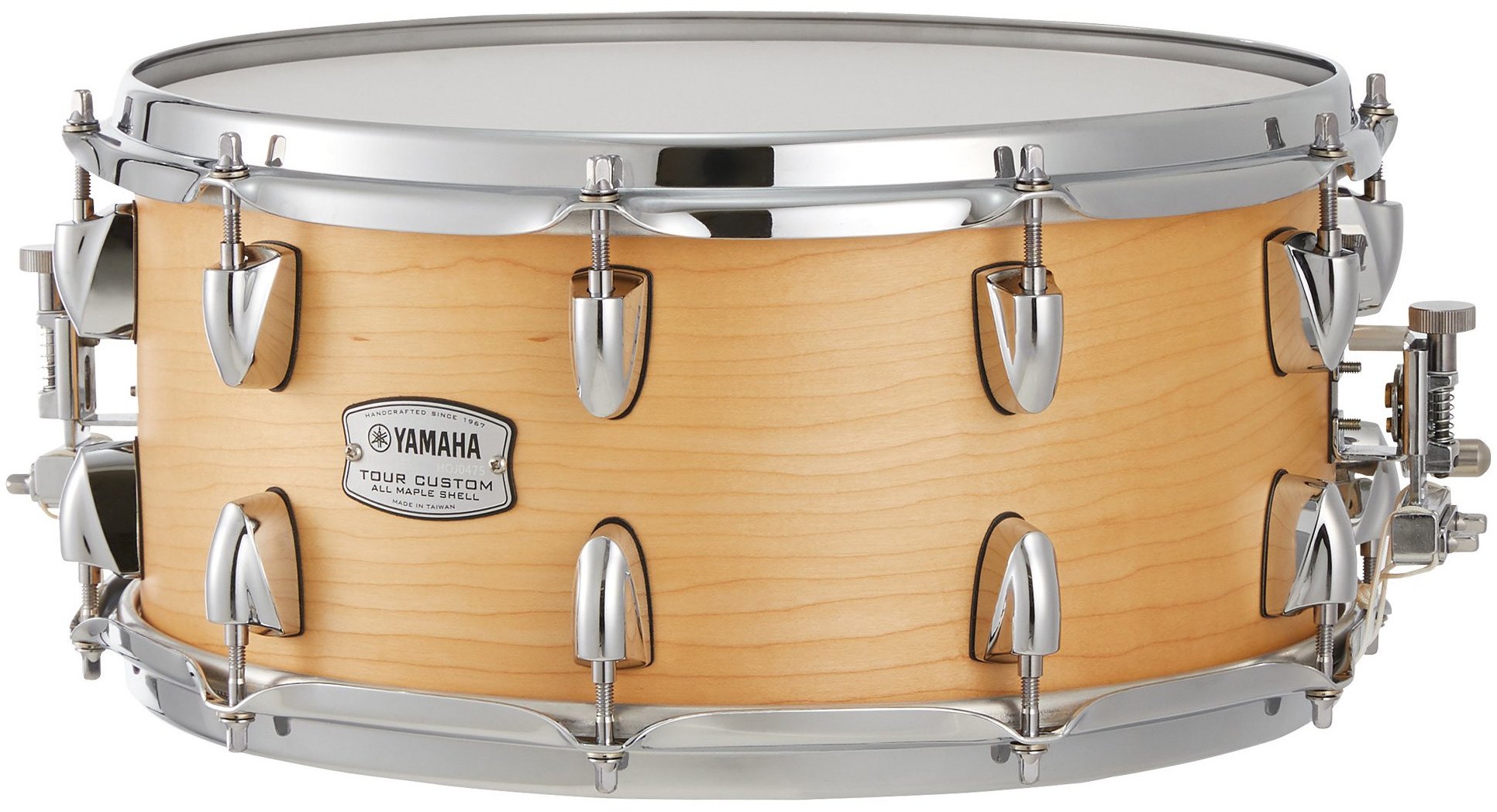
Maple has established itself as the premier choice for professional acoustic drum sets due to its exceptional balance of tonal characteristics, structural stability, and visual appeal. This North American hardwood provides clear, articulate sound with excellent projection capabilities and controlled resonance that works effectively across diverse musical genres.
Tonal Characteristics of Maple Maple drums produce bright, punchy attack with clear midrange definition and controlled low-end response. The wood's tight grain structure creates excellent note separation and rhythmic clarity, making maple drums ideal for recording applications and live performances where precise articulation is essential.
Maple's natural EQ curve emphasizes attack and presence while providing smooth, musical sustain that doesn't overwhelm ensemble arrangements. This balanced frequency response makes maple drums versatile instruments that adapt well to different musical styles, from jazz and rock to pop and contemporary music production.
Maple Construction Variations Different maple species and construction methods create subtle variations in sound character. Hard rock maple provides maximum brightness and projection, while softer maple varieties offer slightly warmer tones with enhanced low-frequency content. Multi-ply maple shells create focused, controlled sounds, while single-ply maple drums maximize resonance and harmonic complexity.
Birch: Power and Projection

Birch shells have gained popularity among rock and metal drummers for their aggressive attack characteristics and exceptional projection capabilities. This Scandinavian hardwood produces focused, punchy tones that cut through dense musical arrangements while providing the power and presence needed for high-energy performance styles.
Birch Sound Profile Birch drums emphasize attack and upper-midrange frequencies while providing controlled low-end response that remains tight and focused even at high volume levels. The wood's density creates excellent stick response and rebound characteristics that support rapid playing techniques and aggressive performance styles.
The natural compression characteristics of birch shells help control dynamic peaks while maintaining clarity and definition across all playing levels. This compression effect makes birch drums particularly effective for live performance situations where consistent output levels are important for sound reinforcement systems.
Birch Applications and Musical Styles Rock, metal, and contemporary pop drummers often prefer birch shells for their ability to deliver powerful, cutting tones that compete effectively with distorted guitars and electronic instruments. The wood's natural EQ characteristics complement modern recording techniques and sound reinforcement systems that emphasize clarity and punch over warmth and resonance.
Mahogany: Warmth and Vintage Character
Mahogany shells provide warm, woody tones that evoke vintage drum sounds from classic recording eras. This tropical hardwood emphasizes low and low-midrange frequencies while producing smooth, musical attack characteristics that blend naturally with acoustic instruments and vintage-style recordings.
Mahogany Tonal Qualities Mahogany drums produce deep, warm fundamental tones with rich harmonic content and natural compression that creates vintage-style drum sounds reminiscent of classic recordings from the 1960s and 1970s. The wood's open grain structure allows for complex resonance patterns that develop musical complexity over time.
The softer attack characteristics of mahogany drums make them ideal for jazz, blues, and vintage rock applications where musical blend and tonal warmth take precedence over aggressive projection and cutting power. These drums respond well to lighter playing dynamics and subtle technique variations.
Historical Significance and Musical Context Many legendary drum recordings feature mahogany shells, establishing the wood's reputation for classic drum tones that define entire musical eras. Contemporary drummers seeking authentic vintage sounds often choose mahogany shells for their ability to recreate historical drum tones without requiring expensive vintage instruments.
Basswood: Budget-Friendly Performance
Basswood shells provide entry-level drummers with good sound quality at affordable prices, making quality drum sounds accessible to beginning and intermediate players. This North American softwood offers balanced tonal characteristics that work well for learning and general musical applications.
Basswood Sound Characteristics Basswood drums produce warm, balanced tones with good fundamental response and moderate sustain characteristics. While not providing the refined qualities of premium hardwoods, basswood shells deliver musical drum sounds that support skill development and musical enjoyment for budget-conscious drummers.
The wood's forgiving tonal characteristics make basswood drums excellent choices for beginning drummers who are still developing their playing technique and musical preferences. These drums respond well to different tuning approaches and head selections, providing flexibility for experimentation and learning.
Alternative and Exotic Woods
Poplar and Lauan Budget-oriented drum manufacturers often use poplar and lauan woods to create affordable drums with acceptable sound quality for entry-level applications. These woods provide basic drum functionality while keeping costs manageable for students and casual players.
Exotic Wood Options Premium drum manufacturers occasionally offer shells made from exotic woods like cocobolo, ziricote, or figured maple that provide unique tonal characteristics and striking visual appeal. These specialty woods typically command premium prices while offering distinctive sounds for discriminating players.
Shell Thickness and Sonic Impact
Thin Shell Characteristics
Thin drum shells, typically measuring 4-6mm in thickness, maximize resonance and sustain while providing sensitive response to playing dynamics. These shells produce open, airy tones with complex harmonic content that responds dramatically to tuning changes and head selection.
Thin shells work particularly well for jazz, fusion, and acoustic music applications where musical sensitivity and tonal complexity are valued over raw power and projection. However, thin shells may require more careful handling and are potentially more susceptible to damage from aggressive playing styles.
Medium Shell Thickness
Medium-thickness shells (6-8mm) provide balanced performance characteristics that work well across diverse musical applications. These shells offer good resonance while maintaining structural stability and controlled sustain that adapts to various musical contexts.
Medium shells represent practical compromises between resonance and durability, making them popular choices for working drummers who need reliable instruments capable of handling different musical situations and playing demands.
Thick Shell Benefits
Thick shells (8-10mm+) emphasize fundamental tones while controlling excessive resonance and sustain. These shells produce focused, punchy sounds that record well and project clearly in live situations, making them popular for rock, pop, and contemporary music applications.
Thick shells provide maximum durability for touring and heavy playing while delivering consistent sound characteristics that remain stable across different environmental conditions and performance venues.
Specialized Drum Shell Applications
Snare Drum Shell Considerations
Snare drums require specific shell characteristics that emphasize crack and sensitivity while providing controlled resonance that complements snare wire response. Different wood types create distinct snare personalities, from the bright crack of maple to the warm growl of mahogany.
Understanding how shell materials interact with snare mechanisms helps drummers select snares that provide their desired balance of sensitivity, projection, and tonal character for different musical applications.
Tom-Tom Shell Selection
Tom-tom shells must provide good pitch definition across extended tuning ranges while maintaining consistent tonal characteristics from high to low drums within matched sets. Wood selection affects how toms blend together and how they integrate with snare and bass drum sounds.
Bass Drum Shell Properties
Bass drum shells require specific characteristics that emphasize low-frequency response while providing controlled resonance that doesn't overwhelm ensemble arrangements. Different wood types create varying bass drum personalities, from the tight punch of birch to the deep warmth of mahogany.
Integration with Other Drum Components
Shell and Head Interactions
Drum shells work in partnership with drum heads to create final drum sounds, with shell characteristics influencing how different head types perform on individual drums. Understanding these interactions helps drummers optimize their setups for specific musical applications.
Our comprehensive Drumhead Selection Guide: How Different Heads Transform Your Kit's Sound explores how head choices interact with shell materials to create desired tonal characteristics and playing responses.
Hardware Compatibility
Different shell materials work better with specific hardware types and mounting systems. Understanding these compatibility factors helps ensure optimal drum performance and longevity while preventing damage from inappropriate hardware choices.
Making Informed Shell Decisions
Matching Shells to Musical Goals
Selecting appropriate shell materials requires understanding your musical goals, performance requirements, and tonal preferences. Different wood types excel in specific musical contexts, and choosing shells that naturally complement your intended applications enhances musical satisfaction and performance effectiveness.
Consider your primary musical genres, typical performance venues, and recording requirements when evaluating shell options. Shells that work perfectly for intimate jazz performances may not provide adequate projection for rock concerts, while shells optimized for studio recording may not translate well to live performance situations.
Budget and Long-Term Considerations
Shell material choices significantly impact both initial instrument cost and long-term value retention. Premium woods like maple and birch typically cost more initially but often provide better sound quality and retain value better over time compared to budget wood options.
For guidance on balancing shell considerations with other drum selection factors, explore our detailed analysis in Electronic vs. Acoustic Drums: The Complete Buyer's Guide for Modern Drummers, which provides broader context for making informed drum purchasing decisions.
Discovering Your Ideal Shell Sound
Understanding drum shell materials and construction methods empowers you to select instruments that naturally complement your musical style while providing the reliability and consistency needed for serious musical performance. Whether you prefer the bright clarity of maple, the aggressive punch of birch, or the warm character of mahogany, choosing appropriate shell materials enhances your musical expression and playing satisfaction.
Explore our comprehensive drum collection at Janzen Brothers to experience how different shell materials translate into real-world sound differences. Our knowledgeable staff can guide you through shell comparisons and help you identify the wood types that best support your musical goals and playing style.
Your drum shells form the foundation of your sound—choose materials that inspire confidence and creativity while supporting your long-term musical development and artistic expression.