JB Music Co. - 21 / Apr / 2025
Drumhead Selection Guide: How Different Heads Transform Your Kit's Sound
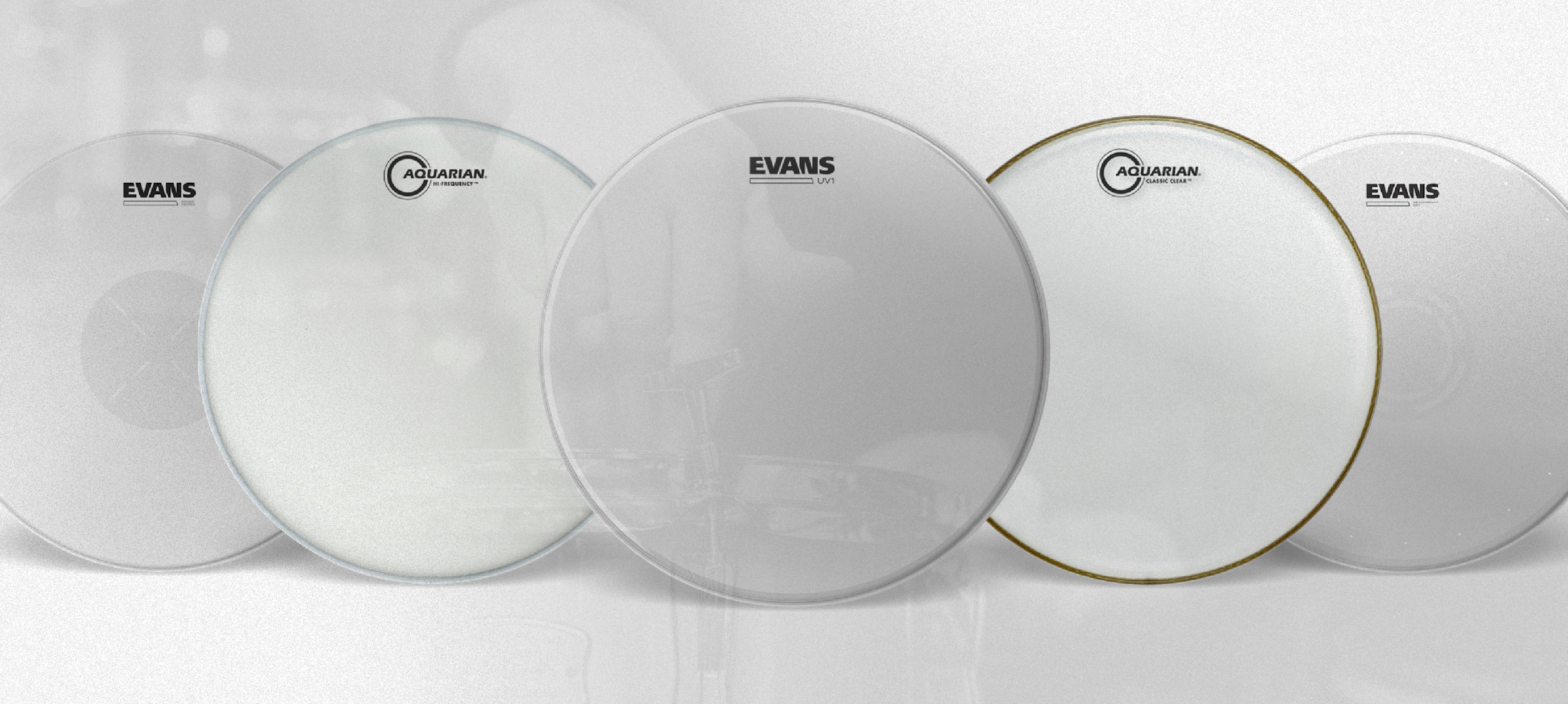
Among all the components that shape your drum kit's sonic character, drumheads wield perhaps the most immediate and dramatic influence over your sound. A simple head change can transform a dull, lifeless drum into a punchy powerhouse, convert an overly ringy tom into a controlled musical voice, or completely alter your snare drum's personality from crisp and cutting to warm and fat. Understanding how different drumhead constructions, materials, and designs affect your kit's sound empowers you to sculpt your ideal drum tone without purchasing new shells or expensive hardware upgrades.
At Janzen Brothers, we recognize that drumhead selection represents one of the most cost-effective ways to achieve dramatic sound improvements, making it essential knowledge for drummers at every skill level. Whether you're seeking vintage warmth, modern punch, controlled sustain, or explosive attack, the right drumhead combination can help you achieve your tonal goals while enhancing your playing experience and musical expression.
The relationship between drumheads and overall drum sound involves complex interactions between head construction, shell characteristics, tuning approach, and playing technique. By understanding these relationships systematically, you can make informed drumhead choices that complement your drum shells, support your musical style, and provide the reliability needed for consistent performance across different venues and recording situations.
Understanding Drumhead Construction Fundamentals
Single-Ply vs. Multi-Ply Construction
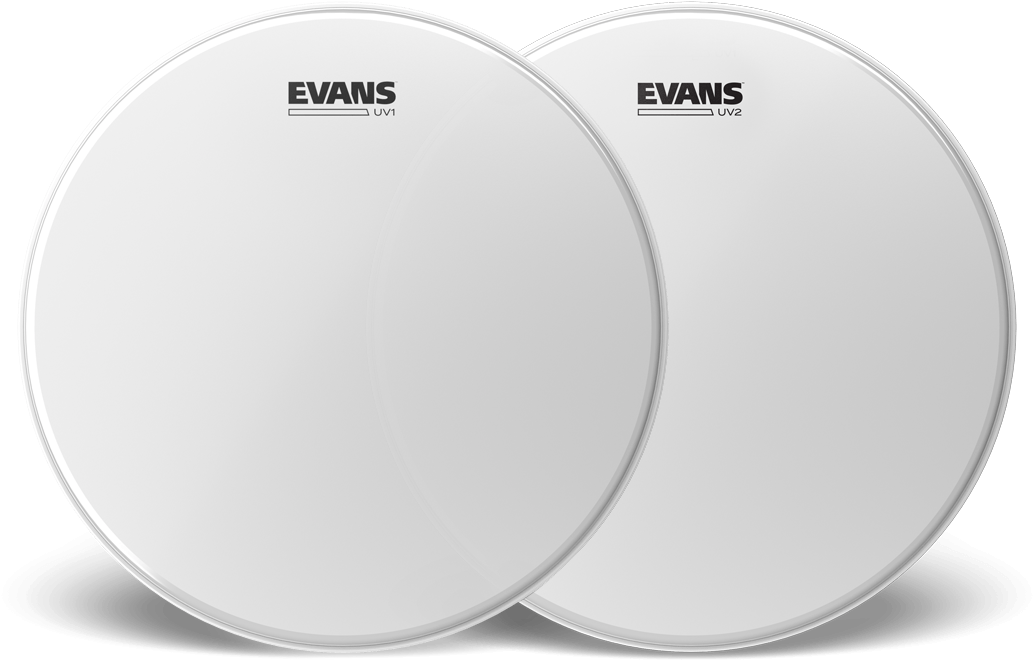
The number of plies (layers) in drumhead construction fundamentally affects tone, sustain, and durability characteristics. Single-ply heads typically provide maximum resonance and sensitivity, while multi-ply heads offer controlled sustain and enhanced durability for aggressive playing styles.
Single-Ply Characteristics Single-ply drumheads, usually measuring 7-10 mil in thickness, maximize drum shell resonance while providing sensitive response to playing dynamics and subtle technique variations. These heads allow the natural characteristics of your drum shells to dominate the sound, making them ideal for showcasing premium shell materials and construction quality.
Single-ply heads produce open, airy tones with complex harmonic content and natural sustain that responds dramatically to tuning changes. They work exceptionally well for jazz, blues, and acoustic music applications where musical sensitivity and tonal complexity are valued over raw power and projection.
Multi-Ply Advantages Double-ply heads (typically 7 mil + 7 mil) and heavier constructions provide controlled sustain, enhanced durability, and focused fundamental tones that work well in high-volume situations and contemporary music production. These heads emphasize attack and punch while controlling excessive ring and sustain.
Multi-ply construction creates natural compression effects that help even out playing dynamics while providing consistent tone across different stick velocities. This consistency makes multi-ply heads popular choices for recording applications and live performances where predictable sound characteristics are essential.
Coated vs. Clear Drumheads
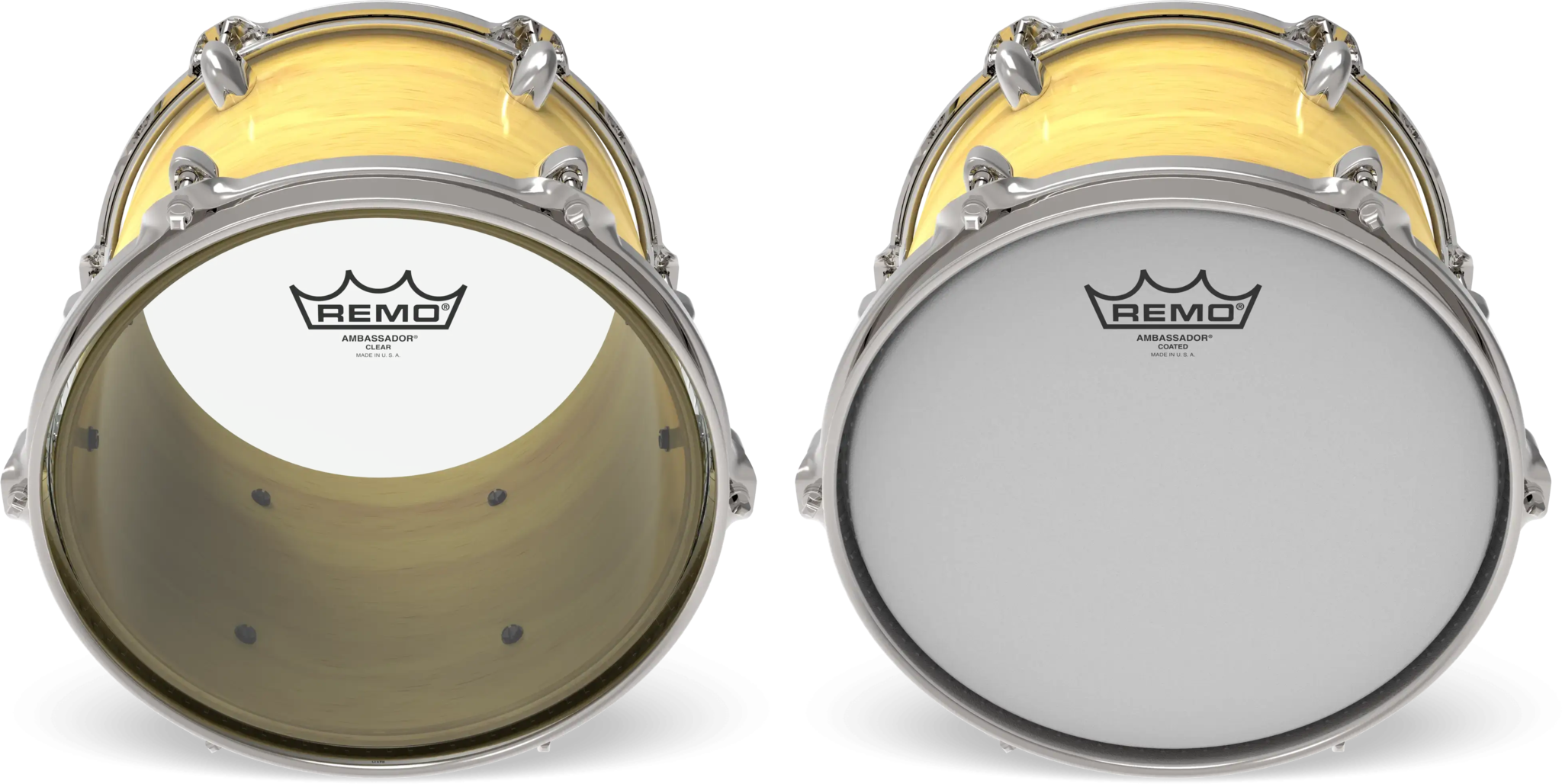
The surface treatment of drumheads significantly affects both sound and playing feel, with coated and clear heads offering distinctly different characteristics that suit different musical applications and aesthetic preferences.
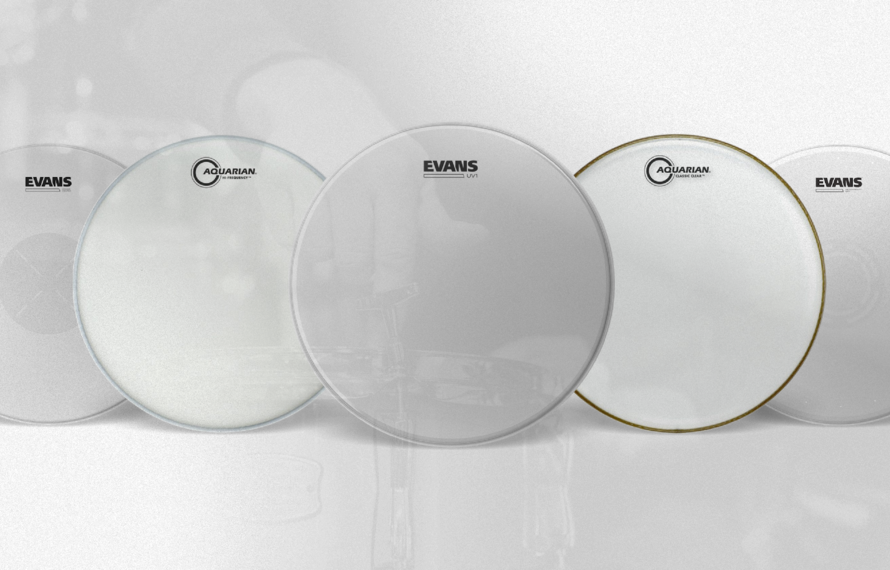
Coated Head Benefits Coated drumheads feature textured surfaces that reduce overtones while providing enhanced stick and brush response. The coating material adds mass to the head, resulting in warmer, more controlled tones with reduced sustain and enhanced fundamental focus.
Coated heads work particularly well for snare drums, where brush playing and controlled sustain are often desired. The textured surface provides excellent grip for brush techniques while the coating helps control excessive ring that can interfere with snare wire response.
Clear Head Characteristics Clear drumheads maximize brightness and sustain while providing the most direct transfer of shell characteristics to the final sound. These heads produce open, resonant tones with maximum harmonic content and natural projection.
Clear heads work excellently for toms where maximum resonance and pitch clarity are desired. They also suit recording applications where natural drum sound and shell character are priorities over tone control and sustain management.
Drumhead Applications by Drum Type
Snare Drum Head Selection
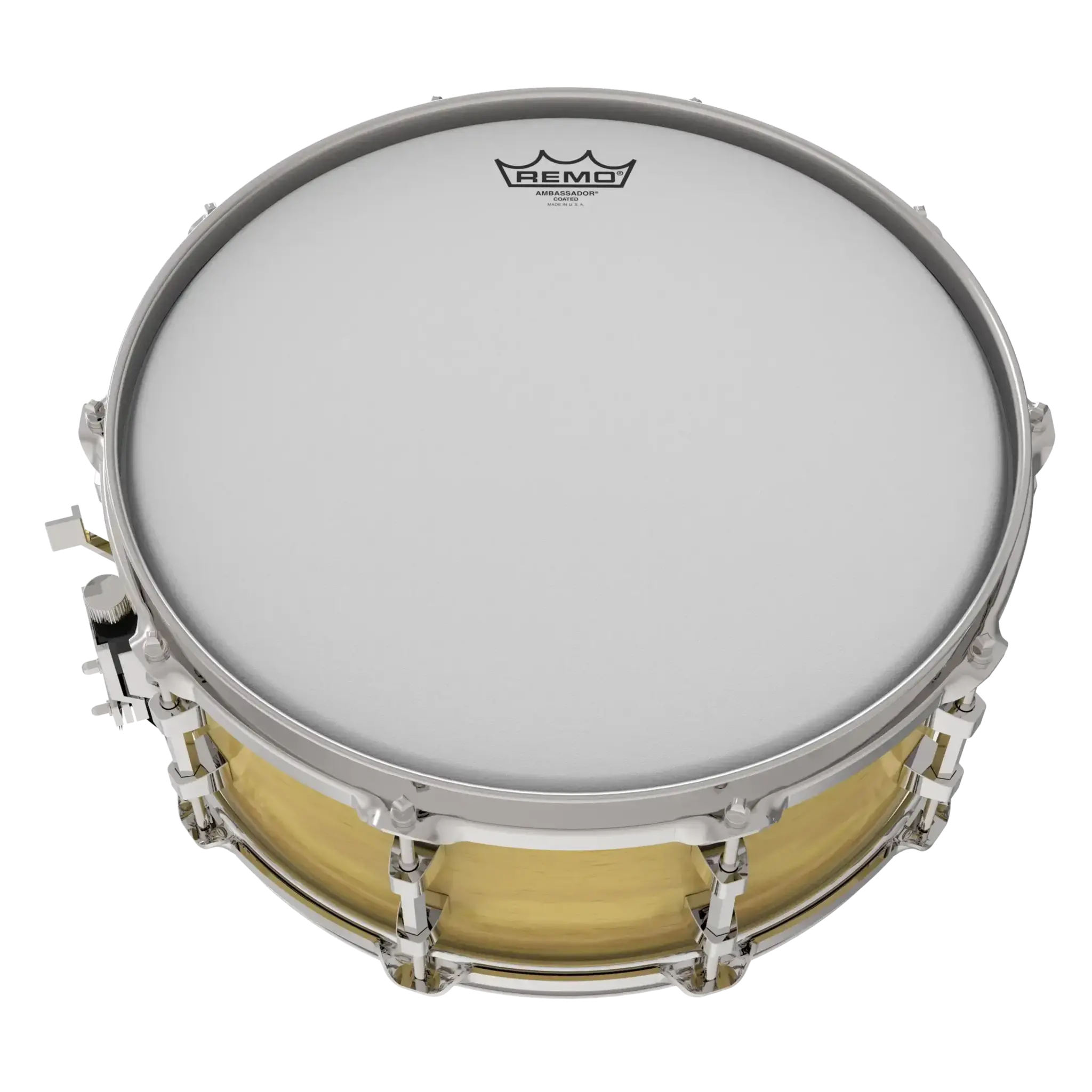
Snare drums require specific head characteristics that balance sensitivity, crack, and sustain control to optimize snare wire response and overall musical functionality. Different head types dramatically alter snare personality and suitability for various musical styles.
Batter Head Options for Snares Medium-weight coated heads (around 10 mil) provide excellent balance between sensitivity and durability for most snare applications. The coating enhances brush response while providing controlled sustain that doesn't interfere with snare wire clarity.
Single-ply coated heads maximize sensitivity and vintage character, ideal for jazz and acoustic music where subtle dynamics and brush techniques are important. These heads provide maximum snare wire response while producing warm, musical tones.
Double-ply heads work well for rock and pop applications where controlled sustain and enhanced durability are priorities. These heads can handle aggressive playing while providing focused crack that cuts through dense musical arrangements.
Snare Side Head Considerations Snare side (resonant) heads require thin, sensitive construction that responds quickly to snare wire vibrations. Most snare side heads measure 2-5 mil thickness, with thinner heads providing maximum sensitivity and thicker heads offering enhanced durability.
The choice between clear and coated snare side heads affects snare wire response and overall tone character. Clear heads maximize brightness and snare sensitivity, while coated heads provide slightly warmer tones with enhanced wire control.
Tom-Tom Head Selection
Tom-tom heads must provide good pitch definition across extended tuning ranges while maintaining consistent tonal characteristics that blend well within matched drum sets. Head selection affects how toms integrate with each other and with snare and bass drum sounds.
Tom Batter Head Options Clear single-ply heads work excellently for toms where maximum resonance and shell character are desired. These heads provide open, musical tones with excellent pitch clarity and natural sustain that works well for recording and acoustic musical styles.
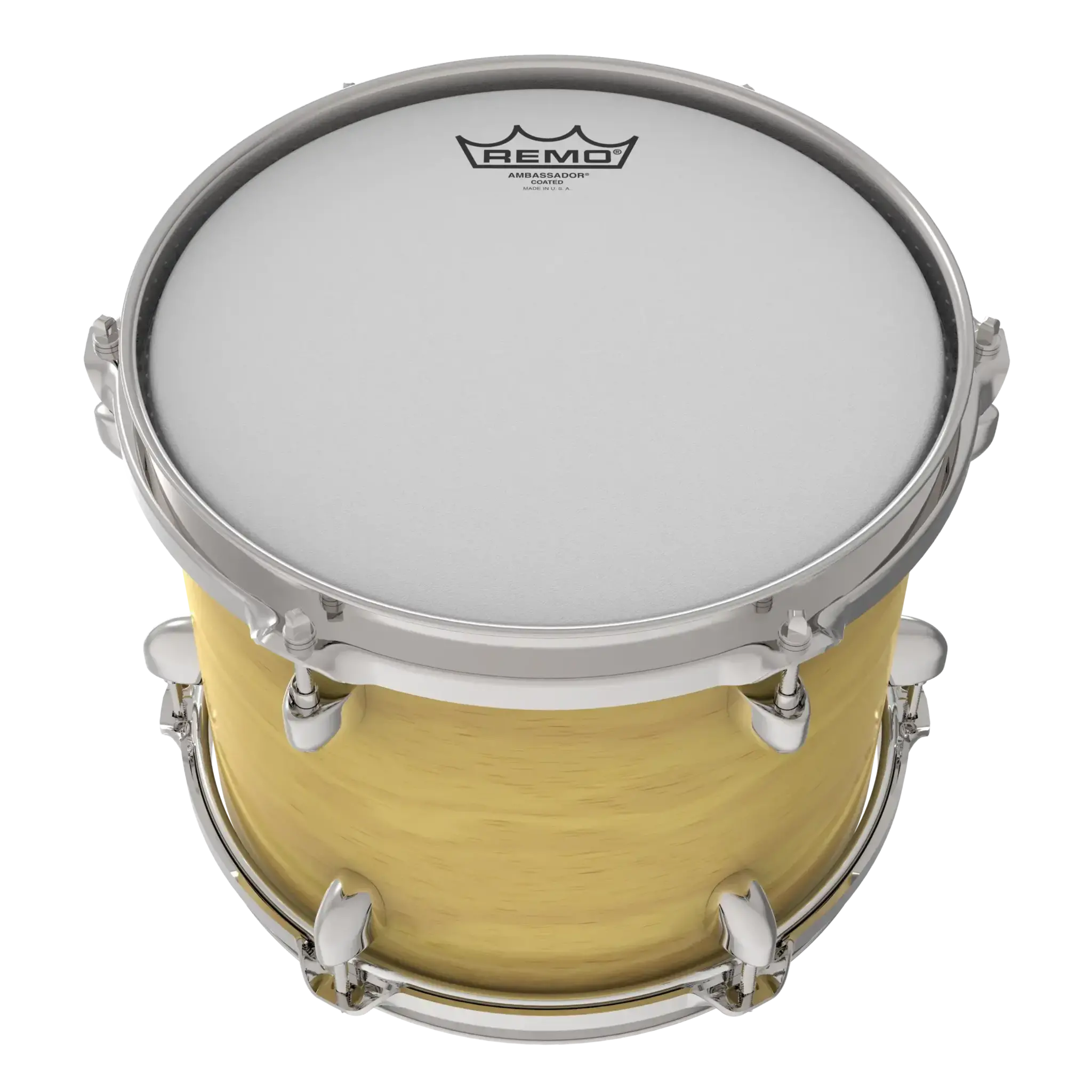
Coated single-ply heads offer slightly warmer tom tones with controlled sustain, making them versatile choices that work across multiple musical genres. The coating provides visual consistency when matched with coated snare heads.
Double-ply tom heads work well for rock and contemporary music where controlled sustain and enhanced attack are desired. These heads provide punchy, focused tom sounds that record well and project clearly in live situations.
Tom Resonant Head Selection Tom resonant heads significantly affect sustain, pitch clarity, and overall tonal balance. Clear resonant heads typically provide maximum resonance and pitch clarity, while coated heads offer slightly warmer tones with enhanced sustain control.
The thickness relationship between batter and resonant heads affects tom response and tuning characteristics. Matching head weights often provides balanced response, while using thinner resonant heads can enhance resonance and pitch clarity.
Bass Drum Head Considerations

Bass drum heads require specific characteristics that emphasize low-frequency response while providing controlled resonance that doesn't overwhelm ensemble arrangements. Different head types create varying bass drum personalities suitable for different musical contexts.
Bass Drum Batter Heads Single-ply bass drum heads provide maximum low-end response and natural sustain, creating deep, resonant bass drum tones that work well for jazz, blues, and acoustic music applications. These heads showcase shell characteristics while providing musical bass drum voices.
Double-ply bass drum heads offer controlled sustain and enhanced attack definition, making them popular for rock, pop, and contemporary music where precise bass drum articulation is important. These heads provide punchy, focused bass drum sounds that cut through dense arrangements.
Bass Drum Resonant Heads The choice between ported and unported bass drum resonant heads dramatically affects bass drum character and projection. Unported heads provide maximum resonance and sustain, while ported heads offer controlled sustain with enhanced attack definition.
Port size and placement affect bass drum tuning and microphone placement options for recording applications. Understanding these factors helps optimize bass drum sound for specific musical and technical requirements.
Specialty Drumhead Types and Applications
Hydraulic and Oil-Filled Heads
Hydraulic drumheads feature thin oil layers between two plies of film, creating unique damping characteristics that produce controlled, focused tones with minimal sustain. These heads gained popularity in the 1970s for their distinctive sound that worked well for disco and early electronic music.
Modern hydraulic heads provide extreme sustain control while maintaining good attack characteristics, making them useful for situations where ring control is essential but complete muffling is undesirable.
Pre-Muffled and Controlled Sound Heads
Many manufacturers offer drumheads with built-in muffling systems that provide controlled sustain without external damping accessories. These heads feature foam rings, gel patches, or other integrated damping materials that reduce overtones while maintaining fundamental response.
Pre-muffled heads work well for recording situations where quick setup and consistent results are important. They eliminate the need for external muffling while providing predictable sound characteristics.
Vintage and Specialty Materials
Some manufacturers offer drumheads made from alternative materials like calf skin, synthetic materials, or specialty films that provide unique tonal characteristics. These specialty heads often cater to specific musical styles or historical accuracy requirements.
Calfskin heads provide authentic vintage drum sounds but require specific care and maintenance procedures. Synthetic alternatives often provide similar tonal characteristics with enhanced durability and stability.
Drumhead Interaction with Shell Materials
Optimizing Head and Shell Combinations
Different drum shell materials work better with specific drumhead types, and understanding these relationships helps optimize overall drum sound. Bright shells like maple often benefit from warmer head choices, while warm shells like mahogany may work well with brighter head options.
The goal is achieving balanced overall drum sound that provides desired tonal characteristics while maintaining musical functionality across different playing situations and musical contexts.
Construction Method Considerations
Steam-bent shells often work well with single-ply heads that maximize shell resonance, while multi-ply shells may benefit from controlled head options that focus fundamental tones. Understanding these relationships helps optimize the investment in quality drum shells.
Maintenance and Longevity Factors
Head Replacement Timing
Recognizing when drum heads need replacement affects both sound quality and playing experience. Worn heads lose their tonal characteristics and tuning stability, making timely replacement essential for consistent performance.
Different head types wear at different rates depending on playing style, musical genre, and maintenance practices. Understanding these factors helps plan replacement schedules and budget for ongoing drumhead costs.
Storage and Care Considerations
Proper drumhead storage and care extends head life while maintaining optimal sound characteristics. Temperature and humidity control, proper tensioning, and careful handling all affect drumhead longevity and performance.
Integration with Complete Drum Systems
Coordinating with Hardware and Accessories
Drumhead selection should coordinate with other drum system components including hardware, muffling accessories, and recording equipment. Understanding these interactions helps create cohesive drum systems that work effectively across different applications.
Electronic vs. Acoustic Considerations
While this guide focuses on acoustic drum applications, understanding drumhead principles helps evaluate electronic drum systems that attempt to replicate acoustic drum feel and response. Our comprehensive analysis in Electronic vs. Acoustic Drums: The Complete Buyer's Guide for Modern Drummers explores how these principles apply to modern electronic drum systems.
Making Informed Drumhead Decisions
Matching Heads to Musical Goals
Selecting appropriate drumheads requires understanding your musical goals, typical performance situations, and desired tonal characteristics. Different head combinations excel in specific musical contexts, and choosing heads that naturally complement your intended applications enhances musical satisfaction.
Consider your primary musical genres, typical venues, and recording requirements when evaluating drumhead options. Heads that work perfectly for intimate jazz performances may not provide adequate projection for rock concerts, while heads optimized for studio recording may not translate well to live performance situations.
Budget and Experimentation Strategies
Drumhead experimentation represents an affordable way to explore different drum sounds and find combinations that work best for your specific needs. Starting with versatile medium-weight options and gradually experimenting with specialty heads helps develop understanding of how different characteristics affect your overall sound.
Building Your Ideal Sound
Understanding drumhead construction and application principles empowers you to build drum sounds that support your musical expression while providing the consistency and reliability needed for serious performance. Whether you prefer vintage warmth, modern attack, or controlled studio sounds, the right drumhead combination helps achieve your tonal goals.
Discovering Your Perfect Drumhead Setup
Drumheads represent the most immediate and cost-effective way to transform your drum sound, making drumhead knowledge essential for any serious drummer. Whether you're seeking to tame an overly ringy kit, add warmth to sterile-sounding drums, or achieve maximum projection for live performance, understanding how different head characteristics affect your sound enables confident decision-making.
Explore our comprehensive drum head collection at Janzen Brothers to experience how different head types can transform your acoustic drum set. Our knowledgeable staff can guide you through head comparisons and help you identify combinations that best support your musical goals and playing style.
Your drumheads are the interface between your technique and your drums' voice—choose options that inspire confidence and creativity while supporting your long-term musical development and artistic expression.