JB Music Co. - 06 / May / 2025
Electronic vs. Acoustic Drums: The Complete Buyer's Guide for Modern Drummers

The drumming landscape has evolved dramatically over the past few decades, with electronic drums transforming from novelty instruments into sophisticated systems that rival traditional acoustic kits in both playability and sound quality. Modern drummers face an exciting yet complex decision when choosing between electronic and acoustic drums, as both options offer distinct advantages that cater to different musical needs, living situations, and performance requirements.
This comprehensive buyer's guide explores the fundamental differences between electronic and acoustic drums, helping you make an informed decision based on your specific circumstances, musical goals, and budget considerations. Whether you're a beginner starting your rhythmic journey or a seasoned professional evaluating system upgrades, understanding the strengths and limitations of each drum type ensures you select instruments that support your musical vision while meeting practical requirements.
The choice between electronic and acoustic drums isn't simply about sound preference—it encompasses practice flexibility, recording capabilities, maintenance requirements, space considerations, and long-term musical development. By examining these factors systematically, you can identify which drum system aligns best with your individual needs and circumstances.
Understanding Acoustic Drums: The Traditional Foundation
The Authentic Acoustic Experience
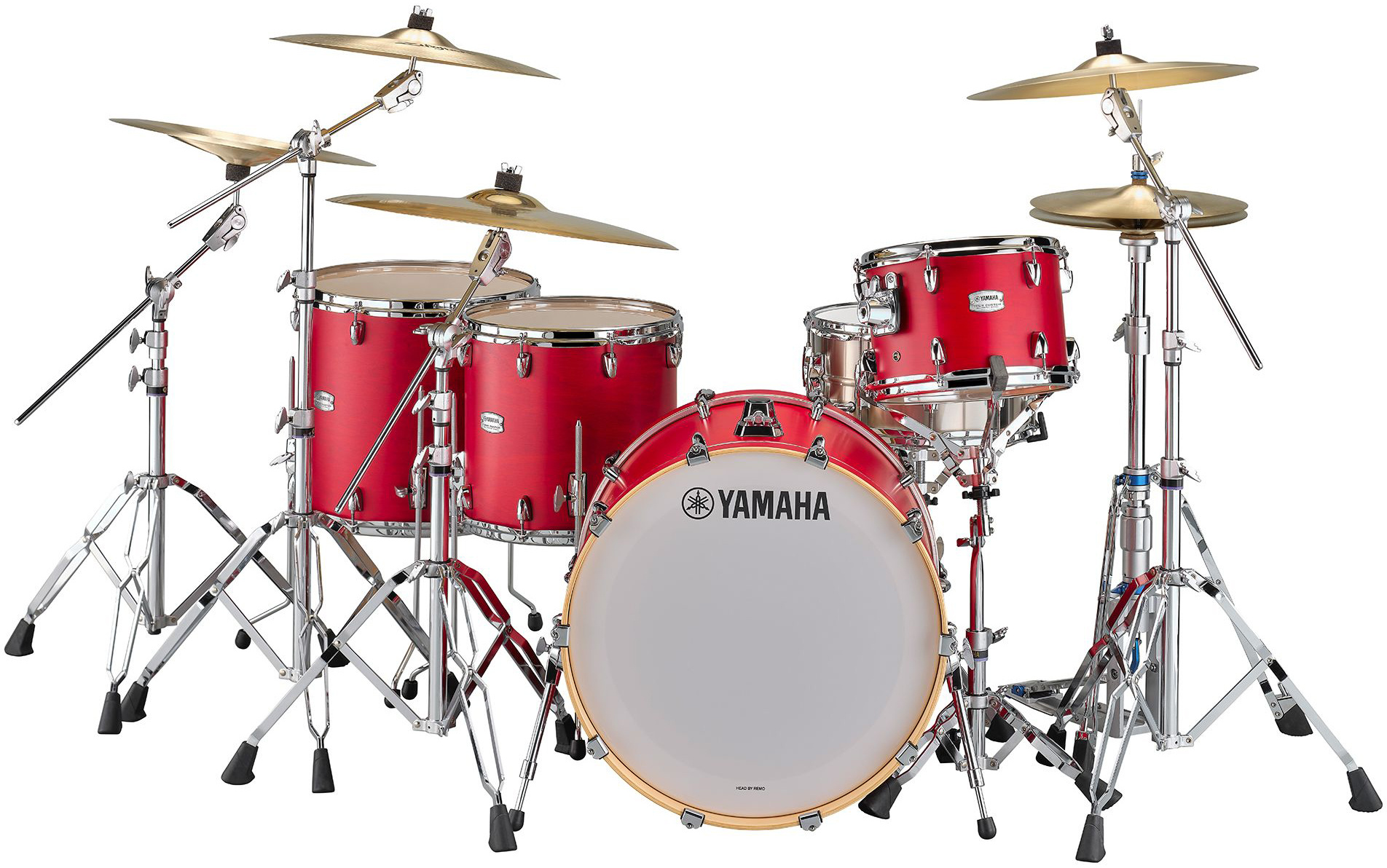
Acoustic drum sets represent the foundation of modern drumming, offering the organic sound production and tactile response that have driven popular music for over a century. These traditional instruments generate sound through physical vibration of drum shells, creating natural acoustic projection that fills rooms without amplification and provides the dynamic range that many musicians consider essential for authentic musical expression.
The physical act of striking acoustic drums creates complex harmonic interactions between drum shells, heads, and surrounding acoustic environments. This natural sound generation produces subtle tonal variations and dynamic nuances that respond directly to playing technique, stick selection, and performance energy. Many drummers find this immediate acoustic feedback essential for developing proper technique and musical sensitivity.
Advantages of Acoustic Drums
Unlimited Dynamic Range Acoustic drums offer virtually unlimited dynamic expression, from whisper-soft ghost notes to thunderous accents that can fill large venues without amplification. This natural dynamic range allows drummers to shape musical phrases organically, supporting ensemble interplay and solo expression that responds instantly to performance energy and musical context.
Natural Sound Production The organic resonance of acoustic drums creates complex overtone series and harmonic interactions that many musicians find irreplaceable. Each drum shell contributes unique tonal characteristics based on wood type, construction method, and tuning approach, creating personalized sounds that reflect individual musical preferences and playing styles.
Physical and Musical Authenticity Playing acoustic drums provides immediate tactile feedback that helps develop proper technique, timing, and musical sensitivity. The physical resistance and rebound characteristics of acoustic drums train muscle memory and coordination skills that translate directly to all drumming situations, making acoustic drums excellent educational tools for serious students.
No Technology Dependencies Acoustic drums require no power sources, digital interfaces, or electronic maintenance, making them reliable instruments for any performance situation. This technological independence eliminates concerns about equipment failures, software compatibility, or power availability that can complicate electronic drum usage.
Resale Value and Longevity Quality acoustic drums typically maintain their value well and can last decades with proper maintenance. Premium drum shells and hardware often appreciate in value over time, making acoustic drums sound financial investments for serious musicians.
Potential Drawbacks of Acoustic Drums
Volume and Noise Considerations The primary limitation of acoustic drums involves their inherent volume levels, which can create challenges in residential settings, apartment living, or situations requiring noise control. Even with muffling techniques and quieter drum heads, acoustic drums produce significant sound levels that may conflict with neighbor relationships or practice time restrictions.
Space and Portability Requirements Full acoustic drum sets require substantial space for setup and storage, making them challenging for musicians with limited living space or frequent transportation needs. The weight and bulk of acoustic drums can complicate rehearsal situations, live performances, and home storage arrangements.
Maintenance and Tuning Demands Acoustic drums require regular maintenance including head replacement, tuning adjustments, and hardware maintenance to maintain optimal performance. Environmental factors like humidity and temperature changes affect drum tuning stability, requiring ongoing attention to keep instruments performance-ready.
Exploring Electronic Drums: Modern Innovation and Flexibility
The Digital Drumming Revolution
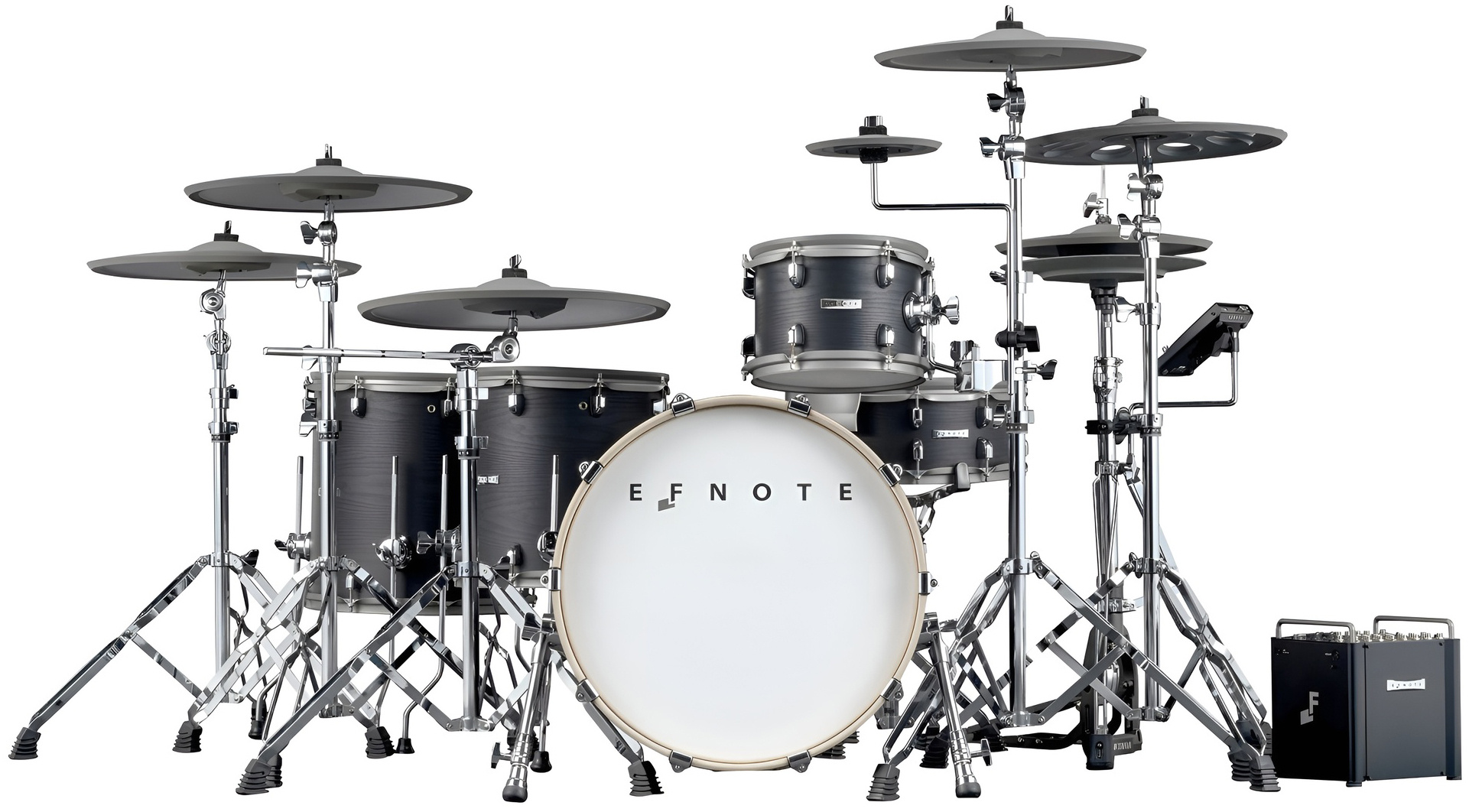
Electronic drum sets have evolved from basic practice tools into sophisticated musical instruments that offer unique capabilities unavailable with acoustic drums. Modern electronic drums feature advanced trigger technology, realistic playing surfaces, and comprehensive sound libraries that provide authentic drumming experiences while adding digital versatility and practice convenience.
Contemporary electronic drums utilize mesh heads, advanced rubber pads, and sophisticated cymbal triggers that closely replicate the feel and response of acoustic drums while enabling silent practice and digital sound production. High-end electronic drums now offer playing experiences that many professional drummers find virtually indistinguishable from acoustic instruments.
Advantages of Electronic Drums
Silent Practice Capabilities Electronic drums excel in situations requiring volume control, enabling practice sessions through headphones without disturbing others. This silent practice capability proves invaluable for apartment dwellers, late-night practitioners, and musicians in noise-sensitive environments where acoustic drums would be impractical or prohibited.
Unlimited Sound Libraries Electronic drum modules provide access to hundreds or thousands of drum sounds, from vintage acoustic samples to contemporary electronic percussion and exotic world instruments. This sound variety enables exploration of different musical styles and genres without purchasing additional acoustic drums or percussion instruments.
Recording and MIDI Integration Electronic drums integrate seamlessly with digital audio workstations, providing direct recording capabilities and MIDI connectivity that simplifies home studio production. This digital integration eliminates microphone placement concerns and acoustic treatment requirements while providing perfect isolation and professional recording quality.
Consistent Sound Output Electronic drums deliver consistent sound quality regardless of playing environment, room acoustics, or performance conditions. This consistency proves valuable for live performances where acoustic drum sound quality might vary significantly between venues or suffer from poor sound system integration.
Educational and Practice Features Many electronic drum modules include built-in metronomes, play-along tracks, coaching functions, and recording capabilities that enhance practice efficiency and skill development. These educational features provide structured learning environments that support technical development and musical growth.
Space Efficiency Electronic drums typically require less physical space than acoustic sets while offering comparable playing experiences. Compact electronic kits can fit in small apartments or practice rooms where full acoustic sets would be impossible to accommodate.
Potential Limitations of Electronic Drums
Technology Dependencies Electronic drums require power sources, digital modules, and potentially computer interfaces that can fail or become obsolete over time. Software updates, compatibility issues, and electronic component failures can interrupt playing sessions and require technical troubleshooting that acoustic drums never demand.
Playing Feel Differences Despite significant improvements, electronic drums may feel different from acoustic drums in subtle ways that affect playing technique or musical expression. Some drummers find that electronic drum responses don't perfectly replicate the complex rebound and resonance characteristics of acoustic instruments.
Initial Investment and Upgrade Costs Quality electronic drums often require higher initial investment than comparable acoustic sets, particularly when factoring in sound modules, amplification, and monitoring equipment. Additionally, electronic drums may require periodic upgrades to maintain compatibility with evolving technology standards.
Sound Quality and Musical Applications
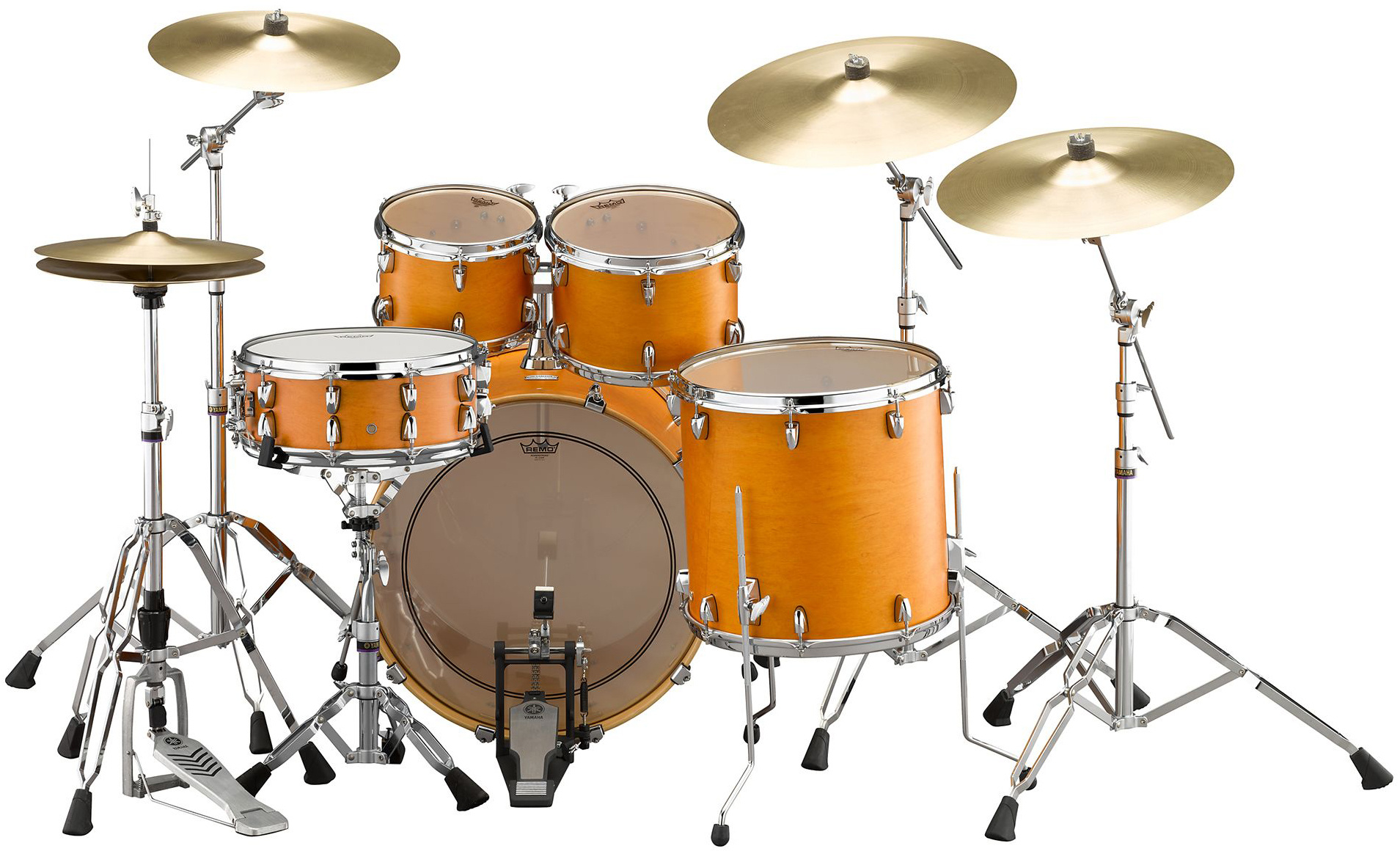
Acoustic Drum Sound Characteristics
Acoustic drums produce complex harmonic content that results from physical vibration of wood shells, metal hardware, and surrounding acoustic spaces. This natural sound generation creates organic tonal variations that respond to playing dynamics, stick selection, and tuning choices in ways that many musicians find essential for authentic musical expression.
The interaction between drum shells and room acoustics adds another dimension to acoustic drum sound that can enhance or detract from musical performances depending on acoustic environment quality. Understanding how different shell materials affect drum tone becomes crucial for acoustic drum selection, which our detailed guide on Drum Shell Materials and Construction: How Wood Type Affects Your Sound explores comprehensively.
Electronic Drum Sound Evolution
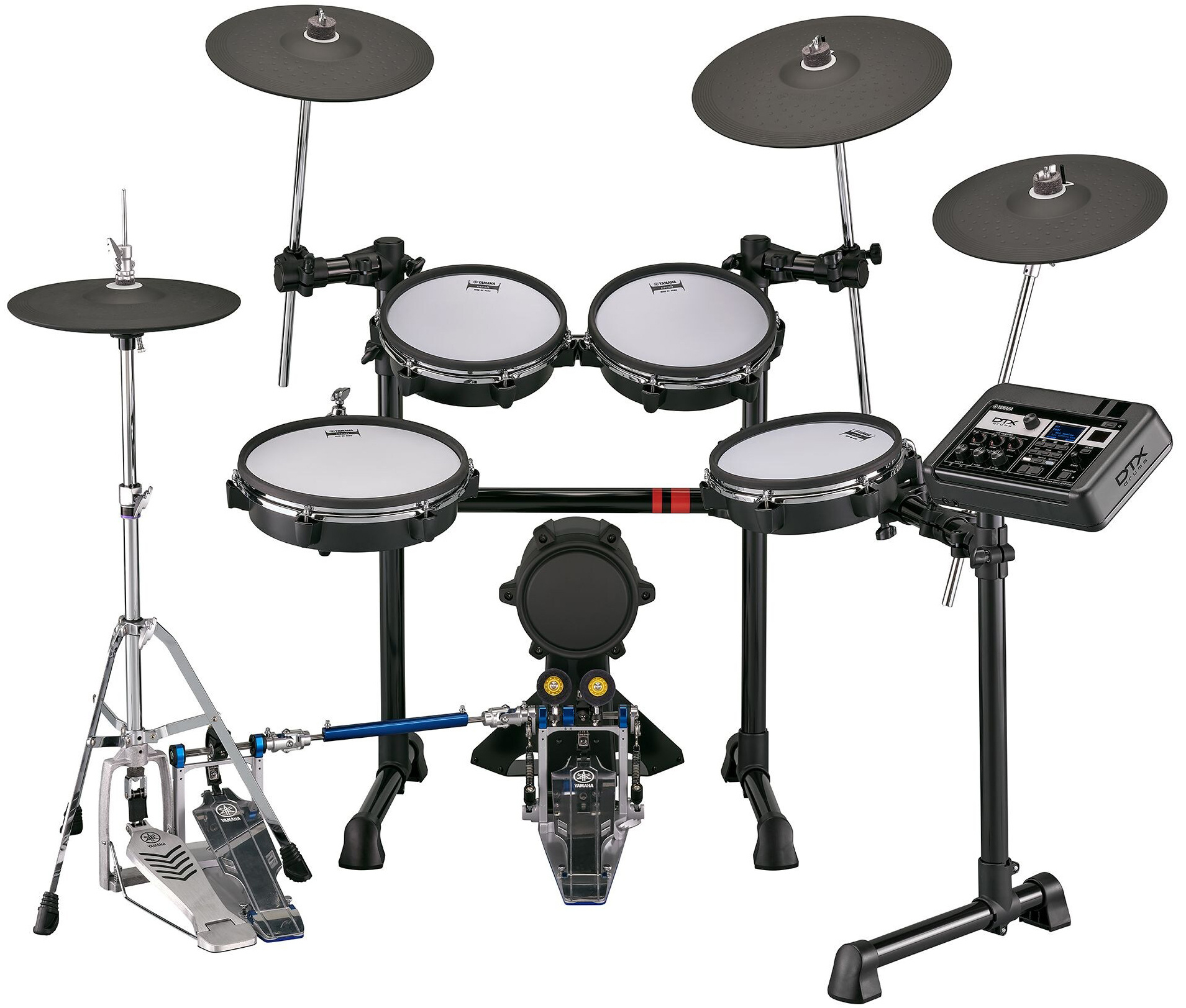
Modern electronic drums utilize high-quality samples recorded from premium acoustic drums in professional studios, often providing access to drum sounds that would be impossible to achieve with affordable acoustic sets. These samples capture the nuances of expensive vintage drums, rare instruments, and perfectly tuned studio kits that most drummers could never afford or access otherwise.
Advanced electronic drum modules also offer sound customization capabilities that extend far beyond acoustic drum possibilities, including pitch shifting, reverb effects, compression, and creative sound layering that opens new musical territories for adventurous drummers.
Practice and Learning Considerations
Acoustic Drums for Skill Development
Learning on acoustic drums provides immediate feedback about technique, timing, and musical dynamics that many instructors consider essential for proper skill development. The physical resistance and rebound characteristics of acoustic drums teach proper stick control and hand technique that translates directly to professional performance situations.
Acoustic drums also encourage development of internal timing and rhythmic skills without technological assistance, building fundamental musical abilities that remain valuable regardless of future equipment choices or performance contexts.
Electronic Drums for Modern Learning
Electronic drums excel in providing structured learning environments through built-in educational features, play-along tracks, and recording capabilities that facilitate skill development and practice efficiency. The ability to slow down tempos, loop difficult sections, and record practice sessions enhances learning effectiveness for many students.
Additionally, electronic drums enable exploration of diverse musical styles through extensive sound libraries, exposing developing drummers to rhythmic patterns and tonal possibilities from around the world without requiring expensive percussion collections.
Budget and Long-Term Value Considerations
Acoustic Drum Investment Analysis
Quality acoustic drums represent long-term investments that typically maintain their value well over decades of use. Premium drum shells, professionalcymbals, and quality hardware often appreciate in value, making acoustic drums sound financial choices for serious musicians.
However, acoustic drums require ongoing investment in drum heads, stick replacement, and periodic maintenance that adds to long-term ownership costs. Our comprehensive Drumhead Selection Guide: How Different Heads Transform Your Kit's Sound provides essential information about optimizing these ongoing investments.
Electronic Drum Financial Considerations
Electronic drums often require higher initial investment but may offer lower ongoing costs once purchased. The absence of drum head replacement, tuning maintenance, and stick wear (on electronic cymbals) can reduce long-term operating expenses significantly.
However, electronic drums face potential obsolescence as technology advances, and module upgrades or replacement may be necessary to maintain compatibility with evolving music production standards and software systems.
Hybrid Solutions and Alternative Approaches
Combining Acoustic and Electronic Elements
Many modern drummers adopt hybrid approaches that combine acoustic drums with electronic elements, trigger systems, or sample enhancement. These hybrid setups provide acoustic drum authenticity while adding electronic capabilities for specific applications or sound enhancement.
Hybrid systems can include acoustic drums with electronic triggers, acoustic drums supplemented with electronic drum pads, or electronic drums enhanced with acoustic cymbals and hardware for improved playing feel.
Practice Pad Solutions
For drummers requiring quiet practice solutions without full electronic drum investment, practice pads offer affordable alternatives that enable technique development without acoustic volume concerns. Quality practice pads provide realistic rebound characteristics while remaining completely silent for noise-sensitive environments.
Making Your Decision: Practical Recommendations
Choose Acoustic Drums If:
- Sound authenticity and organic tone quality are priorities
- You have adequate practice space and noise tolerance
- You prefer traditional drumming approaches and tactile feedback
- Long-term investment value is important
- You primarily perform in acoustic or traditional musical contexts
- Technology dependencies concern you
Choose Electronic Drums If:
- Silent practice capability is essential
- Space limitations restrict acoustic drum usage
- Recording and digital integration are priorities
- Sound variety and electronic capabilities appeal to you
- You're interested in modern music production techniques
- Consistent sound output across venues is valuable
Consider Hybrid Solutions If:
- You want benefits from both acoustic and electronic drums
- Your musical applications vary significantly
- You have budget and space for multiple drum systems
- You're interested in exploring diverse musical territories
Exploring Your Options at Janzen Brothers
The choice between electronic and acoustic drums ultimately depends on your individual circumstances, musical goals, and personal preferences. Both drum types offer unique advantages that can enhance your musical journey when properly matched to your specific needs and situation.
At Janzen Brothers, our comprehensive drum collection includes premium acoustic and electronic drum options alongside specialty percussion instruments, practice solutions, and hybrid system components. Our knowledgeable staff understands the nuances of both drum types and can provide personalized guidance based on your specific requirements, musical style, and long-term goals.
Whether you choose the organic authenticity of acoustic drums or the digital versatility of electronic systems, your decision should support consistent practice, musical growth, and creative expression. Visit our showroom to experience both drum types firsthand and discover which option resonates with your musical vision and practical needs.