JB Music Co. - 08 / Mar / 2025
Essential Digital Piano Features: What to Look for When Buying Your First Instrument
Purchasing your first digital piano represents a significant investment in your musical future, making it crucial to understand the essential features that separate quality instruments from budget alternatives. The digital piano market offers overwhelming choices, from basic entry-level models to sophisticated instruments that rival acoustic pianos in authenticity and expression. Understanding which features matter most for your musical development helps ensure your investment supports years of satisfying practice and performance while providing the reliability and functionality you need for sustained musical growth.
At Janzen Brothers, we recognize that first-time digital piano buyers face complex decisions involving technical specifications, budget considerations, and long-term musical goals. This comprehensive buyer's guide explores the essential features that define quality digital pianos, helping you identify instruments that offer the best value while supporting your specific learning objectives and performance requirements.
The features you prioritize when selecting your first digital piano will significantly impact your daily practice experience, musical development, and long-term satisfaction with your instrument. By understanding how different features affect playability, sound quality, and educational value, you can make informed decisions that provide lasting musical satisfaction while avoiding costly mistakes that might hinder your progress or require expensive upgrades.
Sound Quality and Piano Sampling: The Foundation of Musical Expression
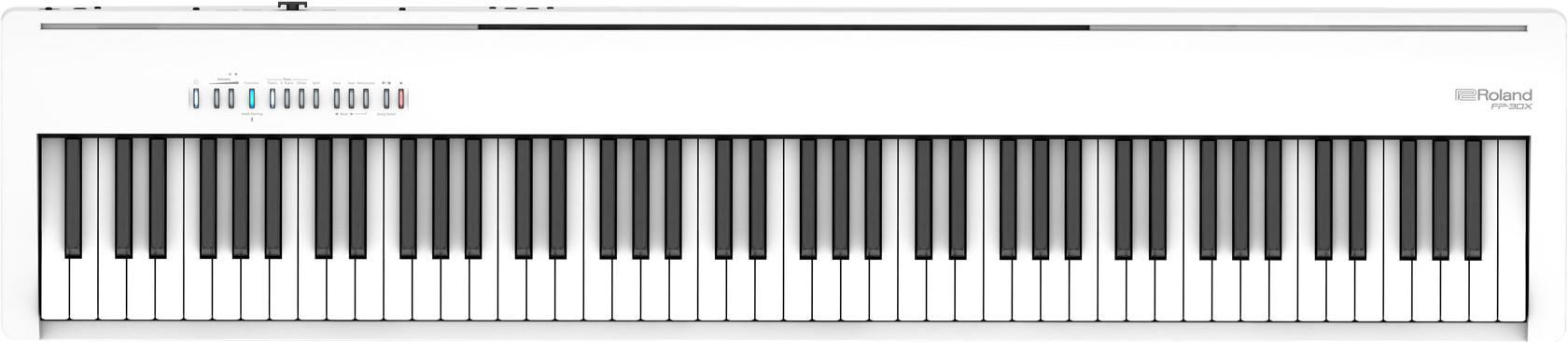
High-Quality Piano Samples and Sound Generation
The heart of any digital piano lies in its sound generation system, which determines how closely the instrument replicates the tonal characteristics, dynamic response, and harmonic complexity of acoustic pianos. Quality digital pianos feature premium piano samples recorded from concert grand pianos in professional studios, providing authentic piano tones that inspire musical expression while supporting serious practice and performance applications.
Multi-Sample Recording Technology Premium digital pianos employ multiple velocity layers that capture how acoustic piano tones change based on playing dynamics, from gentle pianissimo touches to powerful fortissimo strikes. This sophisticated sampling approach enables realistic dynamic expression that responds naturally to your playing technique while providing the tonal variety essential for advanced musical interpretation.
Advanced instruments feature separate samples for different playing techniques including soft pedal effects, string resonance, and sympathetic vibrations that occur naturally in acoustic pianos. These detailed recordings create more convincing piano experiences that support musical development while providing inspiring tonal possibilities.
Polyphony and Voice Allocation Polyphony refers to how many notes your digital piano can produce simultaneously, affecting performance in complex passages with sustained pedal usage and overlapping notes. Quality digital pianos typically offer 128-note polyphony or higher, ensuring notes won't cut off unexpectedly during demanding repertoire or when using the sustain pedal extensively.
Insufficient polyphony becomes noticeable during advanced playing, particularly in romantic and impressionistic repertoire that relies heavily on sustained harmonies and pedal effects. Investing in adequate polyphony prevents frustrating note dropouts that can interrupt musical flow and hinder practice effectiveness.
Sound Modeling and Acoustic Simulation
String Resonance and Harmonic Modeling Advanced digital pianos incorporate string resonance modeling that simulates how undamped strings vibrate sympathetically when other notes are played, creating the complex harmonic interactions found in acoustic pianos. This sophisticated technology adds depth and realism to the playing experience while providing the harmonic richness that advanced players expect.
Damper resonance modeling recreates the subtle tonal changes that occur when the sustain pedal is pressed, affecting not only note sustain but also the overall harmonic character of the instrument. These refinements contribute to more authentic playing experiences that support musical development and artistic expression.
Cabinet Resonance and Acoustic Modeling Premium digital pianos simulate cabinet resonance and acoustic interactions that contribute to the overall sound character of acoustic pianos. This modeling technology affects how notes blend and interact within the instrument's acoustic space, creating more convincing and musically satisfying playing experiences.
Key Action and Touch Response: Building Proper Technique
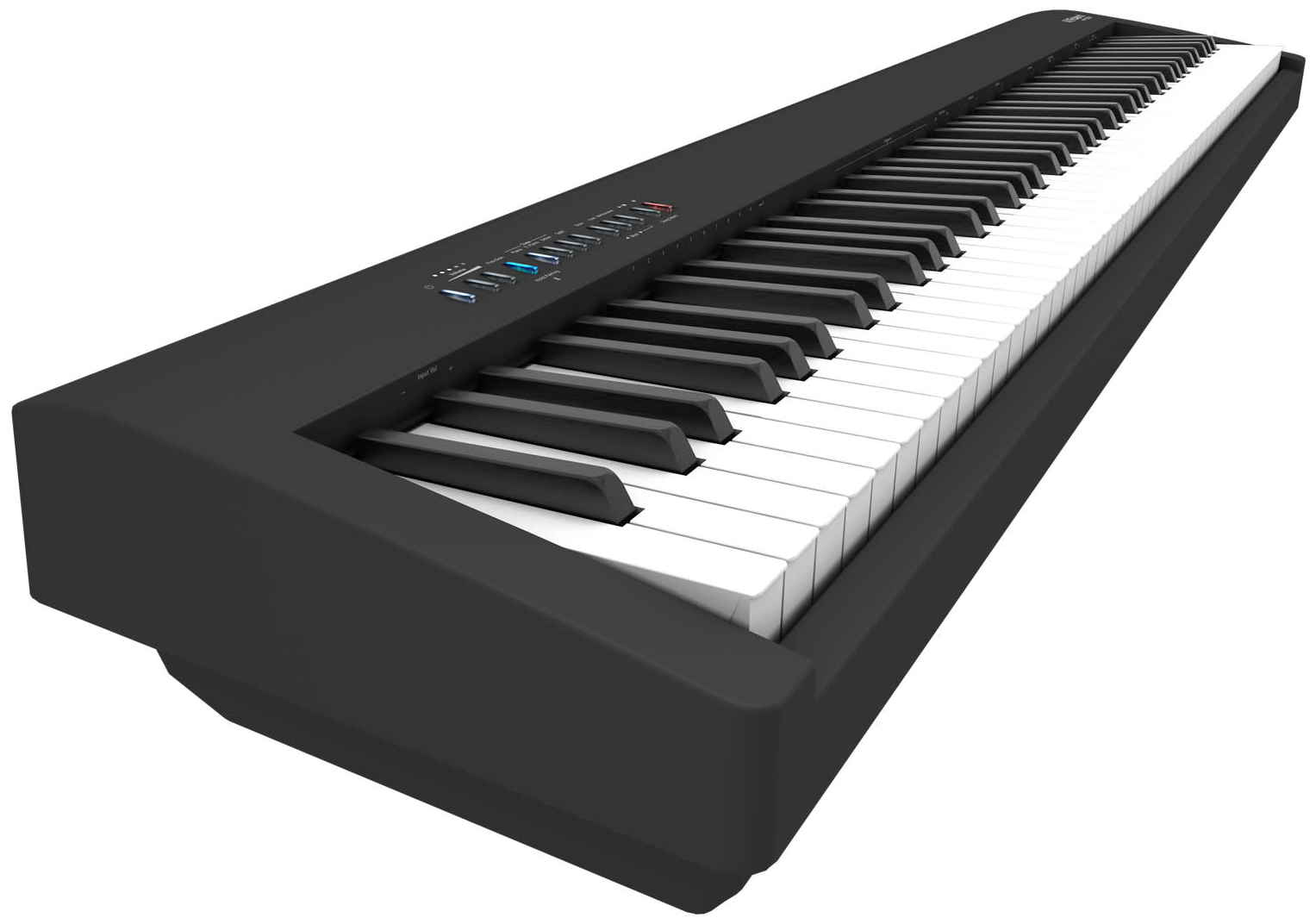
Weighted Key Action Systems
The key action mechanism fundamentally affects how your digital piano feels under your fingers, directly impacting technique development, musical expression, and long-term playing satisfaction. Quality digital pianos feature weighted key actions that simulate acoustic piano touch while providing the resistance and response characteristics essential for proper piano technique development.
Graded Hammer Action Premium digital pianos incorporate graded hammer action systems that replicate the varying resistance found across acoustic piano keyboards, with heavier feel in the bass register and lighter touch in the treble. This gradation creates familiar playing experiences that transfer directly to acoustic piano performance while supporting proper technique development.
Understanding different key action types helps inform your selection process, which our detailed guide on Piano Key Action Types Explained: Weighted, Semi-Weighted, and Synth Action Comparison explores comprehensively, providing essential information about how mechanical differences affect playing experience and musical development.
Touch Sensitivity and Dynamic Response Quality key actions provide sophisticated velocity sensitivity that translates subtle variations in playing dynamics into corresponding tonal changes, enabling expressive musical performance while supporting advanced technique development. This sensitivity should feel natural and responsive across all dynamic levels, from gentle pianissimo to powerful fortissimo playing.
Premium instruments offer adjustable touch sensitivity curves that accommodate different playing styles and preferences while maintaining authentic response characteristics that support musical expression and technique refinement.
Escapement and Advanced Touch Features
Escapement Simulation High-end digital pianos include escapement mechanisms that replicate the subtle tactile feedback experienced on acoustic pianos when keys are pressed slowly. While this feature might seem minor, it provides important tactile information that advanced pianists rely on for precise control and musical expression.
Escapement simulation helps bridge the gap between digital and acoustic piano playing experiences, enabling seamless transitions between instrument types while maintaining consistent technique and musical sensitivity.
Pedal Systems and Expressive Control
Sustain Pedal Functionality
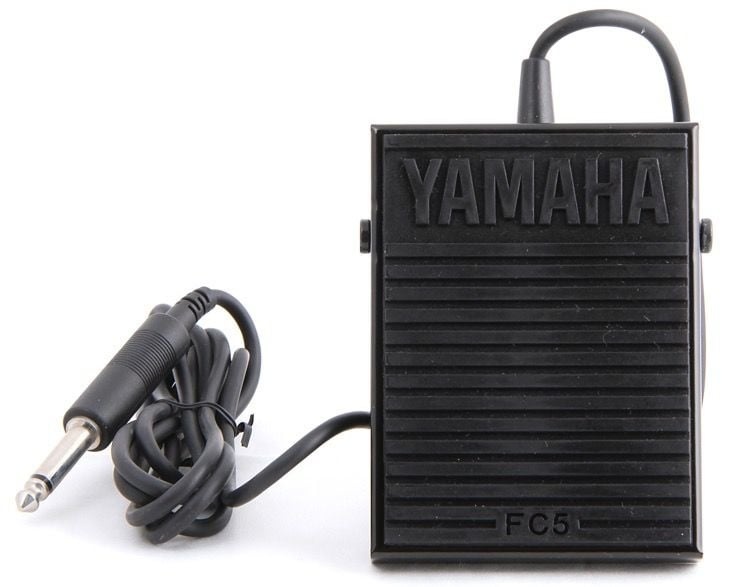
Half-Pedal Support Quality digital pianos support half-pedal techniques that enable graduated sustain control essential for advanced piano repertoire and sophisticated musical expression. This feature allows subtle pedal manipulations that create nuanced resonance effects and harmonic control impossible with simple on/off pedal operation.
Half-pedal support proves particularly important for romantic and impressionistic repertoire where sophisticated pedal techniques contribute significantly to musical interpretation and artistic expression.
Pedal Response and Authenticity The sustain pedal should feel substantial and responsive, providing tactile feedback that supports confident pedal technique while maintaining consistent operation during extended playing sessions. Quality pedals feature proper weight and resistance characteristics that feel similar to acoustic piano pedals.
Three-Pedal Systems
Soft Pedal (Una Corda) Function Advanced digital pianos include soft pedal functionality that authentically recreates the tonal changes produced by acoustic piano soft pedals, providing additional expressive tools for musical interpretation while supporting complete pedal technique development.
Sostenuto Pedal Capabilities Professional-level digital pianos often feature sostenuto pedal functionality that enables selective sustain of specific notes while leaving others unaffected. This advanced feature supports classical repertoire requirements while providing comprehensive pedal technique development opportunities.
Educational Features and Learning Support
Built-in Learning Tools
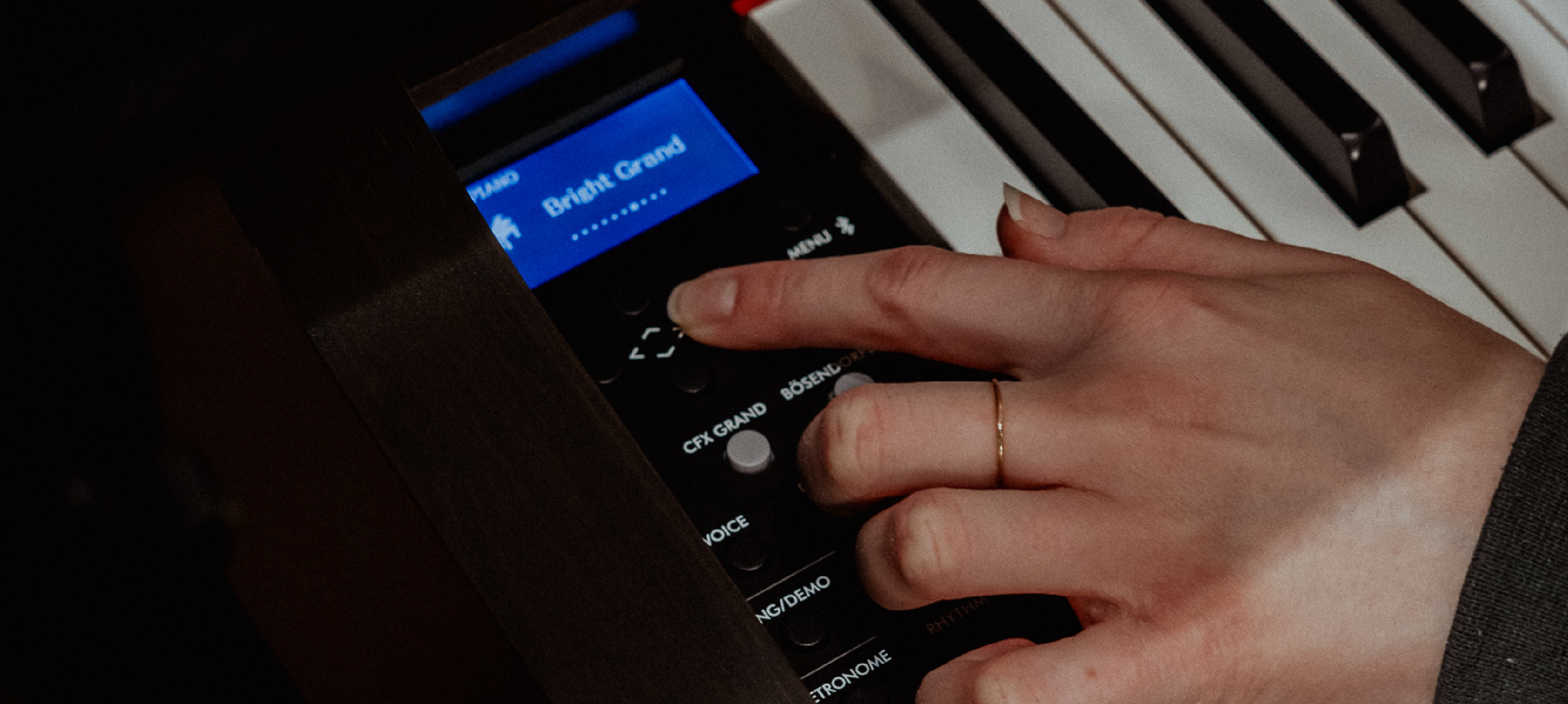
Metronome and Practice Functions Essential practice tools including built-in metronomes help develop steady rhythm and timing skills while providing adjustable tempos for progressive skill building. Quality metronomes offer various time signatures, rhythm patterns, and accent options that support diverse musical styles and technical development.
Some digital pianos include practice functions such as recording capabilities, lesson modes, and split keyboard features that enhance learning efficiency while providing motivational tools for consistent practice and skill development.
Lesson Integration and Educational Software Modern digital pianos increasingly feature connectivity options that integrate with educational software, online lesson platforms, and practice applications that enhance learning effectiveness while providing structured approaches to skill development and musical growth.
Recording and Playback Capabilities
Multi-Track Recording Basic recording capabilities enable students to record practice sessions, create simple arrangements, and analyze their playing for improvement opportunities. Multi-track recording allows separate recording of different hands or voices, supporting advanced practice techniques and musical arrangement exploration.
Recording features prove particularly valuable for self-assessment, progress tracking, and sharing musical achievements with teachers, family, and friends who provide encouragement and feedback during the learning process.
Connectivity and Modern Integration
Digital Audio and MIDI Connectivity
USB and Audio Outputs Modern digital pianos should include USB connectivity for computer integration, enabling recording, software instrument control, and access to educational applications that enhance learning and creativity. Audio outputs provide connection options for external speakers, headphones, and recording equipment.
Quality instruments offer multiple connectivity options including USB-to-host, USB-to-device, and traditional MIDI connections that support diverse musical applications and future expansion possibilities.
Headphone Outputs and Silent Practice Multiple headphone outputs enable silent practice while allowing teachers or practice partners to listen simultaneously, supporting effective lesson delivery and practice supervision without disturbing others.
Quality headphone outputs should provide sufficient power to drive professional headphones while maintaining sound quality and dynamic range that supports serious practice and musical development.
Integration with Music Technology
Software Compatibility Digital pianos should integrate smoothly with popular music software including digital audio workstations, educational applications, and virtual instrument libraries that expand creative possibilities while supporting modern music education approaches.
Understanding how digital pianos relate to other keyboard types helps inform broader musical technology decisions, which our comprehensive guide Digital Piano vs. Portable Keyboard: Which is Right for Your Musical Journey? explores thoroughly.
Physical Design and Construction Quality
Cabinet Styles and Space Considerations
Console vs. Portable Design Digital pianos offer various physical configurations from traditional console designs that replicate acoustic piano furniture to portable models that provide flexibility for smaller spaces and occasional transport needs.
Console digital pianos typically offer enhanced speaker systems, larger key actions, and traditional piano aesthetics that create dedicated musical spaces while providing substantial, furniture-quality construction.
Build Quality and Durability Quality construction affects both instrument longevity and daily playing experience, with solid build quality providing stable platforms for technique development while ensuring reliable operation throughout years of regular use.
Premium instruments feature robust key mechanisms, substantial cabinets, and quality materials that withstand intensive practice while maintaining consistent performance characteristics and aesthetic appeal.
Speaker Systems and Amplification
Internal Speaker Quality Quality digital pianos feature sophisticated speaker systems that accurately reproduce piano samples while providing sufficient power and frequency response for satisfying home practice and small performance applications.
Multi-speaker configurations including separate woofers and tweeters create more convincing acoustic piano simulation while providing adequate volume for ensemble playing and group instruction without external amplification.
Essential Accessories and Setup Considerations
Bench and Stand Requirements
Proper keyboard stands and benches ensure optimal playing positions that support technique development while preventing fatigue and injury during extended practice sessions. Quality benches provide adjustable height and comfortable seating that accommodates players of different sizes.
Matching furniture stands and benches enhance the visual appeal of console digital pianos while providing stable, permanent installation that creates dedicated practice spaces encouraging consistent musical engagement.
Additional Accessories and Expansion
Quality keyboard accessories including music stands, lamp attachments, and storage solutions enhance the practice experience while providing organizational tools that support effective learning and musical development.
Understanding accessory requirements helps budget for complete setup costs while ensuring optimal functionality and comfort for daily practice and musical engagement.
Budget Considerations and Value Assessment
Feature Prioritization
Essential vs. Luxury Features Understanding which features provide essential functionality versus luxury enhancements helps optimize budget allocation while ensuring adequate capability for musical development and long-term satisfaction.
Core features including quality key action, authentic piano sounds, and reliable construction should take priority over advanced features that might not immediately benefit beginning and intermediate players.
Long-Term Value and Upgrade Paths Quality digital pianos typically provide better long-term value through superior durability, consistent performance, and retained capability that eliminates early upgrade needs while supporting extended musical development.
Understanding how features relate to musical growth helps ensure instrument selections that remain satisfying and capable throughout advancing skill levels and expanding musical interests.
Investment Protection and Resale Value
Brand Reputation and Market Acceptance Established digital piano manufacturers typically offer better resale value, service support, and product reliability that protects initial investments while providing confidence in long-term ownership satisfaction.
Quality instruments from reputable manufacturers often maintain better resale value while providing access to service networks and replacement parts that support extended ownership and reliable operation.
Making Your First Digital Piano Decision
Assessment and Testing Process
Selecting your first digital piano requires careful evaluation of features, budget constraints, and musical goals that affect both immediate satisfaction and long-term musical development. Hands-on testing provides essential information about key feel, sound quality, and feature usability that specifications alone cannot convey.
Extended testing during different times of day and in various playing scenarios helps identify instruments that consistently satisfy while revealing potential limitations or compatibility issues that might affect long-term ownership satisfaction.
Professional Guidance and Support
Music teachers, experienced players, and knowledgeable retailers provide valuable insights about feature importance, brand reliability, and model selection that help ensure successful first digital piano purchases.
Professional guidance helps balance feature desires with budget realities while identifying instruments that best support specific musical goals and learning approaches that enhance educational effectiveness and playing satisfaction.
Discovering Your Ideal First Digital Piano
Understanding essential digital piano features empowers you to make informed purchasing decisions that support your musical development while providing years of satisfying practice and performance. The features you prioritize should align with your musical goals, budget constraints, and learning style while providing room for growth as your skills and interests evolve.
Explore our comprehensive digital piano collection at Janzen Brothers to experience essential features firsthand while receiving expert guidance from our knowledgeable staff. Whether you're seeking basic functionality for beginning study or advanced features for serious musical development, we provide the expertise and selection needed to find your perfect first digital piano.
Your first digital piano should inspire daily practice while supporting long-term musical growth—choose an instrument that combines essential features with reliable quality, creating the foundation for years of musical enjoyment and artistic development.