JB Music Co. - 20 / May / 2025
From Campfire to Concert Hall: Matching Guitar Styles to Canadian Musical Traditions
Canada's musical heritage spans from intimate Indigenous ceremonies to grand symphony halls, from Maritime kitchen parties to Prairie folk festivals, and from Quebecois folk traditions to contemporary indie rock scenes. This rich tapestry of musical expression has created unique opportunities for guitarists to explore diverse styles and techniques that reflect our nation's cultural diversity. Understanding how different guitar types complement Canadian musical traditions can help musicians make informed instrument choices while honoring the authentic sounds that define our musical identity.
The guitar's versatility makes it perfectly suited to Canada's musical landscape, where traditional folk songs share stages with contemporary compositions, and where intimate storytelling traditions meet modern production techniques. Whether you're preserving ancestral melodies or creating tomorrow's Canadian classics, selecting the right guitar style enhances your ability to connect with audiences and express cultural narratives authentically.
The Foundation of Canadian Folk: Acoustic Guitar Traditions
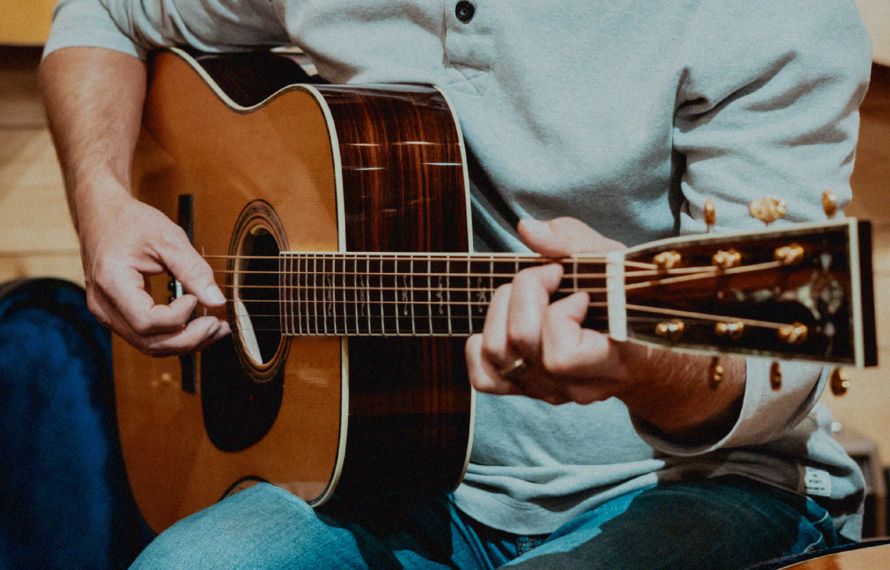
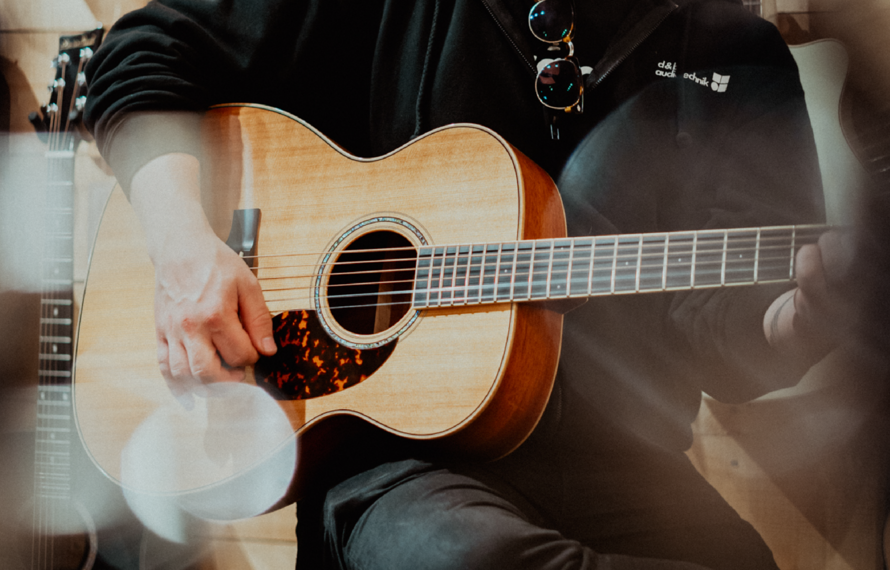
Maritime Musical Heritage The Maritime provinces have cultivated some of Canada's most enduring musical traditions, where acoustic guitars serve as the backbone of countless folk songs, sea shanties, and kitchen party celebrations. The steel-string acoustic guitar's projection and warmth perfectly complement the storytelling nature of Maritime music, where lyrics carry equal weight with melody.
Traditional Nova Scotian and Newfoundland folk music relies heavily on the acoustic guitar's natural resonance to fill community halls and outdoor gatherings without amplification. The guitar's ability to provide both rhythmic strumming and melodic fingerpicking makes it ideal for solo performers who must captivate audiences through voice and single instrument alone.
Prairie Folk and Country Traditions Across the Canadian Prairies, acoustic guitars have accompanied generations of folk singers, country musicians, and singer-songwriters who chronicle rural life, agricultural challenges, and the vast landscape's emotional impact. The dreadnought body style, with its powerful bass response and clear treble definition, became particularly popular among Prairie musicians for its ability to cut through outdoor festival environments and large venue acoustics.
Artists like Ian Tyson and Corb Lund have demonstrated how acoustic guitars perfectly capture the authentic sound of Western Canadian country music, where honest storytelling meets skilled musicianship. The acoustic guitar's organic tone quality resonates with audiences seeking genuine musical experiences rooted in Canadian rural traditions.
Indigenous Musical Connections While many Indigenous musical traditions predate the guitar's arrival in North America, contemporary Indigenous artists have masterfully incorporated acoustic guitars into ceremonial music, protest songs, and cultural preservation efforts. The acoustic guitar's portable nature and intuitive playing style have made it accessible to Indigenous communities across Canada, supporting both traditional music preservation and contemporary artistic expression.
The guitar's ability to accompany traditional drum patterns and vocal styles has created unique fusion opportunities that honour ancestral traditions while embracing modern musical tools. This cultural adaptation demonstrates the acoustic guitar's flexibility in supporting diverse musical expressions within Canadian Indigenous communities.
Quebec's Musical Identity: Classical and Folk Fusion
Quebecois Folk Traditions Quebec's distinct cultural identity has produced unique guitar applications that blend French folk traditions with North American influences. The province's rich chanson tradition often features classical guitars alongside steel-string acoustics, creating sophisticated harmonic textures that support complex vocal arrangements and poetic lyrics.
Classical guitars, with their nylon strings and fingerstyle-friendly neck profiles, prove particularly well-suited to Quebec's folk music, which frequently incorporates intricate fingerpicking patterns derived from European classical traditions. The gentler touch required for classical guitar playing complements the intimate, conversational nature of Quebecois chanson, where subtle musical nuances support sophisticated lyrical content.
Contemporary Quebec Music Scene Modern Quebec artists have expanded beyond traditional folk forms to embrace rock, pop, and alternative genres while maintaining distinct cultural identity. This evolution has created opportunities for electric guitars to contribute to uniquely Canadian musical expressions that honor French-Canadian heritage while embracing contemporary production techniques.
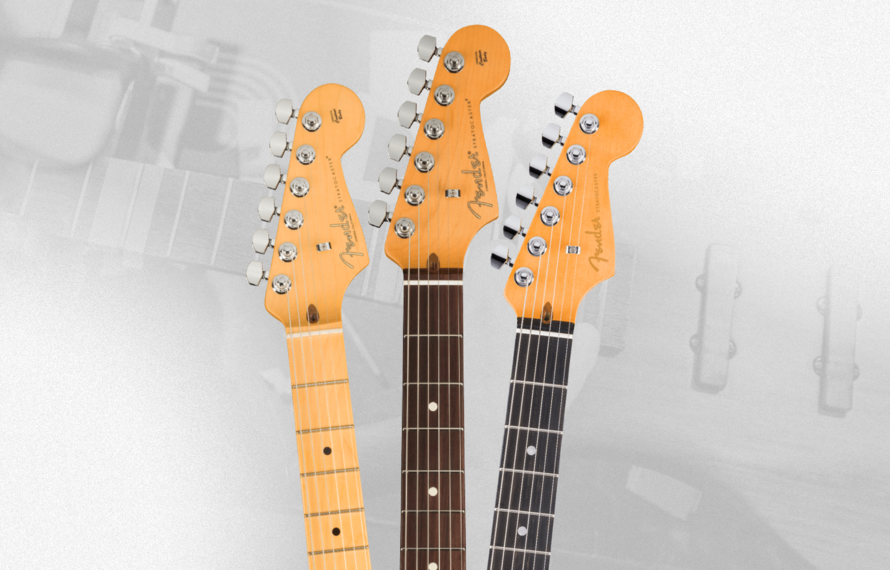
The electric guitar's tonal versatility allows Quebec musicians to explore both clean, jazz-influenced tones that complement sophisticated songwriting and heavier distorted sounds that support rock and alternative arrangements. This flexibility enables artists to navigate between intimate acoustic sets and full-band electric performances within single concerts.
The Rise of Canadian Rock: Electric Guitar Innovations
Classic Canadian Rock Heritage Canada has produced legendary rock musicians who have shaped international music scenes while maintaining distinctly Canadian perspectives. Bands like Rush, The Guess Who, and Neil Young's various projects have demonstrated how electric guitars can express Canadian sensibilities within rock music frameworks.
The electric guitar's ability to create both subtle clean tones and powerful overdriven sounds makes it ideal for Canadian rock music, which often balances aggressive musical passages with introspective lyrical content. This dynamic range allows Canadian rock musicians to explore complex emotional territories that reflect the nation's thoughtful, sometimes melancholy cultural character.
Contemporary Canadian Rock and Indie Scenes Modern Canadian rock and indie scenes continue expanding electric guitar applications while developing uniquely Canadian sounds. Cities like Toronto, Montreal, Vancouver, and Halifax have produced distinctive regional rock styles that showcase different electric guitar approaches and tonal preferences.
The electric guitar's compatibility with effects pedals and modern recording techniques enables contemporary Canadian musicians to create atmospheric soundscapes that evoke the country's vast landscapes and diverse urban environments. These sonic explorations often incorporate ambient textures, delay effects, and reverb settings that mirror Canada's natural acoustics.
Specialized Guitar Applications in Canadian Music
Resonator Guitars and Blues Influences While resonator guitars aren't traditionally associated with Canadian folk music, contemporary Canadian blues and roots musicians have embraced these instruments for their distinctive metallic tone and historical connections to North American blues traditions. The resonator guitar's unique sound adds authentic character to Canadian blues performances while providing tonal variety in acoustic settings.
Canadian musicians performing in blues festivals and roots music venues often use resonator guitars to create authentic period sounds that honor American blues traditions while supporting distinctly Canadian lyrical content and performance approaches.
Bass Guitar Foundations The bass guitar's role in Canadian music spans all genres, from folk rock rhythm sections to jazz ensembles and contemporary pop productions. Canadian bass players have contributed significantly to international music scenes while supporting domestic artists across diverse musical styles.
In Canadian folk rock and country bands, bass guitars provide essential rhythmic foundations that allow acoustic guitars and vocals to maintain focus positions in musical arrangements. The bass guitar's ability to define harmonic progressions while supporting rhythmic drive makes it crucial for full-band Canadian music performances.
Left-Handed Musicians in Canadian Music Canada has produced notable left-handed guitarists who have overcome instrument availability challenges to achieve musical success. Our left-handed guitar selection ensures that southpaw musicians can access the same quality instruments needed to participate fully in Canadian musical traditions.
Left-handed guitarists in Canadian music scenes have often developed unique playing approaches that contribute fresh perspectives to traditional musical forms, demonstrating how instrument accessibility supports musical innovation and cultural expression.
Matching Instruments to Musical Goals
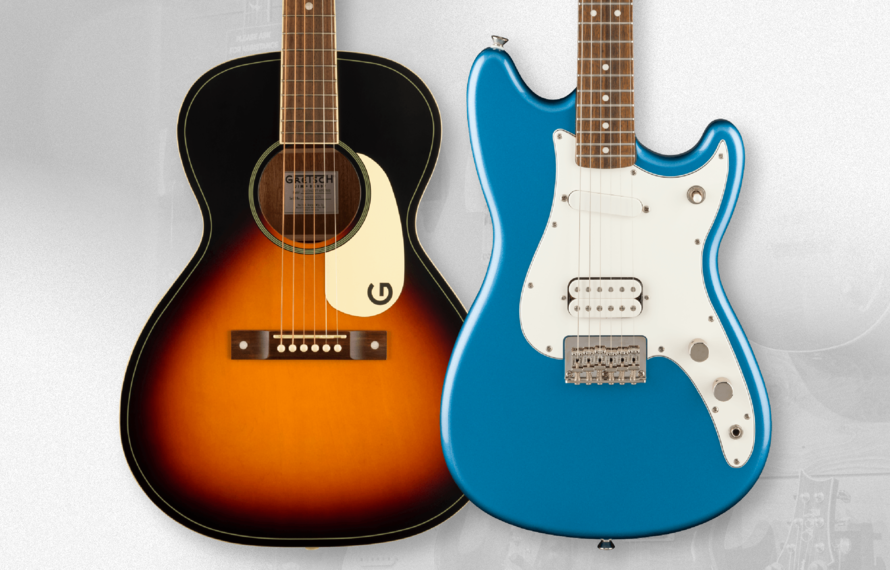
Choosing Your Canadian Musical Path Selecting appropriate guitars for Canadian musical applications requires understanding both traditional expectations and contemporary possibilities. Musicians interested in authentic folk traditions might gravitate toward acoustic guitars, while those pursuing rock or pop careers often prefer electric instruments.
However, the most successful Canadian musicians typically develop proficiency with multiple guitar types, enabling them to adapt to diverse performance situations and recording requirements. For detailed guidance on choosing between acoustic and electric guitars, explore our comprehensive resource: The Complete Guide to Choosing Your First Guitar: Acoustic vs Electric for Beginners.
Technical Considerations for Canadian Musicians Different guitar types require specific technical skills and physical adaptations that impact performance comfort and musical expression. Understanding how neck profiles, string materials, and body construction affect playability can help Canadian musicians select instruments that support their technical development and artistic goals.
Our detailed guide on Guitar Neck Profiles and Fretboard Materials: Finding Your Perfect Feel provides essential information about how construction details influence playing experience, helping musicians make informed decisions based on their physical needs and musical aspirations.
Regional Musical Characteristics and Guitar Selection
Atlantic Canada's Musical Requirements Maritime music traditions emphasize vocal clarity, rhythmic precision, and melodic accessibility, making acoustic guitars particularly well-suited to regional performance contexts. The acoustic guitar's natural projection and organic tone quality complement the storytelling focus that defines much Atlantic Canadian music.
Central Canada's Diverse Musical Landscape Ontario and Quebec's urban music scenes support diverse guitar applications, from intimate coffeehouse performances requiring acoustic guitars to arena rock concerts demanding powerful electric guitar systems. This regional diversity creates opportunities for musicians to explore multiple guitar types while developing versatile musical skills.
Western Canada's Musical Identity Alberta, Saskatchewan, British Columbia, and Manitoba have produced distinctive regional music styles that reflect both rural and urban influences. Western Canadian musicians often navigate between country, rock, and folk genres, requiring guitar versatility that supports multiple musical contexts.
Northern and Indigenous Musical Traditions Canada's northern regions and Indigenous communities have developed unique musical expressions that incorporate both traditional elements and contemporary instruments. Guitars serve supporting roles in many contemporary Indigenous musical contexts, providing harmonic foundations for traditional vocal styles and ceremonial music.
Building Your Canadian Musical Journey
Understanding the connection between guitar types and Canadian musical traditions provides essential foundation for musicians seeking to honor our nation's cultural heritage while pursuing personal artistic expression. Whether you're drawn to intimate folk performances, energetic rock concerts, or sophisticated jazz ensembles, selecting appropriate guitars enhances your ability to communicate musical ideas effectively.
Explore our complete guitar collection to discover instruments that support your Canadian musical aspirations. At Janzen Brothers, we understand the unique requirements of Canadian musicians and provide instruments that help artists connect with audiences while honoring our nation's rich musical traditions.
Your musical journey reflects Canada's cultural diversity, and your instrument choice should support that authentic expression while enabling technical growth and artistic development.