JB Music Co. - 13 / May / 2025
Guitar Neck Profiles and Fretboard Materials: Finding Your Perfect Feel
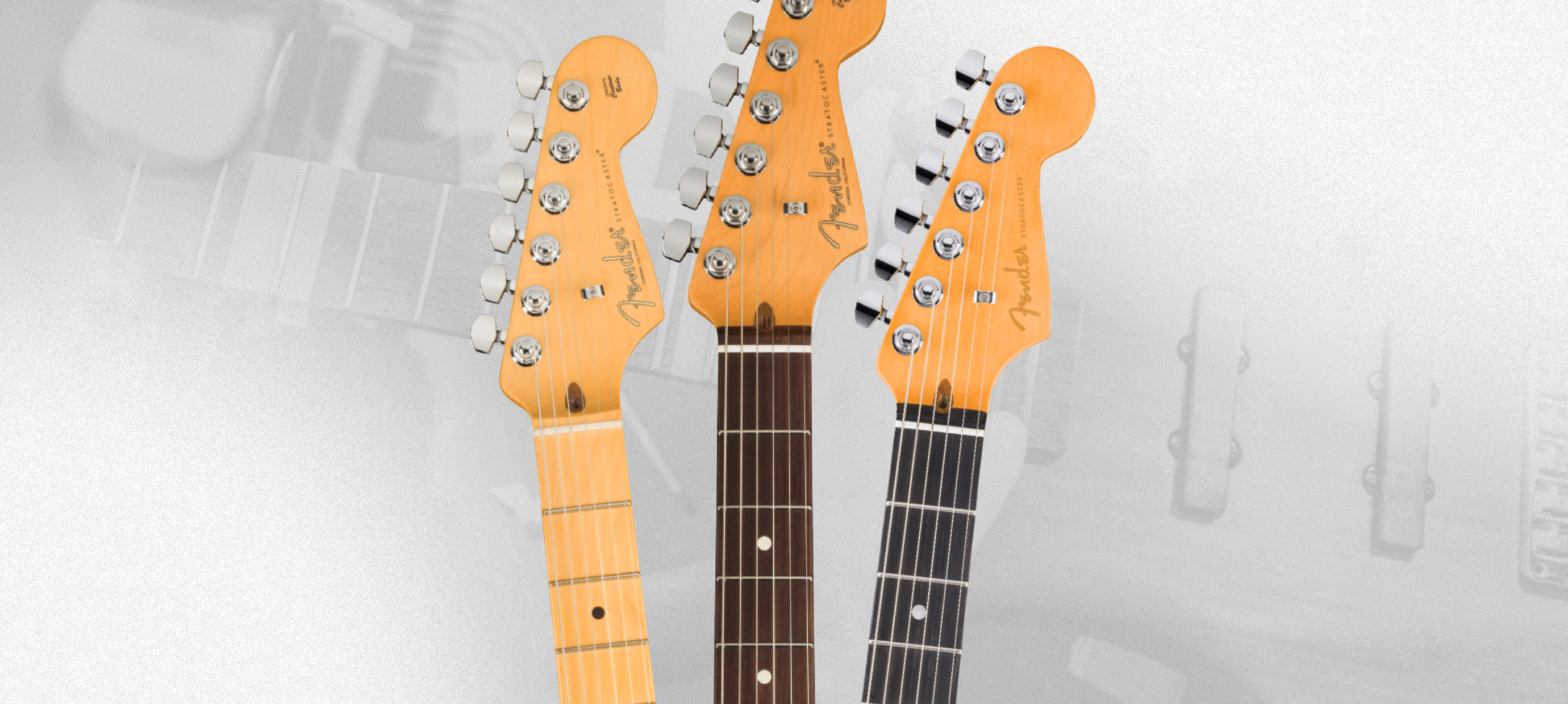
The neck and fretboard of your guitar represent the most intimate connection between musician and instrument. Every chord you form, every note you bend, and every scale you traverse depends on how your hands interact with these critical components. While many guitarists focus primarily on body style, pickup configuration, or brand reputation when selecting instruments, the neck profile and fretboard material often determine whether a guitar feels like a natural extension of your hands or an uncomfortable obstacle to musical expression.
Understanding the nuances of neck construction enables informed guitar selection that supports your playing style, hand size, and musical goals. At Janzen Brothers, we recognize that finding your perfect feel requires knowledge of how construction details impact playability, comfort, and long-term musical development. This comprehensive guide explores the technical aspects that make each guitar neck unique and helps you identify the characteristics that best suit your individual needs.
Understanding Guitar Neck Profiles: The Foundation of Comfort
Guitar neck profiles describe the cross-sectional shape of the neck from front to back, fundamentally affecting how your fretting hand grips and moves along the instrument. Manufacturers have developed numerous profile shapes over decades of guitar evolution, each offering distinct advantages for different playing styles and hand characteristics.

C-Shape Neck Profiles: The Universal Standard

The C-shaped neck profile represents the most common and widely accepted neck contour in modern guitar construction. Named for its resembles to the letter "C" when viewed in cross-section, this profile provides moderate thickness that accommodates most hand sizes and playing techniques comfortably.
C-shaped necks typically measure between 0.800" to 0.900" at the first fret, offering substantial grip without overwhelming smaller hands. This profile works exceptionally well for chord-based playing, as it provides enough meat for secure grip while allowing smooth transitions between positions. Both acoustic guitars and electric guitars frequently feature C-shaped profiles, making them excellent choices for players who alternate between instrument types.
The moderate thickness of C-shaped necks supports both rhythm and lead playing techniques effectively. Chord players appreciate the comfortable grip that enables clean fretting without excessive finger stretching, while lead guitarists benefit from the profile's stability during bending and vibrato techniques.
V-Shape Neck Profiles: Vintage Character and Unique Feel

V-shaped neck profiles create distinctive playing experiences that either feel immediately natural or completely foreign, depending on individual hand characteristics and playing style. These profiles feature pronounced ridges along the neck's back center, creating a "V" shape that fits differently in the palm than rounded profiles.
Vintage electric guitars, particularly those from the 1950s and early 1960s, often featured pronounced V-shaped necks that many players find either incredibly comfortable or awkwardly restrictive. The V-profile tends to work well for players with larger hands who grip the neck with their thumb positioned over the fretboard's edge, a technique commonly used in blues and rock playing.
Modern interpretations of V-shaped necks often feature softer, more subtle ridges that provide vintage character without the extreme feel of original designs. These contemporary V-profiles offer compromise solutions for players attracted to vintage aesthetics but requiring more universal playability.
U-Shape Neck Profiles: Maximum Grip and Vintage Appeal

U-shaped neck profiles, sometimes called "baseball bat" necks due to their substantial thickness, provide maximum grip surface and support for players who prefer fuller neck feel. These profiles typically measure over 0.900" at the first fret, creating substantial mass that some players find incredibly comfortable while others consider cumbersome.
U-shaped necks work particularly well for players with large hands who use thumb-over-neck techniques extensively. Blues and rock guitarists often prefer these profiles for their stability during aggressive bending and for the sense of connection they provide between hand and instrument.
However, U-shaped profiles can fatigue smaller hands more quickly and may impede rapid playing techniques that require extensive hand movement. Players considering U-shaped necks should test them thoroughly to ensure compatibility with their playing style and physical characteristics.
Modern Compound Radius Necks: Progressive Comfort
Contemporary guitar manufacturers have developed compound radius neck profiles that gradually change shape from the nut to the upper frets. These innovative designs typically feature fuller profiles at the lower frets for comfortable chord playing and transition to thinner profiles at higher frets to facilitate lead playing and string bending.
Compound radius necks represent significant engineering advancement that addresses the conflicting requirements of rhythm and lead playing within single instruments. These profiles work exceptionally well for versatile players who frequently alternate between chord-based and single-note playing styles.
Fretboard Materials: Tone, Feel, and Durability Considerations
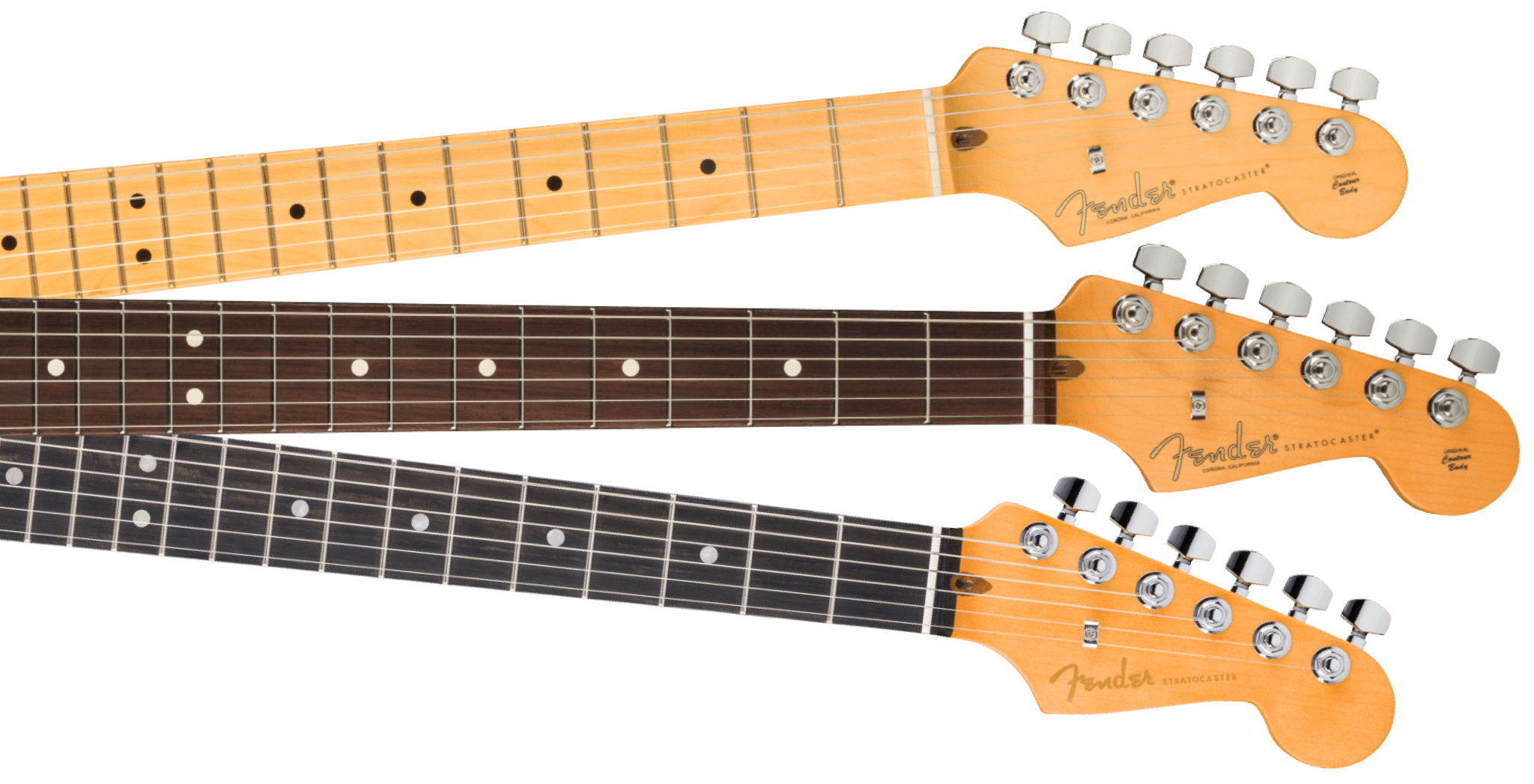
Fretboard materials significantly impact both the tactile playing experience and the guitar's tonal characteristics. Different wood species offer distinct feels under the fingers, vary in durability and maintenance requirements, and contribute unique sonic qualities to the instrument's overall voice.
Rosewood Fretboards: Rich Tone and Classic Feel
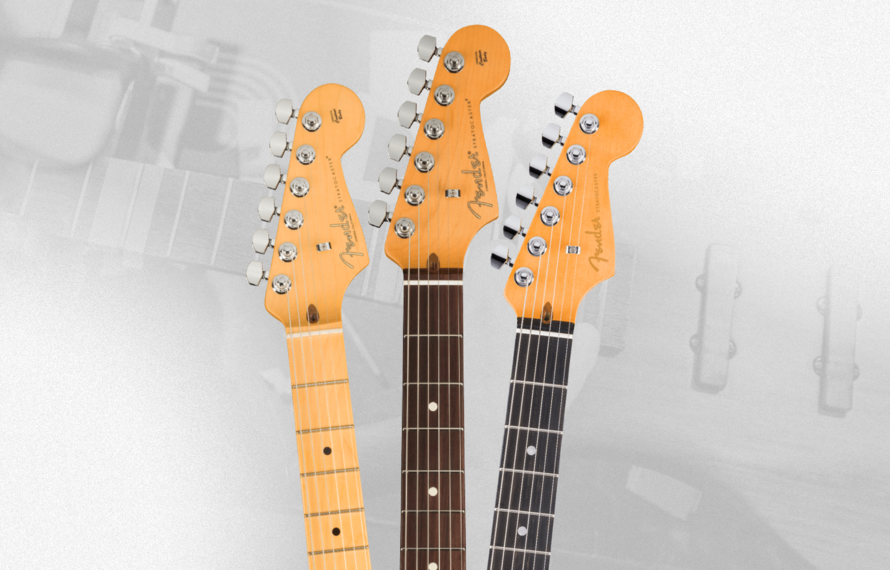
Rosewood has long been considered the gold standard for guitar fretboards due to its excellent balance of tonal qualities, playing comfort, and visual appeal. This dense hardwood provides smooth playing surfaces that develop beautiful patina over time while contributing warm, rich overtones to the guitar's sound.
The natural oils in rosewood create self-lubricating surfaces that feel smooth under the fingers without requiring frequent maintenance. These oils also provide natural protection against moisture and temperature fluctuations, making rosewood fretboards remarkably stable and durable.
Rosewood's density contributes to the guitar's sustain characteristics while adding warmth and complexity to the overall tone. Both classical guitars and steel-string instruments benefit from rosewood's tonal contributions, though the species has become increasingly regulated due to conservation concerns.

Maple Fretboards: Brightness and Speed
Maple fretboards offer distinctly different playing experiences compared to rosewood, providing harder surfaces that contribute brightness and clarity to the guitar's tone. The lighter color and tighter grain structure of maple create visually striking instruments while offering unique tactile characteristics.
The harder surface of maple fretboards provides less friction under the fingers, enabling rapid playing techniques and smooth position changes. Many lead guitarists prefer maple fretboards for their speed-friendly characteristics and the bright, articulate tone they contribute to single-note passages.
Maple fretboards typically feature protective finishes that require different maintenance approaches than unfinished rosewood. These finishes protect the wood while maintaining the smooth playing surface, though they may require occasional refinishing to maintain optimal playability.

Ebony Fretboards: Premium Feel and Exceptional Durability
Ebony represents the premium choice for guitar fretboards, offering exceptional hardness, striking appearance, and superior playing characteristics. This dense African hardwood provides incredibly smooth playing surfaces while contributing focused, articulate tones with excellent note definition.
The extreme hardness of ebony creates fretboards that resist wear exceptionally well, making them ideal for professional instruments that receive extensive playing time. The smooth surface facilitates rapid playing techniques while providing excellent grip for bending and vibrato applications.
Ebony's tonal contributions emphasize clarity and note separation, making it particularly popular for jazz guitars, high-end acoustics, and professional electric instruments. The material's natural beauty requires minimal finishing, allowing the wood's striking grain patterns to show through clearly.

Alternative Fretboard Materials: Innovation and Sustainability
Contemporary guitar manufacturers have explored numerous alternative fretboard materials to address both sustainability concerns and performance requirements. Engineered materials like richlite, carbon fiber composites, and stabilized wood products offer consistent characteristics and environmental advantages.
These alternative materials often provide more consistent playing surfaces than natural wood while eliminating concerns about humidity sensitivity and maintenance requirements. Some synthetic materials offer enhanced durability and stability, particularly beneficial for touring musicians who encounter varying environmental conditions.
Matching Neck Characteristics to Playing Styles
Chord-Based Playing Requirements
Musicians who focus primarily on chord-based playing, whether in folk, country, or rock contexts, typically benefit from neck profiles that provide comfortable grip without excessive thickness. C-shaped profiles with moderate dimensions work well for most chord players, offering secure grip without hand fatigue.
Fretboard material choice for chord players often emphasizes durability and comfortable feel over extreme tonal characteristics. Rosewood and maple both work excellently for chord-based playing, with choice often depending on aesthetic preferences and desired tonal qualities.
Lead Playing Considerations
Lead guitarists typically prefer thinner neck profiles that enable rapid position changes and facilitate complex fingering patterns. Modern C-shapes or compound radius profiles often work well for lead playing, providing necessary support without impeding hand movement.
Smooth fretboard materials like ebony or finished maple often appeal to lead players for their speed-friendly characteristics. The reduced friction of these materials enables rapid scale passages and smooth position transitions essential for contemporary lead playing techniques.
Classical and Fingerstyle Applications
Classical guitarists traditionally use wider necks with specific profiles designed to accommodate fingerstyle techniques and the spacing requirements of nylon strings. These necks typically feature flatter back profiles and wider string spacing that facilitates independent finger movement.
Classical guitar fretboards almost universally use rosewood or ebony for their tonal contributions and playing comfort. The smooth surfaces of these materials support the precise finger placement required for classical technique while contributing to the instrument's tonal complexity.
Special Considerations for Different Guitar Types
Bass Guitar Neck Requirements
Bass guitars require substantially different neck characteristics due to their longer scale lengths and heavier string tensions. Bass necks typically feature asymmetrical profiles that provide comfortable grip while accommodating the instrument's physical requirements.
The longer scale length of bass guitars necessitates neck construction techniques that maintain stability under high string tension while providing comfortable playability across the extended fretboard range. Fretboard materials for bass guitars often emphasize durability and stability over tonal nuances.
Resonator and Specialty Guitars
Resonator guitars often feature unique neck characteristics that complement their distinctive construction and playing techniques. These instruments may use wider necks to accommodate slide playing techniques or specialized fretboard materials that enhance their metallic tonal characteristics.
Specialty guitars designed for specific musical applications often incorporate neck features that support their intended use. Understanding these specialized requirements helps players select instruments that excel in their preferred musical contexts.
Left-Handed Considerations
Left-handed guitars require the same attention to neck characteristics as right-handed instruments, though the selection process may involve additional considerations due to limited availability. Left-handed players should prioritize neck comfort and playability characteristics just as strongly as right-handed musicians.
The construction process for left-handed guitars may result in subtle differences in neck characteristics compared to right-handed versions of the same model. Left-handed players should test instruments thoroughly to ensure optimal comfort and playability.
Making Your Selection: Practical Considerations
Testing and Evaluation Process
Selecting the optimal neck profile and fretboard material requires hands-on testing with multiple instruments over extended periods. Brief store testing may not reveal comfort issues that develop during longer playing sessions or identify characteristics that become problematic over time.
Consider your long-term musical goals when evaluating neck characteristics. An instrument that feels comfortable for your current skill level may become limiting as your technique develops, while a more challenging neck might support future growth better than immediately comfortable options.
Relationship to Other Guitar Characteristics
Neck characteristics interact with other guitar design elements to create the overall playing experience. Body size, scale length, string spacing, and bridge design all influence how neck characteristics feel and function during actual playing.
For comprehensive guidance on balancing neck characteristics with other guitar selection criteria, explore our detailed resource: The Complete Guide to Choosing Your First Guitar: Acoustic vs Electric for Beginners. This guide provides broader context for understanding how neck characteristics fit within overall instrument selection decisions.
Cultural and Musical Context
Different musical traditions and cultural contexts may emphasize specific neck characteristics that support traditional playing techniques and tonal expectations. Our exploration of From Campfire to Concert Hall: Matching Guitar Styles to Canadian Musical Traditions examines how instrument characteristics, including neck profiles, relate to specific musical applications and cultural contexts.
Understanding these connections helps musicians select instruments that not only feel comfortable but also support authentic expression within their chosen musical traditions and performance contexts.
Finding Your Perfect Match at Janzen Brothers
The relationship between guitarist and instrument begins with the neck, where every musical gesture originates and every expressive nuance develops. Finding your perfect neck profile and fretboard material combination requires patience, experimentation, and access to diverse instrument options that represent the full spectrum of available characteristics.
At Janzen Brothers, our comprehensive guitar collection includes instruments with various neck profiles and fretboard materials, enabling you to experience the differences firsthand and make informed decisions based on direct comparison. Our knowledgeable staff understands how construction details impact playing experience and can guide you toward instruments that match your specific requirements and musical aspirations.
Your perfect guitar feel awaits discovery through careful evaluation and informed selection. Visit our showroom to explore the neck characteristics that will support your musical journey for years to come, where every chord, every note, and every musical expression feels natural and inspiring.