JB Music Co. - 02 / Feb / 2025
Harmonica in Folk and Roots Music: Keys, Positions, and Playing Techniques

The harmonica stands as one of folk and roots music's most expressive and versatile instruments, capable of conveying everything from haunting loneliness to jubilant celebration within a pocket-sized package that has traveled from Appalachian hollers to Chicago blues clubs, from Celtic sessions to modern folk festivals. Understanding the harmonica's role in traditional music, along with its technical aspects and playing techniques, opens doorways to authentic musical expression while connecting contemporary players to generations of folk and roots music heritage.
At Janzen Brothers, we recognize that the harmonica represents more than just a musical instrument—it embodies the democratic spirit of folk music, where anyone can learn to create powerful musical statements regardless of formal training or economic circumstances. This comprehensive guide explores harmonica types, key relationships, playing positions, and techniques that enable musicians to participate authentically in folk and roots music traditions while developing their own expressive voice within these rich musical contexts.
The beauty of harmonica in folk music lies in its immediate accessibility combined with unlimited potential for musical growth and artistic expression. A beginning player can produce satisfying music within minutes of picking up the instrument, while master players continue discovering new expressive possibilities throughout decades of musical exploration and performance experience.
Understanding Harmonica Types and Construction
Diatonic Harmonicas: The Folk Music Standard
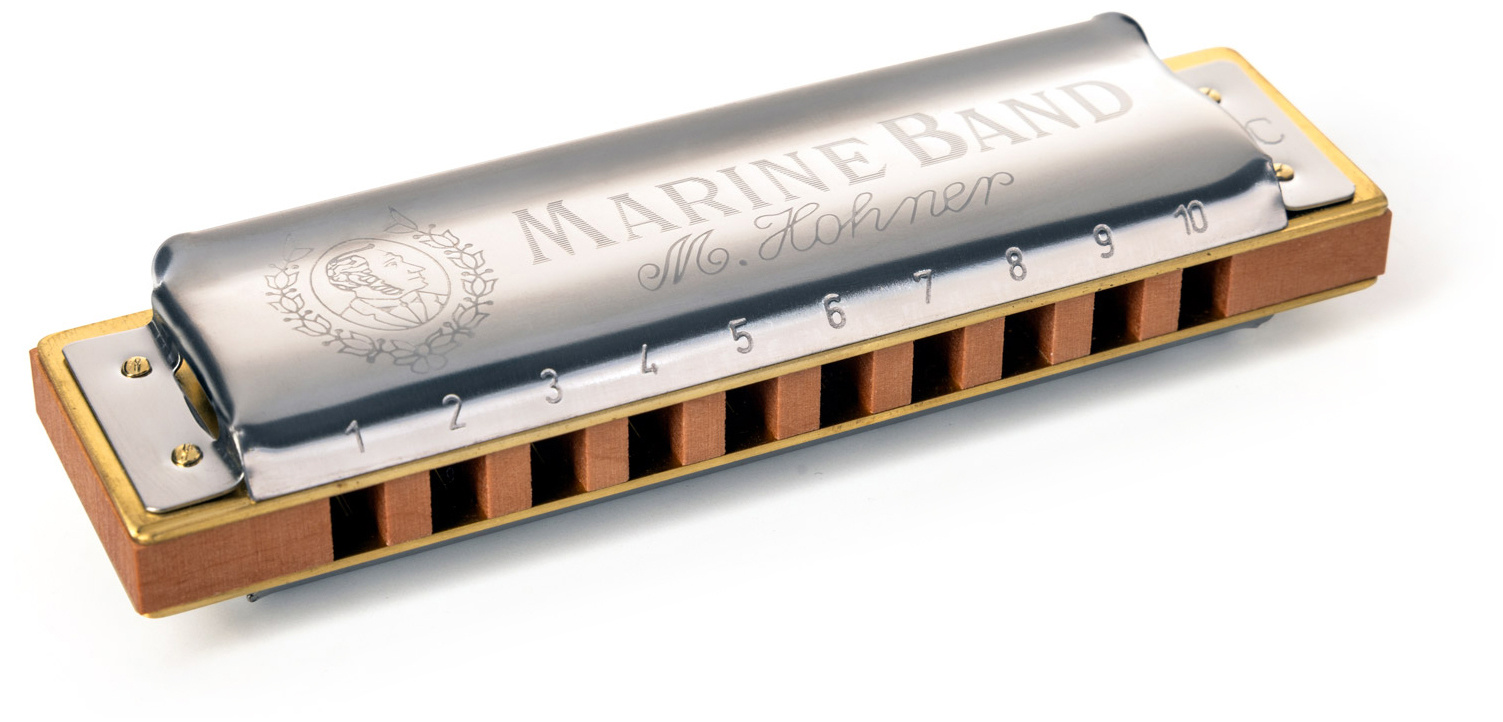
Diatonic harmonicas form the foundation of folk and roots music harmonica playing, providing the specific tonal characteristics and playing limitations that have shaped traditional harmonica styles and techniques. Harmonicas designed for folk music prioritize authentic traditional sounds over chromatic completeness, creating instruments that excel within specific key centers while encouraging the bending and expressive techniques that define traditional harmonica artistry.
Ten-Hole Diatonic Design The standard ten-hole diatonic harmonica contains twenty reeds arranged to provide major scale patterns with specific gaps that create both limitations and opportunities for musical expression. These gaps, rather than being deficiencies, actually define much of what makes harmonica so distinctive in folk music contexts, forcing players to develop bending techniques and creative approaches that have become integral to authentic traditional playing.
Understanding the layout of holes and their corresponding notes in both draw (inhale) and blow (exhale) directions provides the foundation for all harmonica playing while revealing why certain techniques developed and how they contribute to the instrument's expressive capabilities within folk and roots music traditions.
Reed Quality and Responsiveness Quality diatonic harmonicas feature precision-manufactured reeds that respond consistently to subtle breath pressure variations while providing the durability needed for the aggressive playing techniques that characterize much folk and blues harmonica performance. Reed quality affects both tone production and the instrument's ability to bend notes accurately and consistently.
Premium harmonicas often feature individually tuned reeds and sophisticated comb designs that optimize airflow while enhancing tone quality and playing responsiveness. These construction details become particularly important for players who perform regularly or pursue advanced techniques that demand reliable instrument response.
Chromatic Harmonicas: Extended Range Possibilities
While diatonic harmonicas dominate folk and roots music, chromatic harmonicas offer expanded musical possibilities for players who need complete chromatic scales or want to explore more sophisticated harmonic territories while maintaining harmonica's distinctive tonal characteristics.
Button-Activated Chromatic System Chromatic harmonicas use a button-activated slide system that redirects airflow to alternative reed sets, providing access to all chromatic notes within the instrument's range. This system enables playing in any key while providing smooth chromatic passages that diatonic instruments cannot produce without extensive bending techniques.
Understanding when chromatic harmonicas enhance folk music performance versus when their additional complexity might detract from traditional authenticity helps players make appropriate instrument choices for specific musical contexts and performance requirements.
Folk Music Applications Chromatic harmonicas work particularly well for Celtic music, where complex melodies and modal scales benefit from chromatic access, and for contemporary folk arrangements that incorporate sophisticated harmonic progressions or require modulation between key centers during performance.
Specialty Harmonicas and Traditional Variants
Tremolo and Octave Harmonicas Traditional folk music sometimes incorporates tremolo harmonicas, which feature doubled reeds tuned slightly apart to create natural vibrato effects, and octave harmonicas, which pair reeds an octave apart for fuller, organ-like tones. These specialty instruments provide unique tonal colors that enhance specific folk music traditions.
Bass Harmonicas and Chord Instruments Larger harmonicas designed for bass lines and chord accompaniment enable harmonica players to provide complete musical arrangements or participate in harmonica ensembles that recreate full band sounds using only harmonica family instruments.
Key Selection and Musical Applications
Understanding Harmonica Keys and Musical Context
Matching Harmonicas to Song Keys Folk and roots music typically uses specific key centers that work well with other acoustic instruments, making harmonica key selection crucial for effective ensemble playing and authentic traditional sound. The most commonly used harmonica keys in folk music—A, Bb, C, D, E, F, and G—correspond to popular guitar and fiddle keys while providing optimal vocal ranges for traditional songs.
Understanding how harmonica keys relate to guitar capo positions and fiddle tunings enables effective collaboration with other acoustic instruments while ensuring harmonica parts complement rather than compete with other musical elements in traditional arrangements.
Regional and Stylistic Key Preferences Different folk music traditions often favor specific harmonica keys that complement regional musical characteristics and traditional vocal ranges. Appalachian music often uses harmonicas in keys that work well with mountain dulcimer and banjo tunings, while Celtic music may prefer keys that complement traditional fiddle and whistle music.
Learning about these regional preferences helps players develop authentic traditional sounds while understanding the practical considerations that shaped harmonica usage in different folk music contexts throughout history.
Position Playing and Advanced Key Relationships
First Position (Straight Harp) Playing First position playing uses the harmonica in its natural key, providing major scale patterns that work well for simple melodies and traditional folk tunes. This straightforward approach offers immediate musical satisfaction while building fundamental breath control and hole navigation skills that support more advanced techniques.
First position playing excels for campfire songs, simple folk melodies, and situations where clear, major-key tonality supports the musical content and emotional expression of traditional songs and ballads.
Second Position (Cross Harp) Blues and Folk Applications Second position playing transposes the harmonica's effective key center, creating minor tonalities and easier access to blue notes that define much of harmonica's expressive power in folk and roots music. This position, developed primarily in blues contexts, has become equally important in folk music for its emotional expressiveness and technical advantages.
Understanding second position relationships enables access to the bending techniques and expressive possibilities that make harmonica such a compelling voice for conveying the emotional depth and authenticity that characterize great folk music performance.
Third Position and Modal Applications Third position and higher positions provide access to modal scales and exotic tonalities that work particularly well for Celtic music, old-time tunes, and contemporary folk compositions that incorporate sophisticated harmonic concepts while maintaining traditional acoustic aesthetics.
Advanced position playing requires understanding complex key relationships and extensive bending technique, but it offers remarkable musical possibilities for players who invest the time to master these sophisticated approaches to traditional harmonica artistry.
Essential Playing Techniques for Folk Music
Breath Control and Tone Production
Single Note Clarity and Accuracy Producing clear single notes consistently forms the foundation of all serious harmonica playing, requiring precise lip and tongue positioning that isolates individual holes while maintaining smooth airflow. This fundamental technique enables melodic playing while providing the control needed for advanced expressive techniques.
Developing reliable single note technique requires understanding how mouth position, tongue blocking, and breathing patterns interact to create clean note production while building the endurance needed for extended performance and practice sessions.
Vibrato and Expressive Breathing Natural vibrato production through controlled breathing variations adds emotional expression to harmonica melodies while creating the human quality that makes harmonica so compelling in folk music contexts. Understanding how to control vibrato speed and intensity provides essential tools for musical expression and stylistic authenticity.
Advanced breathing techniques include throat vibrato, diaphragmatic control, and specialized breathing patterns that create the complex tonal variations that characterize master-level folk harmonica performance.
Bending Techniques and Blue Notes
Draw Bend Fundamentals Note bending enables harmonica players to access chromatic notes not naturally available on diatonic instruments while creating the expressive pitch variations that define traditional harmonica artistry. Draw bends, produced by reshaping the oral cavity while drawing air through the harmonica, provide access to flat thirds, flat sevenths, and other essential folk and blues tones.
Mastering basic draw bends requires understanding the physical mechanics of pitch alteration while developing the ear training needed to hear and control precise pitch relationships that create musical rather than merely technical effects.
Blow Bends and Advanced Pitch Control Blow bends, though more difficult than draw bends, provide access to additional chromatic notes while offering unique tonal characteristics that enhance melodic possibilities and harmonic sophistication. These advanced techniques require extensive practice but offer remarkable musical rewards for dedicated players.
Understanding which holes bend in which directions and to what pitches provides the roadmap for accessing the complete chromatic potential hidden within diatonic harmonica design while maintaining the instrument's characteristic folk music authenticity.
Rhythm and Accompaniment Techniques
Chording and Harmonic Support Harmonica players can provide harmonic accompaniment through chord playing techniques that support vocals or lead instruments while maintaining rhythmic drive essential to folk music arrangements. Understanding basic chord positions and voicings enables harmonica to function as accompaniment instrument as well as lead voice.
Rhythm harmonica techniques include percussive breathing, chord progressions, and rhythmic patterns that complement rather than compete with other acoustic instruments in traditional folk music ensembles and acoustic arrangements.
Train Rhythms and Traditional Patterns Traditional harmonica repertoire includes train imitations, rhythm patterns, and percussive techniques that connect to folk music's historical roots while providing entertaining and musically effective performance elements that showcase harmonica's unique capabilities.
These traditional techniques often serve as bridges between purely melodic playing and rhythmic accompaniment while demonstrating harmonica's versatility within folk music contexts and cultural traditions.
Folk Music Styles and Regional Traditions
Appalachian and Mountain Music
Old-Time and Mountain Harmonica Styles Appalachian harmonica playing often emphasizes simple, direct musical approaches that complement fiddle tunes, banjo music, and traditional ballads. Understanding these regional styles helps players develop authentic traditional sounds while participating effectively in old-time music sessions and mountain music traditions.
Mountain harmonica techniques often prioritize melodic clarity and rhythmic support over technical virtuosity, creating musical approaches that serve songs and traditional musical functions rather than showcasing individual instrumental prowess.
Celtic and Irish Traditional Music
Harmonica in Celtic Sessions While not traditionally central to Celtic music, harmonica has found acceptance in many Celtic sessions when played with appropriate sensitivity to traditional melodic and rhythmic characteristics. Understanding Celtic ornamentation, modal scales, and traditional rhythm patterns enables effective harmonica participation in these sophisticated musical traditions.
Celtic harmonica playing often requires chromatic access for accurate melody reproduction, making chromatic harmonicas or advanced bending techniques essential for authentic traditional sound and musical accuracy.
American Folk Revival and Contemporary Applications
Folk Revival Harmonica Traditions The American folk revival of the 1960s established harmonica as an essential folk music instrument through the influential work of performers who demonstrated its versatility and emotional power in contemporary folk contexts. Understanding this historical development helps contemporary players appreciate harmonica's continuing role in folk music evolution.
Contemporary folk harmonica incorporates traditional techniques while adapting to modern musical contexts, songwriting approaches, and recording technologies that expand the instrument's musical possibilities while maintaining connections to traditional folk music values.
Integration with Other Folk Instruments
Harmonica and Guitar Combinations
Accompaniment and Solo Integration Harmonica pairs naturally with acoustic guitar, creating one of folk music's most recognizable and effective instrumental combinations. Understanding how harmonica keys relate to guitar tunings and capo positions enables effective collaboration while developing musical arrangements that showcase both instruments appropriately.
Effective guitar and harmonica arrangements balance melodic responsibilities while creating musical conversations that enhance rather than compete with vocal content and overall song structure in traditional folk music contexts.
Ensemble Playing and Session Participation
Folk Music Session Etiquette Participating effectively in folk music sessions requires understanding traditional session etiquette, repertoire expectations, and musical roles that enable harmonica to contribute positively to group musical experiences while respecting established traditions and social customs.
Understanding when to play lead, when to provide accompaniment, and when to listen creates positive session experiences while building musical relationships that support continued learning and artistic development within folk music communities.
Complementary Instruments and Musical Expansion Harmonica works effectively with other traditional folk instruments including banjos,mandolins, and fiddles, creating ensemble possibilities that honor traditional acoustic music values while providing contemporary musical experiences and creative opportunities.
Our exploration ofBluegrass Instrument Essentials: Banjo, Mandolin, and Dobro for Traditional Music provides context for understanding how harmonica integrates with other traditional acoustic instruments while maintaining authentic traditional musical approaches and cultural connections.
Choosing and Maintaining Your Harmonica
Quality Considerations and Investment Planning
Construction Standards and Reliability Quality harmonicas require construction standards that provide reliable performance under demanding playing conditions while delivering the tonal characteristics and responsiveness that support authentic folk music expression. Understanding construction quality helps ensure instrument selections that support both immediate musical goals and long-term artistic development.
Our analysis of Traditional vs. Modern Construction in Roots Instruments: What Makes the Difference provides comprehensive information about how construction techniques affect harmonica performance while balancing traditional authenticity with modern reliability and musical functionality.
Progressive Instrument Development Many harmonica players begin with affordable student instruments before progressing to professional models as their skills and musical understanding develop. Understanding quality progression and upgrade paths helps plan instrument investments that support continued musical growth while providing immediate playing satisfaction.
Care and Maintenance
Cleaning and Hygiene Practices Harmonicas require regular cleaning and maintenance to ensure optimal performance and hygiene, particularly important for instruments played regularly in session and performance contexts. Understanding proper care procedures protects instrument investments while ensuring reliable performance and extended service life.
Environmental Considerations Harmonica reeds respond to temperature and humidity changes that can affect tuning and responsiveness, making proper storage and environmental awareness important for maintaining optimal instrument condition and performance characteristics throughout varying seasonal conditions.
Building Your Folk Harmonica Journey
Understanding harmonica's role in folk and roots music provides pathways into some of music's most authentic and emotionally powerful traditions while offering opportunities for personal expression and creative development within established cultural frameworks. Whether you're drawn to simple folk melodies, complex Celtic airs, or contemporary folk compositions, harmonica offers immediate musical satisfaction with unlimited potential for continued growth and artistic exploration.
Explore our comprehensive roots music collection at Janzen Brothers to discover harmonicas and complementary acoustic instruments that honor traditional folk music values while providing the quality and reliability that serious musicians require. Our knowledgeable staff understands the unique requirements of folk music and can guide you toward instruments that match your musical goals while supporting your artistic development within these rich musical traditions.
Your folk music journey can begin with a single harmonica and expand into lifelong musical exploration that connects you to generations of traditional players while enabling your own creative contributions to continuing folk music traditions and contemporary acoustic music evolution.