JB Music Co. - 16 / Mar / 2025
Piano Key Action Types Explained: Weighted, Semi-Weighted, and Synth Action Comparison
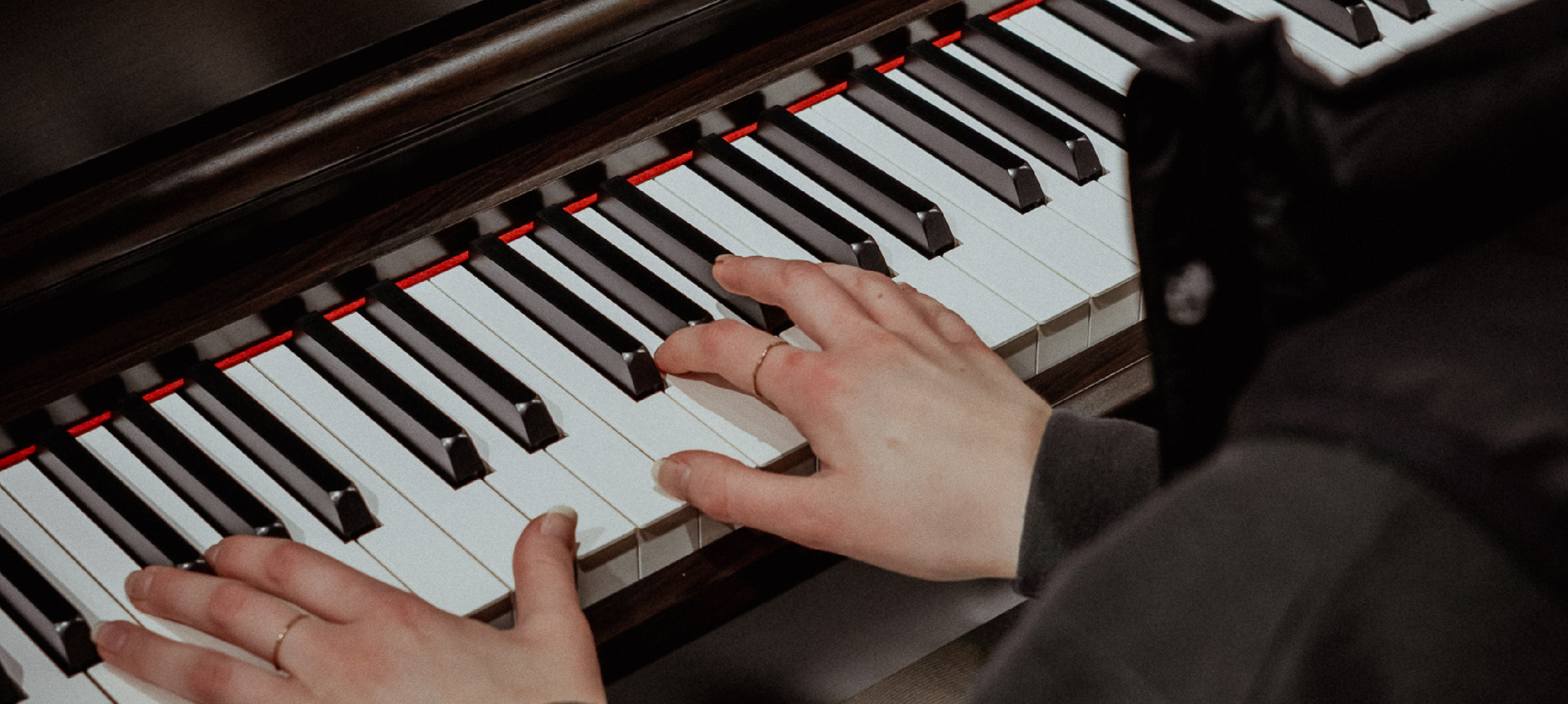
The key action mechanism represents the most critical component determining how a keyboard feels under your fingers, directly affecting your playing technique, musical expression, and long-term skill development. Understanding the fundamental differences between weighted, semi-weighted, and synth action types empowers you to select keyboards that support your musical goals while providing the playing experience that matches your technical requirements and artistic preferences.
At Janzen Brothers, we recognize that key action selection profoundly impacts both immediate playing satisfaction and long-term musical development. The action type you choose affects everything from finger strength development and dynamic control to the transferability of skills between digital and acoustic instruments. This comprehensive guide explores each key action type systematically, helping you understand how these mechanical differences translate into real-world playing experiences and musical outcomes.
The relationship between key action and musical development cannot be overstated. Students learning on inappropriate action types may develop technique habits that hinder their progress on acoustic pianos, while experienced players may find certain actions limit their expressive capabilities or feel uncomfortable during extended playing sessions. By understanding these technical relationships, you can make informed decisions that support both immediate satisfaction and long-term musical success.
Understanding Key Action Fundamentals

The Science of Touch and Response
Key action mechanisms determine how keyboards respond to your touch, affecting everything from the initial resistance you feel when pressing keys to the dynamic sensitivity that translates finger velocity into musical expression. These mechanical systems bridge the gap between physical gesture and digital sound generation, making their characteristics crucial for authentic musical performance and proper technique development.
Touch Sensitivity and Dynamic Response All modern keyboard actions feature velocity sensitivity that translates playing dynamics into volume and tonal variations, but the mechanical feel and response characteristics vary dramatically between action types. This sensitivity enables expressive playing while providing the tactile feedback that musicians need for developing proper technique and musical control.
The relationship between finger pressure, key travel distance, and mechanical resistance affects how musicians develop timing, dynamics, and articulation skills that form the foundation of advanced keyboard technique and musical expression.
Mechanical Engineering and Musical Function Different action types employ varying mechanical approaches to creating resistance and response characteristics. Understanding these engineering differences helps explain why certain actions feel more natural for specific musical styles while others excel in different performance contexts or technical applications.
Action Types and Musical Applications
The choice between weighted, semi-weighted, and synth actions affects not only immediate playing comfort but also long-term skill development and the types of musical applications where each keyboard excels. These mechanical differences create distinct playing experiences that suit different musical goals and performance requirements.
Weighted Key Action: Authentic Piano Experience
Replicating Acoustic Piano Mechanics
Weighted key actions found in quality digital pianos use sophisticated mechanical systems to simulate the hammer action of acoustic pianos, providing authentic resistance, touch sensitivity, and dynamic response that enables proper piano technique development while supporting advanced musical expression.
Graded Hammer Action Systems Premium weighted actions feature graded resistance that mimics acoustic piano characteristics, with heavier feel in the lower register and lighter touch in the upper range. This gradation reflects the varying hammer weights in acoustic pianos, creating familiar playing experiences that transfer directly to traditional piano performance.
Advanced graded hammer systems incorporate multiple pivot points, counterweights, and resistance mechanisms that closely approximate the complex mechanical interactions found in acoustic piano actions. These sophisticated systems provide the authentic touch that serious piano students require for proper technique development.
Escapement Mechanisms High-end weighted actions include escapement simulation that replicates the subtle click and release sensation experienced on acoustic pianos when keys are pressed slowly. This mechanical detail may seem minor, but it provides important tactile feedback that advanced pianists rely on for precise control and musical expression.
Escapement mechanisms help bridge the gap between digital and acoustic piano playing experiences, enabling seamless transitions between instrument types while maintaining consistent technique and musical sensitivity.
Educational and Technical Benefits
Proper Technique Development Weighted key actions provide the resistance necessary for developing proper finger strength, hand position, and dynamic control that form the foundation of advanced piano technique. Students learning on weighted keys develop muscle memory and coordination skills that transfer directly to acoustic piano performance without technical adjustment.
The consistent resistance and authentic touch response of weighted actions enable students to develop proper articulation, phrasing, and dynamic control while building the finger independence and strength required for advanced repertoire and professional performance standards.
Dynamic Range and Expression Weighted actions offer superior dynamic sensitivity and expressive range compared to lighter action types, enabling subtle gradations of touch that translate into nuanced musical expression. This enhanced control proves essential for classical music, jazz, and other genres where dynamic sophistication and tonal variety are paramount.
The mechanical precision of quality weighted actions responds to the slightest variations in touch velocity and finger pressure, providing the expressive tools that advanced musicians need for authentic musical communication and artistic interpretation.
Performance Applications and Contexts
Classical and Traditional Music Weighted actions excel in classical music applications where authentic piano technique and traditional playing approaches are essential. Music teachers consistently recommend weighted actions for students pursuing formal piano education, conservatory training, or classical performance careers.
The authentic playing experience provided by weighted actions enables students to develop technique skills that apply directly to acoustic piano performance, examinations, and competitions where familiarity with traditional piano touch is assumed and required.
Professional Performance Standards Concert-level digital pianos with premium weighted actions satisfy professional performers who require authentic touch and reliable dynamic response for recording, live performance, and teaching applications. These instruments provide the consistency and expressive capability that professional musical contexts demand.
Weighted Action Considerations
Physical Demands and Adaptation Weighted actions require more finger strength and physical effort than lighter action types, which may initially challenge students transitioning from non-weighted keyboards or complete beginners still developing finger strength and coordination.
However, this increased physical demand ultimately benefits technique development by building proper finger strength and encouraging efficient playing mechanics that reduce fatigue and support advanced technical skills.
Size and Portability Factors Keyboards with weighted actions typically weigh more and require more substantial construction than instruments with lighter actions, affecting portability and setup requirements for musicians who frequently transport their instruments.
Semi-Weighted Action: Balanced Compromise
Bridging Piano and Synthesizer Characteristics
Semi-weighted actions provide moderate resistance that balances piano-like feel with the lighter touch preferred for synthesizer playing, electronic music, and contemporary keyboard techniques. This middle-ground approach suits musicians who need versatility across different musical styles and playing applications.
Moderate Resistance Characteristics Semi-weighted actions offer more resistance than synth actions while remaining lighter than fully weighted systems, creating playing experiences that accommodate both traditional piano techniques and contemporary keyboard approaches. This balance enables musicians to develop reasonable piano technique while maintaining the agility needed for rapid synthesizer passages and electronic music applications.
The consistent resistance across the keyboard range provides familiar playing characteristics that support muscle memory development while offering enough sensitivity for expressive playing in diverse musical contexts.
Spring-Based Mechanisms Most semi-weighted actions use spring systems rather than hammer mechanisms to create resistance, resulting in different feel characteristics compared to weighted actions. While these systems don't perfectly replicate acoustic piano touch, they provide reasonable approximations that support basic piano technique development.
Spring-based systems offer reliability and consistency while maintaining affordability compared to complex hammer action mechanisms, making semi-weighted actions popular choices for intermediate instruments and multi-purpose keyboards.
Musical Applications and Versatility
Contemporary Music Styles Semi-weighted actions work well for pop, rock, jazz, and contemporary music applications where a balance of piano authenticity and keyboard agility is desired. These actions support both traditional piano techniques and modern keyboard approaches without strongly favoring either extreme.
Musicians working in diverse musical styles often find semi-weighted actions provide adequate piano feel for traditional playing while offering the responsiveness needed for contemporary keyboard techniques, effects control, and electronic music applications.
Educational Compromise Solutions Semi-weighted actions serve as compromise solutions for educational environments where full weighted actions might be too expensive or physically demanding for younger students, while still providing more authentic piano feel than unweighted alternatives.
Many music programs use semi-weighted keyboards as stepping stones toward weighted instruments, allowing students to develop basic technique skills before transitioning to more demanding weighted actions as they advance.
Semi-Weighted Action Benefits and Limitations
Accessibility and Comfort Semi-weighted actions typically feel more accessible to beginning players and musicians with smaller hands or less finger strength, enabling comfortable playing without the physical demands of fully weighted systems.
This accessibility can encourage consistent practice and musical exploration, particularly for students who might be discouraged by the initial difficulty of weighted actions or intimidated by their physical requirements.
Technique Development Considerations While semi-weighted actions support basic technique development, they may not provide sufficient resistance for developing the finger strength and control required for advanced piano performance on acoustic instruments.
Students planning to pursue serious classical piano study or professional piano performance may eventually need to transition to fully weighted actions to develop appropriate technique standards and performance capabilities.
Synth Action: Speed and Contemporary Performance
Optimized for Electronic Music and Rapid Playing
Synth actions, found in many portable keyboards and MIDI controllers, prioritize speed, responsiveness, and comfort for contemporary keyboard techniques, electronic music performance, and rapid passage work that characterizes synthesizer playing and modern music production.
Minimal Resistance Design Synth actions feature minimal key resistance that enables rapid playing, quick repeated notes, and extended performance sessions without finger fatigue. This light touch proves ideal for synthesizer leads, arpeggiated passages, and electronic music techniques that require speed and agility over dynamic sophistication.
The reduced physical effort required for synth actions enables musicians to focus on musical content, timing, and expression rather than overcoming mechanical resistance, supporting creative flow and technical execution in fast-paced musical contexts.
Enhanced Velocity Sensitivity Despite their light touch, quality synth actions provide excellent velocity sensitivity that translates subtle playing variations into expressive electronic sounds. This sensitivity enables dynamic control and musical expression while maintaining the responsiveness needed for contemporary performance techniques.
Advanced synth actions incorporate sophisticated velocity curves and sensitivity adjustments that optimize response characteristics for different playing styles and electronic instrument types, providing customizable playing experiences that adapt to diverse musical applications.
Contemporary Music Applications
Electronic Music and Production Synth actions excel in electronic music production environments where rapid note entry, real-time parameter control, and extended playing sessions are common requirements. The light touch and responsive feel support creative workflows while minimizing physical fatigue during long production sessions.
Musicians working with software synthesizers, sample libraries, and digital audio workstations often prefer synth actions for their immediate response and comfortable playing characteristics that enhance creative productivity and musical exploration.
Live Performance and Gigging The lightweight construction and comfortable playing feel of synth action keyboards make them popular choices for live performers who need portable, reliable instruments for contemporary music applications.
Synth actions support the rapid playing techniques, real-time sound manipulation, and extended performance sessions that characterize modern keyboard performance in rock, pop, electronic, and experimental music contexts.
Synth Action Considerations
Piano Technique Development Limitations Synth actions provide minimal support for traditional piano technique development, as their light touch and lack of resistance don't build finger strength or encourage proper piano playing mechanics that transfer to acoustic instruments.
Students primarily interested in piano study should consider more piano-oriented action types, while musicians focused on contemporary keyboard applications may find synth actions perfectly suited to their musical goals and performance requirements.
Musical Style Specialization While synth actions excel for their intended applications, they may feel inappropriate or limiting for musicians who frequently switch between electronic and acoustic musical contexts or who need versatile instruments for diverse performance situations.
Key Action Selection Guidelines
Matching Actions to Musical Goals
Classical and Traditional Piano Focus Musicians prioritizing classical piano study, traditional piano literature, or acoustic piano performance should strongly consider weighted actions that provide authentic playing experiences and support proper technique development for these demanding musical applications.
Contemporary and Electronic Music Musicians focused on contemporary music styles, electronic music production, or synthesizer performance often find semi-weighted or synth actions better suited to their technical requirements and musical aesthetics.
Versatile and Multi-Style Applications Musicians who perform across diverse musical styles may benefit from semi-weighted actions that provide reasonable compromise solutions, or consider multiple instruments with different action types for specialized applications.
Physical and Practical Considerations
Hand Size and Strength Factors Younger players, musicians with smaller hands, or those with physical limitations may find lighter action types more comfortable and accessible, while physically stronger players often prefer the resistance and control provided by weighted actions.
Practice Environment and Usage Patterns Extended practice sessions may benefit from lighter actions that reduce physical fatigue, while shorter, focused practice periods can effectively utilize heavier actions that provide superior technique development benefits.
Integration with Complete Keyboard Systems
Accessories and Setup Optimization
Regardless of action type, proper keyboard stands and benches ensure optimal playing positions that support technique development while preventing fatigue and injury during extended playing sessions.
Quality keyboard accessories including sustain pedals and expression controllers enhance the musical capabilities of all action types while providing additional expressive tools that complement mechanical touch characteristics.
Educational Resource Integration
Understanding key action characteristics helps inform broader keyboard selection decisions explored in our comprehensive guide: Digital Piano vs. Portable Keyboard: Which is Right for Your Musical Journey?, which examines how action types relate to overall instrument functionality and musical applications.
For detailed guidance on evaluating complete keyboard features and capabilities, explore our resource: Essential Digital Piano Features: What to Look for When Buying Your First Instrument, which provides broader context for understanding how key action integrates with other important instrument characteristics.
Making Your Key Action Decision
Assessment and Testing Approach
Selecting appropriate key action requires hands-on testing and honest assessment of your musical goals, physical characteristics, and performance requirements. Brief store testing may not reveal comfort or technique issues that develop during extended playing sessions, making thorough evaluation essential.
Consider your long-term musical development when evaluating action types. An action that feels comfortable initially may become limiting as your skills advance, while a more challenging action might support better long-term technique development and musical growth.
Professional Guidance and Support
Music teachers, experienced players, and knowledgeable retailers provide valuable insights about how different action types affect technique development and musical performance. Professional guidance helps ensure your selection supports both immediate satisfaction and long-term musical success.
Discovering Your Ideal Key Action
Understanding key action characteristics empowers you to select keyboards that feel natural under your fingers while supporting your musical development and artistic goals. Whether you choose the authentic resistance of weighted action, the balanced compromise of semi-weighted systems, or the contemporary responsiveness of synth action, your selection should inspire confident playing and support consistent practice.
Explore our comprehensive keyboard collection at Janzen Brothers to experience different key action types firsthand while receiving expert guidance from our knowledgeable staff. The right key action feels like a natural extension of your musical intention, translating your artistic vision into sound with precision, comfort, and expressive capability.
Your touch is your musical signature—choose the key action that best captures and expresses your unique musical voice while supporting your technical development and creative aspirations.