JB Music Co. - 31 / Mar / 2025
Saxophone Family Overview: Soprano, Alto, Tenor, and Baritone Differences
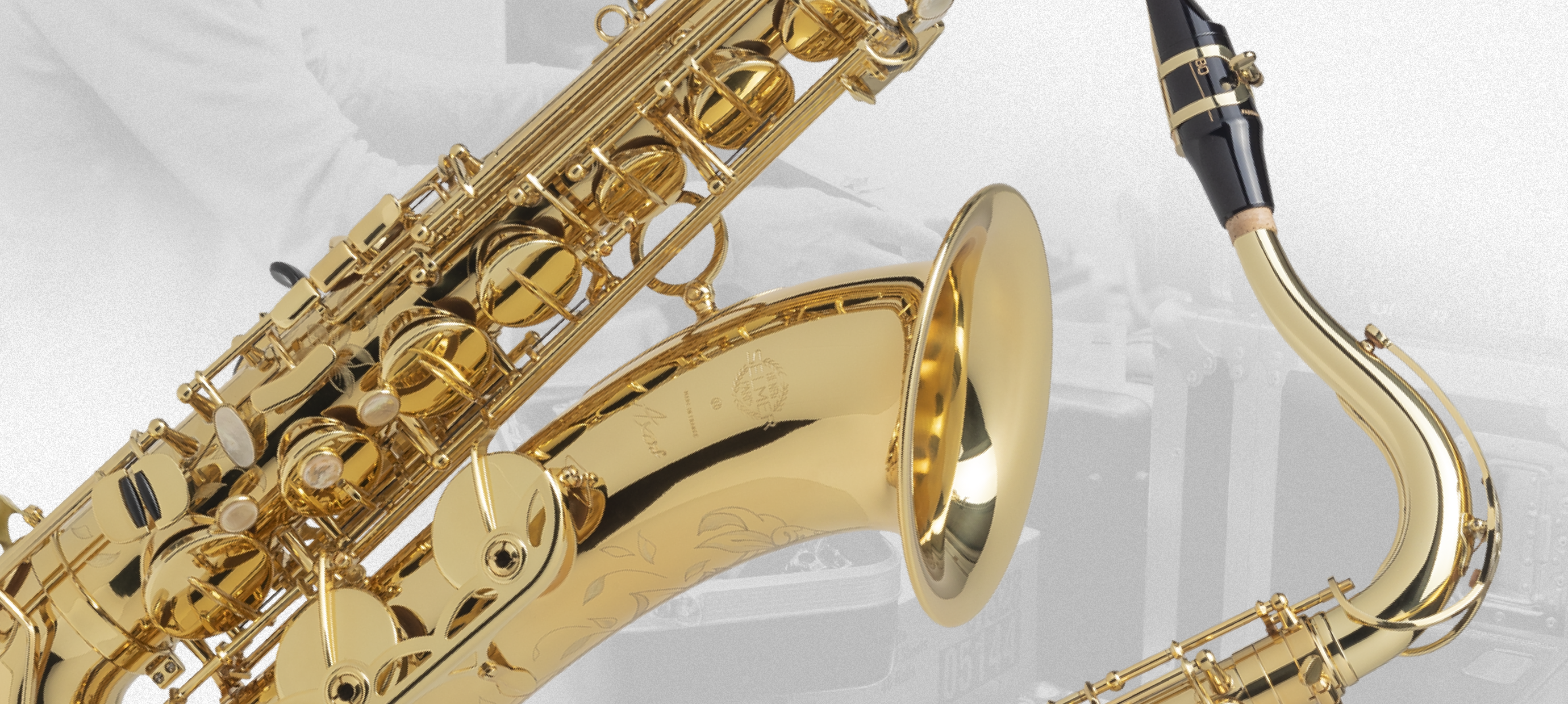
The saxophone family represents one of music's most versatile and expressive instrument groups, bridging the gap between woodwind agility and brass power to create unique voices that have shaped genres from classical and jazz to rock and contemporary music. Understanding the distinct characteristics of soprano, alto, tenor, and baritone saxophones enables musicians to select instruments that best serve their musical goals while appreciating how each family member contributes to ensemble arrangements and solo performances.
At Janzen Brothers, we recognize that saxophone selection involves more than choosing between different sizes—each saxophone type offers unique tonal characteristics, technical requirements, and musical applications that make them suitable for different players and musical contexts. This comprehensive overview explores the saxophone family systematically, providing essential information that helps musicians make informed decisions about which saxophone best supports their artistic vision and practical needs.
The saxophone's relatively recent invention by Adolphe Sax in the 1840s makes it unique among orchestral instruments, designed specifically to combine the projection of brass instruments with the agility of woodwinds. This hybrid nature enables saxophones to excel in diverse musical situations while maintaining a consistent family identity that allows players to transition between different saxophone types with relative ease.
Understanding Saxophone Fundamentals
Common Saxophone Characteristics

All saxophones share fundamental construction principles and playing techniques that create family consistency while enabling players to move between different sizes and ranges. Understanding these shared characteristics helps musicians appreciate how different saxophone types relate to each other while highlighting the unique features that distinguish each family member.
Single-Reed Mouthpiece System All saxophones use single-reed mouthpieces similar to clarinets, creating consistent embouchure requirements across the family. This shared approach enables players to develop transferable technique that applies to different saxophone sizes, though each requires subtle adjustments for optimal sound production.
Conical Bore Design The saxophone's conical bore distinguishes it from cylindrical instruments like clarinets, creating the characteristic saxophone timbre and projection capabilities. This bore design contributes to the saxophone's unique blend of woodwind and brass qualities that make it equally at home in concert bands and jazz ensembles.
Key System and Fingering Patterns Modern saxophones feature sophisticated key systems derived from the Boehm system used on flutes and clarinets. This consistent fingering approach across the saxophone family enables players to apply basic technique across different saxophone types while accommodating the extended ranges and specialized techniques each instrument offers.
Saxophone Range and Transposition
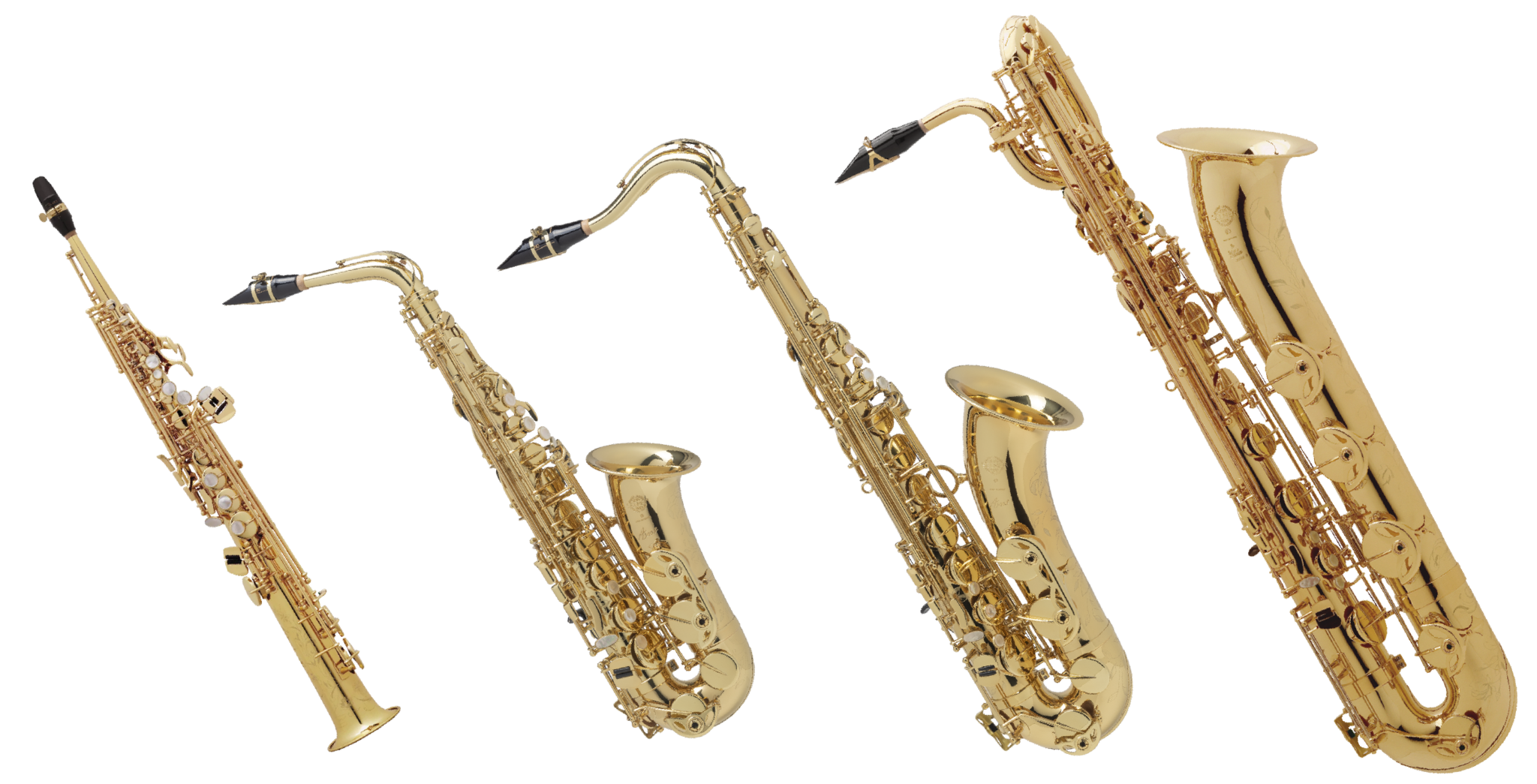
Understanding saxophone transposition and range relationships helps musicians navigate between different family members while comprehending how saxophone parts integrate within ensemble arrangements and musical compositions.
Transposition Characteristics Alto and baritone saxophones are Eb instruments, sounding a major sixth and an octave plus a major sixth lower than written pitch respectively. Soprano and tenor saxophones are Bb instruments, sounding a major second and a major ninth lower than written pitch. Understanding these transposition relationships helps musicians work effectively with written music and ensemble arrangements.
Range Considerations Each saxophone type covers approximately two and a half octaves, with overlapping ranges that create ensemble blend opportunities while providing distinct register characteristics. The relationship between written and sounding ranges affects how different saxophones function within ensemble contexts and solo repertoire.
Soprano Saxophone: Brilliance and Precision

The soprano saxophone occupies the highest position in the standard saxophone family, delivering brilliant, penetrating tones that cut through ensemble textures while offering exceptional agility for technical passages and melodic lines.
Physical and Technical Characteristics
Size and Ergonomics Soprano saxophones are the smallest and lightest members of the standard saxophone family, making them physically accessible to players of various sizes while requiring different breath support and embouchure adjustments compared to larger family members.
The straight body design of most soprano saxophones creates a more direct relationship between player and instrument, though some models feature slight curves that enhance ergonomics and playing comfort. This compact design makes soprano saxophones excellent choices for traveling musicians and doubling situations.
Intonation and Technical Demands Soprano saxophones require precise intonation control due to their high range and penetrating sound quality. Small pitch discrepancies become more noticeable in the soprano range, demanding careful attention to embouchure, breath support, and tuning awareness that develops advanced musical listening skills.
The instrument's technical capabilities enable rapid passage work and intricate melodic lines that showcase advanced playing technique. However, the soprano's demanding intonation requirements mean that intermediate and advanced players typically achieve better results than beginners.
Musical Applications and Repertoire
Classical and Concert Band Usage In classical contexts, soprano saxophones often perform featured melodic passages that require precise intonation and refined musical expression. The instrument's penetrating quality enables it to soar above ensemble textures while blending effectively when supporting harmonic structures.
Concert band arrangements frequently utilize soprano saxophone for brilliant fanfare passages and delicate melodic interludes that showcase the instrument's dynamic range and expressive capabilities.
Jazz and Contemporary Applications Jazz soprano saxophone gained prominence through artists like Sidney Bechet and John Coltrane, who demonstrated the instrument's capacity for both lyrical expression and powerful, emotional statements. The soprano's penetrating quality enables it to compete effectively with brass instruments in jazz big band contexts.
Contemporary music often features soprano saxophone in fusion, rock, and world music contexts where its unique timbre adds distinctive color and emotional intensity to diverse musical arrangements.
Alto Saxophone: Versatility and Accessibility
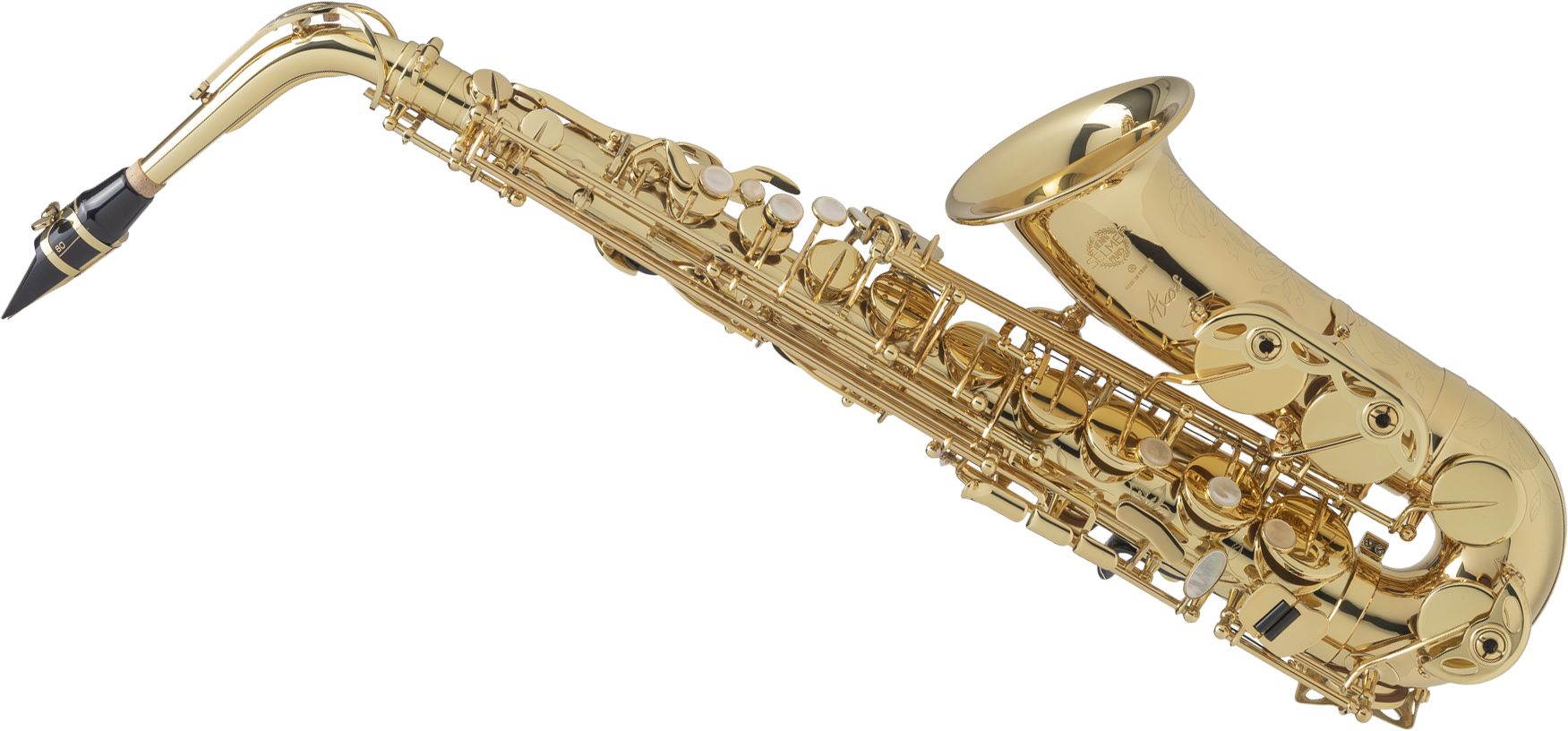
The alto saxophone serves as the family's most popular and versatile member, offering balanced technical requirements, comfortable ergonomics, and musical flexibility that makes it suitable for students, doubling musicians, and specialists across diverse musical genres.
Learning and Development Advantages
Student-Friendly Characteristics Alto saxophones provide excellent entry points into the saxophone family, with manageable size, comfortable ergonomics, and moderate breath requirements that accommodate developing players. The instrument produces satisfying musical results relatively quickly, encouraging consistent practice and musical development.
The alto's central position within the saxophone family makes it an ideal foundation for understanding saxophone technique, musical concepts, and ensemble playing that transfer effectively to other family members as players advance.
Technical Balance Alto saxophones balance technical accessibility with sophisticated musical possibilities, enabling students to achieve early success while providing long-term growth potential that supports advanced musical development. The instrument's range and dynamic capabilities accommodate both supportive ensemble roles and featured solo passages.
Ensemble Roles and Musical Functions
Concert Band Integration Alto saxophones typically anchor saxophone sections in concert bands, providing harmonic foundation while occasionally featuring in melodic passages. This balanced role teaches students ensemble awareness while developing individual musical skills and confidence.
The alto's blend characteristics enable it to bridge different instrumental families within concert band arrangements, connecting woodwind and brass sections while supporting overall ensemble balance and musical coherence.
Jazz Ensemble Applications In jazz contexts, alto saxophones often assume lead alto roles that require strong reading skills, ensemble leadership, and sophisticated harmonic understanding. This prominent position develops advanced musical skills while showcasing the instrument's expressive capabilities.
Alto saxophone jazz repertoire spans from swing era arrangements to contemporary compositions, providing extensive literature that supports musical development and performance opportunities across diverse jazz styles and historical periods.
Tenor Saxophone: Power and Expression
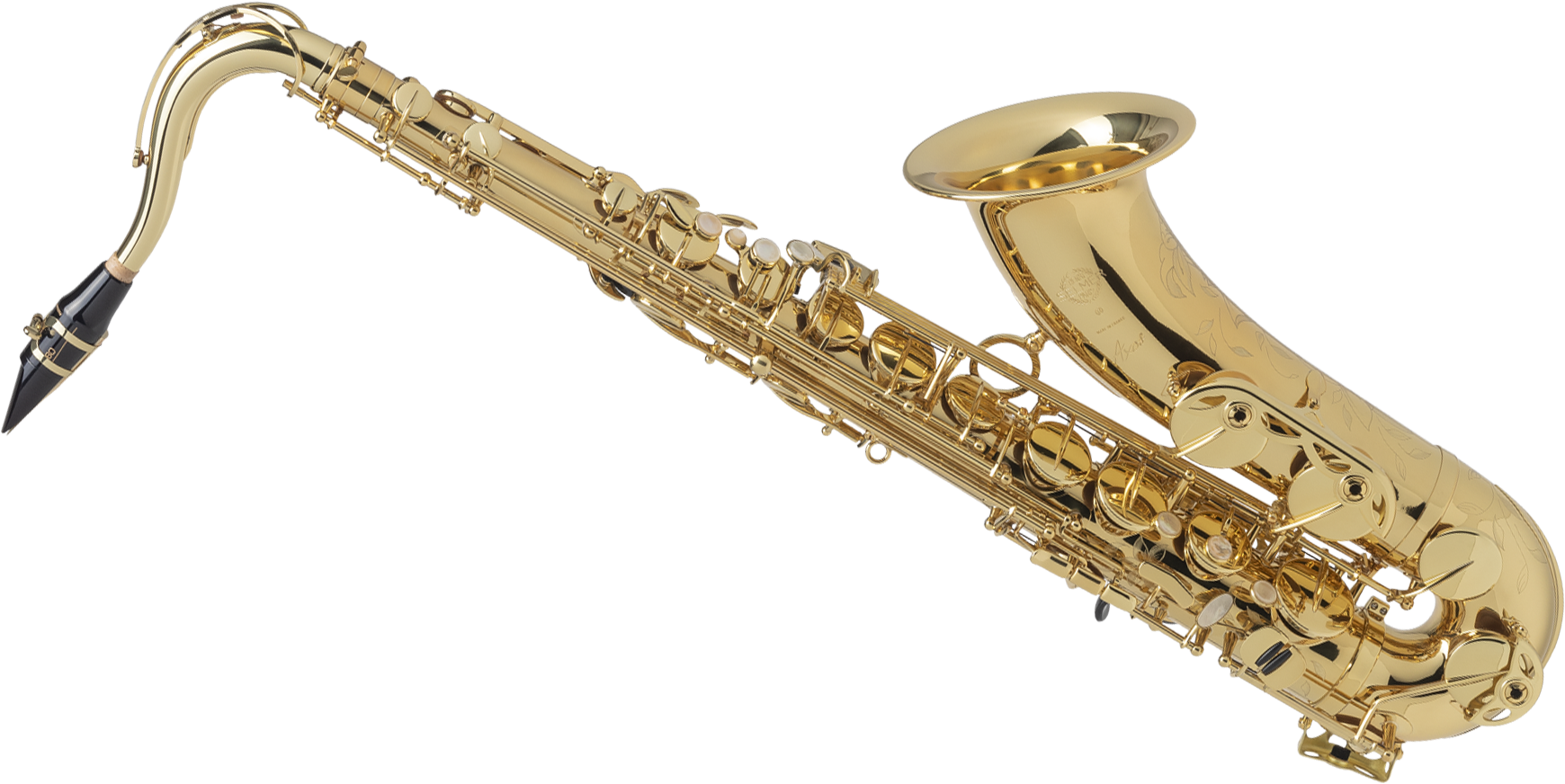
The tenor saxophone combines substantial power with exceptional expressive range, creating one of music's most recognizable and emotionally compelling voices that has defined genres and influenced musical development across multiple stylistic periods.
Sonic Characteristics and Musical Identity
Tonal Power and Projection Tenor saxophones produce rich, full-bodied tones with exceptional projection capabilities that enable them to function effectively as solo instruments and ensemble leaders. The instrument's substantial sound mass enables it to compete with brass instruments while maintaining woodwind agility and expressiveness.
The tenor's lower range provides warm, woody tones that blend beautifully with other instruments, while its upper range delivers cutting power and brilliant clarity that command attention in any musical context.
Dynamic Range and Expression Tenor saxophones offer extraordinary dynamic range from whisper-soft subtones to powerful, room-filling forte passages. This expressive flexibility enables players to explore diverse musical territories while developing sophisticated control over tone quality, dynamic shading, and musical phrasing.
Musical Heritage and Contemporary Applications
Jazz Legacy and Innovation The tenor saxophone's prominent role in jazz history, from Coleman Hawkins and Lester Young to John Coltrane and Michael Brecker, has established it as one of jazz's most important and influential voices. This rich legacy provides extensive repertoire and stylistic models that support musical development and artistic inspiration.
Contemporary jazz continues to showcase tenor saxophone innovation, with players expanding the instrument's technical and expressive boundaries while honoring its historical significance and musical traditions.
Popular Music Integration Tenor saxophones appear prominently in rock, pop, and contemporary music contexts where their powerful, emotionally charged sound adds depth and intensity to musical arrangements. From classic rock saxophone solos to contemporary pop hooks, the tenor's versatility enables it to adapt to diverse musical styles and production approaches.
Baritone Saxophone: Foundation and Character
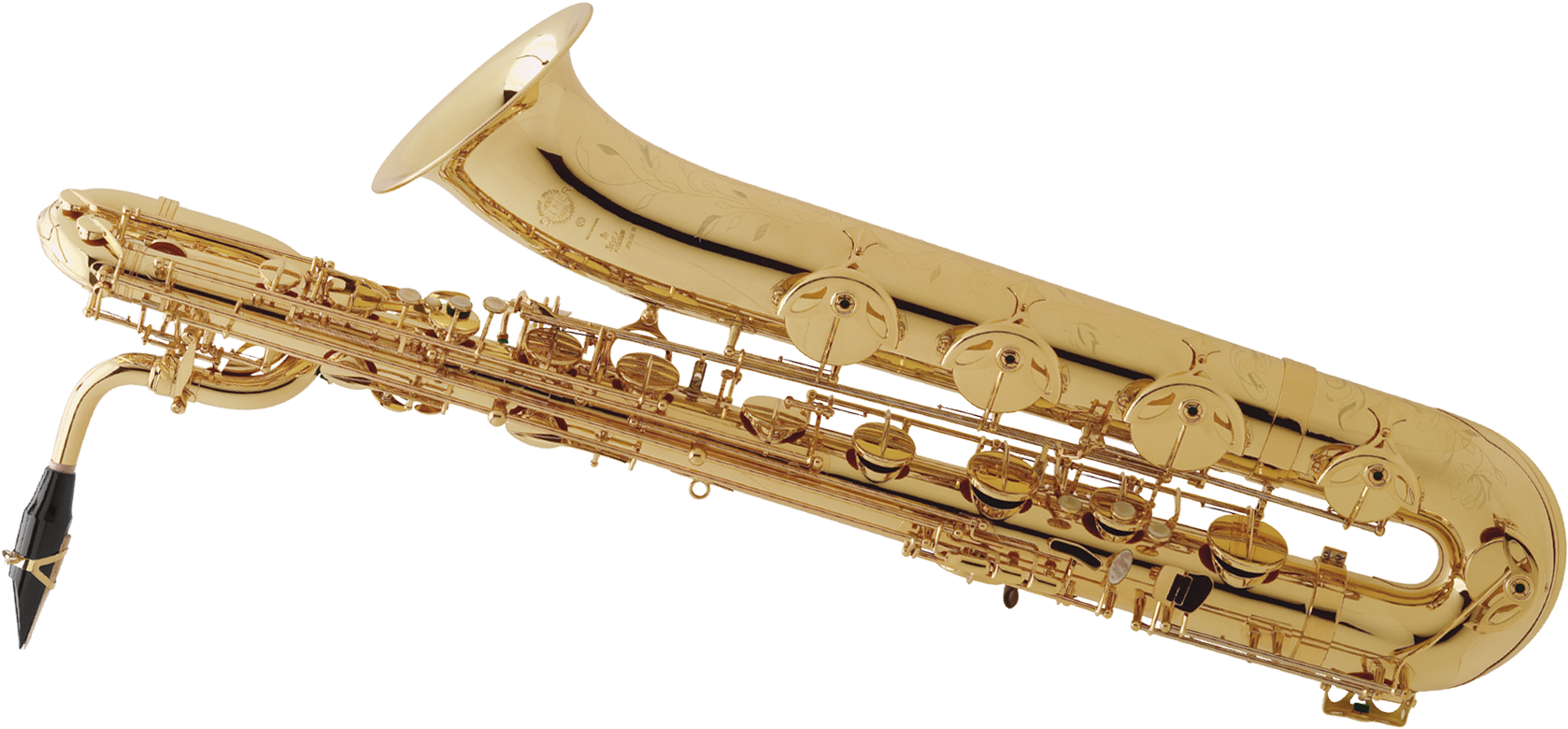
The baritone saxophone anchors the saxophone family with deep, resonant tones that provide harmonic foundation while offering unique solo capabilities that showcase the instrument's distinctive character and musical personality.
Physical and Technical Considerations
Size and Ergonomic Requirements Baritone saxophones are substantially larger and heavier than other family members, requiring additional physical considerations for comfortable playing. Modern ergonomic improvements including neck straps, balance hangers, and adjustable thumb rests help accommodate players of various sizes while maintaining playing comfort during extended performances.
The instrument's size requires adequate breath support and embouchure strength that typically develop over time with consistent practice and proper instruction. Most music educators recommend alto or tenor saxophone experience before transitioning to baritone saxophone.
Extended Range and Technical Features Many baritone saxophones include low A keys that extend the instrument's range beyond the standard low Bb, providing additional harmonic possibilities and ensemble flexibility. This extended range enables baritone saxophones to cover bass line functions while maintaining saxophone family characteristics.
Musical Functions and Ensemble Roles
Harmonic Foundation Provider Baritone saxophones excel at providing harmonic foundation in saxophone sections and mixed ensembles, offering rich, warm bass lines that support overall musical structure while maintaining the agility to participate in moving harmonic passages and countermelodies.
The instrument's substantial sound mass anchors saxophone quartets and larger ensembles while providing rhythmic drive and harmonic clarity that supports ensemble balance and musical coherence.
Solo Voice and Featured Performer Despite its supportive role in many ensemble contexts, the baritone saxophone offers compelling solo capabilities that showcase its unique timbre and expressive range. Jazz artists like Pepper Adams and Gary Smulyan have demonstrated the instrument's capacity for both powerful statements and subtle musical nuances.
Contemporary music increasingly features baritone saxophone in diverse contexts where its distinctive sound adds character and depth to musical arrangements across multiple genres and stylistic approaches.
Selecting Your Saxophone
Matching Instruments to Musical Goals
Choosing the appropriate saxophone requires understanding your musical objectives, physical considerations, and ensemble requirements that affect both immediate playing success and long-term musical development.
Student and Educational Considerations Beginning saxophone students typically achieve best results with alto saxophones that provide balanced technical requirements and comfortable ergonomics. Our detailed guide on Best Band Instruments for Elementary and Middle School Students provides additional context for young musicians beginning their musical journey with saxophone study.
Professional and Advanced Applications Advanced players often specialize in specific saxophone types that align with their musical interests and career goals, though many professional saxophonists develop proficiency across multiple family members to maximize performance opportunities and musical versatility.
Physical and Practical Factors
Size and Transportation Considerations Different saxophone sizes present varying transportation and storage requirements that affect practice convenience and performance logistics. Understanding these practical factors helps ensure consistent practice and reliable performance preparation.
Maintenance and Care Requirements All saxophones require consistent maintenance to ensure optimal performance and longevity. While maintenance principles remain consistent across the family, larger instruments may require additional care attention due to their size and complexity.
Integration with Other Instruments
Saxophone in Mixed Ensembles
Understanding how different saxophones interact with other band instruments helps musicians make informed choices about ensemble participation and musical collaboration opportunities.
Woodwind Section Balance Saxophones bridge woodwind and brass characteristics, requiring careful balance with clarinets and flutes in concert band settings while providing unique tonal colors that enhance overall ensemble palette.
Brass Section Interaction In jazz and contemporary settings, saxophones often work closely with trumpets and trombones, requiring understanding of blend characteristics and dynamic balance that supports effective ensemble integration.
Maintenance Considerations
While saxophones don't require the specialized maintenance techniques covered in our Brass Instrument Maintenance: Essential Care for Trumpet, Trombone, and Horn Players guide, they do require consistent care routines that preserve their complex key mechanisms and ensure reliable performance throughout their service life.
Discovering Your Saxophone Voice
The saxophone family offers extraordinary diversity within a cohesive instrumental framework, enabling musicians to find voices that match their musical vision while providing opportunities for continued growth and artistic development. Whether you're drawn to the brilliant precision of soprano, the versatile accessibility of alto, the powerful expression of tenor, or the foundational character of baritone saxophone, each family member offers unique musical possibilities that support lifelong artistic exploration.
Explore our comprehensive saxophone collection at Janzen Brothers to experience how different saxophone types can enhance your musical expression and performance capabilities. Our knowledgeable staff understands the unique characteristics of each saxophone family member and can guide you toward instruments that best support your musical goals and artistic aspirations.
Your saxophone journey begins with understanding the possibilities—choose the family member that resonates with your musical vision and supports your long-term artistic development and creative expression.