JB Music Co. - 22 / Feb / 2025
String Instrument Setup and Maintenance: Keeping Your Violin, Viola, or Cello Performance-Ready
Proper setup and maintenance form the foundation of exceptional string instrument performance, directly affecting sound quality, playability, and instrument longevity. Whether you own a student violin, professional cello, or concert-level instrument, understanding essential care principles ensures your string instrument continues delivering optimal performance while protecting your investment for decades of musical enjoyment and artistic expression.
At Janzen Brothers, we recognize that even the finest string instruments require consistent care and professional attention to maintain their performance characteristics and preserve their value. This comprehensive guide provides practical maintenance strategies alongside professional setup insights that help string players develop effective care routines while recognizing when expert intervention becomes necessary for optimal instrument health and performance.
The relationship between proper maintenance and musical success extends beyond simple instrument protection to encompass sound quality optimization, playability enhancement, and reliability assurance that enables confident performance in any musical context. Well-maintained string instruments respond more consistently to technique, maintain better intonation across all positions, and provide the reliability that serious musicians require for professional performance and educational advancement.
Understanding String Instrument Construction and Care Requirements
The Science of String Instrument Function

String instruments operate through complex interactions between wood components, metal hardware, and tensioned strings that create sound through vibration transmission and acoustic resonance. Understanding these fundamental relationships helps players appreciate how maintenance affects performance while recognizing the delicate balance required for optimal function.
Wood Movement and Environmental Response String instrument bodies consist of carefully selected woods that respond to environmental changes in humidity and temperature. These natural materials expand and contract with seasonal variations, affecting everything from string tension and bridge position to soundpost placement and overall tonal characteristics.
Understanding wood behavior enables proactive maintenance approaches that anticipate seasonal changes while preventing damage that can result from extreme environmental conditions or rapid climate variations that stress instrument construction.
Tension Systems and Structural Balance String instruments maintain structural integrity through carefully balanced tension systems that distribute string forces across multiple components including the bridge, soundpost, tailpiece, and neck assembly. Proper maintenance preserves these tension relationships while ensuring optimal energy transfer for maximum sound production and projection.
Critical Setup Components and Their Functions
Bridge Placement and Adjustment The bridge serves as the primary energy transfer point between strings and instrument body, making its position and condition crucial for optimal sound production and playability. Proper bridge placement affects intonation, tone quality, and string response while ensuring efficient energy transmission to the soundboard.
Bridge maintenance involves monitoring position stability, checking for warping or wear, and ensuring proper foot contact with the instrument top. Even minor bridge displacement can significantly affect intonation and sound quality, making regular assessment essential for maintaining performance standards.
Soundpost Positioning and Optimization The soundpost, a small wooden dowel positioned inside the instrument, dramatically affects tone quality, projection, and overall sound character. This critical component transmits vibrations between the instrument's top and back while providing structural support that affects the entire instrument's acoustic response.
Professional soundpost adjustment requires specialized tools and expertise, as even millimeter changes in position can dramatically alter an instrument's sound characteristics and playing response. Regular professional assessment ensures optimal positioning while preventing soundpost-related damage.
Daily and Routine Maintenance Practices
Post-Playing Care Procedures
Immediate Cleaning and Storage After each playing session, wipe down all surfaces with a clean, lint-free cloth to remove rosin dust, fingerprints, and moisture that can accumulate during practice or performance. Pay particular attention to areas around the bridge and fingerboard where rosin buildup commonly occurs.
Proper string instrument storage requires maintaining consistent environmental conditions while protecting instruments from physical damage, dust accumulation, and extreme temperature or humidity variations that can affect tuning stability and structural integrity.
String Care and Maintenance Monitor string condition regularly for signs of wear including fraying, false notes, or tuning instability that indicate replacement needs. Quality strings significantly impact instrument performance, affecting everything from tonal character and projection to playing comfort and intonation accuracy.
Replace strings systematically rather than waiting for complete failure, as worn strings can damage instrument components while providing suboptimal performance that hinders musical expression and technique development.
Weekly Deep Cleaning and Assessment
Comprehensive Cleaning Procedures Weekly cleaning involves detailed attention to all instrument surfaces, hardware components, and accessories including the bow and case interior. Use appropriate cleaning materials specifically designed for string instruments to avoid damage while effectively removing accumulated debris and contaminants.
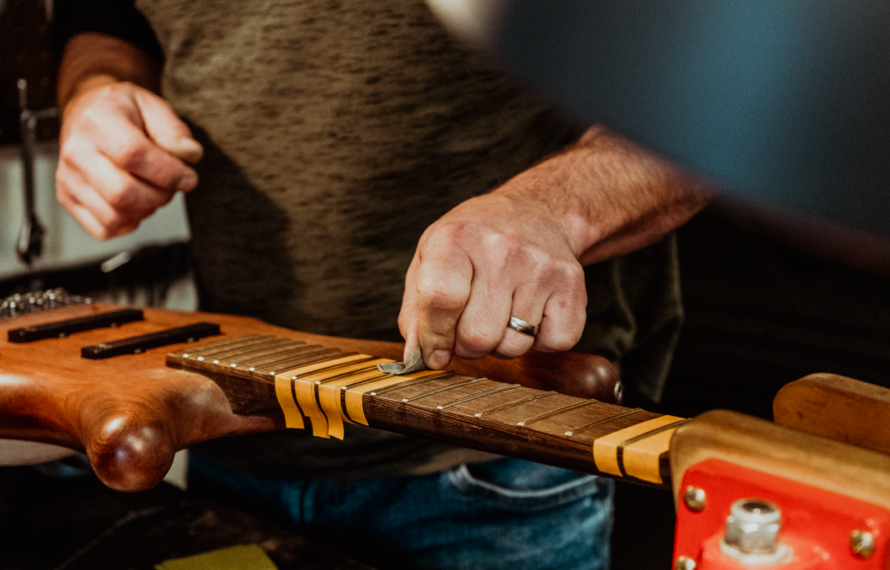
Clean the fingerboard carefully with specialized products that remove buildup without affecting the wood finish or ebony surface. Proper fingerboard maintenance preserves smooth playing surfaces while preventing groove formation that can affect intonation and playing comfort.
Hardware Inspection and Adjustment Examine all hardware components including tuning pegs, fine tuners, chinrests, and shoulder rests for proper function and secure attachment. Loose or worn hardware can affect tuning stability while potentially causing damage during normal playing activities.
Check bow condition regularly including hair tension, tip and frog function, and overall straightness. Bow maintenance directly affects playing quality and string instrument sound production, making regular assessment crucial for optimal performance.
Professional Setup Services and Advanced Maintenance
Bridge and Soundpost Optimization

Professional Bridge Fitting and Adjustment Quality violins and cellos require professional bridge fitting that optimizes foot contact, height adjustment, and positioning for maximum sound transmission and playing comfort. Proper bridge work dramatically improves instrument performance while ensuring structural integrity and longevity.
Professional bridge adjustment involves precise measurements and careful shaping that accounts for individual instrument characteristics while maintaining proper string spacing, height relationships, and intonation accuracy across all positions.
Soundpost Assessment and Positioning Expert soundpost work requires specialized tools and extensive experience to achieve optimal positioning that maximizes each instrument's acoustic potential. Professional adjustment considers instrument characteristics, playing style, and tonal preferences to create customized setups that enhance musical expression.
Soundpost positioning affects nearly every aspect of string instrument performance including volume, projection, tonal balance, and response characteristics that determine how instruments feel and sound during playing.
Seasonal Maintenance and Climate Adaptation
Humidity Control and Environmental Management String instruments require stable humidity levels between 45-55% to maintain optimal condition and prevent damage from excessive dryness or moisture. Seasonal climate variations affect instrument stability, requiring proactive management approaches that protect against cracking, warping, and other moisture-related damage.
Use instrument humidifiers during dry winter months while monitoring humidity levels with reliable hygrometers that provide accurate environmental data for informed decision-making about protection strategies and storage conditions.
Temperature Stability and Gradual Adaptation Avoid exposing string instruments to rapid temperature changes that can cause finish damage, structural stress, and tuning instability. Allow instruments to acclimate gradually when moving between different temperature environments, particularly during winter months when indoor/outdoor temperature differences are extreme.
Proper temperature management prevents finish checking, glue joint failure, and other temperature-related damage while maintaining optimal playing conditions and structural integrity throughout seasonal variations.
Advanced Setup Considerations
Neck Angle and Fingerboard Relationship
Projection and String Height Optimization Proper neck angle affects string height, playing comfort, and sound projection while determining how easily advanced techniques can be executed across the fingerboard. Professional assessment ensures optimal geometry that balances playability with maximum acoustic efficiency.
Neck angle problems require expert evaluation and potential adjustment that may involve significant repair work. Understanding these relationships helps players recognize when professional intervention becomes necessary for optimal instrument function.
Fingerboard Dressing and Maintenance Fingerboards require periodic dressing to maintain smooth surfaces and proper curvature that supports accurate intonation and comfortable playing. Professional fingerboard work removes wear patterns while restoring optimal playing characteristics that enhance technique execution and musical expression.
Proper fingerboard maintenance extends instrument life while ensuring consistent playing surfaces that support advanced technique development and confident performance across all positions and musical contexts.
Tailpiece and Fine Tuner Systems
Hardware Selection and Optimization Different tailpiece designs and materials affect instrument weight distribution, tonal characteristics, and tuning convenience. Professional selection considers individual instrument characteristics while accommodating player preferences and performance requirements.
Fine tuner systems should operate smoothly while maintaining stable tuning under normal playing conditions. Quality hardware enhances playing convenience while supporting reliable performance that meets professional standards and educational requirements.
String Selection and Installation
Premium String Options and Characteristics
String Material and Construction Impact String selection dramatically affects instrument tone, projection, and playing characteristics, making informed choices crucial for optimizing individual instrument potential. Different string materials including steel, synthetic core, and gut options provide varying tonal qualities and playing responses.
Professional string installation ensures proper winding technique, optimal tension distribution, and break-in procedures that maximize string life while achieving stable tuning and optimal performance characteristics from the first playing session.
Matching Strings to Instrument Characteristics Individual instruments respond differently to various string types, making experimentation and professional guidance valuable for achieving optimal tonal balance and playing comfort. Consider instrument age, construction quality, and individual acoustic characteristics when selecting strings.
Understanding how strings interact with specific instruments helps optimize setup choices while ensuring compatibility between string characteristics and individual instrument acoustics that enhance rather than compromise natural tonal qualities.
Bow Maintenance and Optimization
Hair and Tension Management
Proper Hair Tension and Care Bow hair requires proper tension adjustment for optimal grip and string contact while avoiding over-tightening that can damage the bow stick or affect playing characteristics. Learn appropriate tension levels for different playing situations while maintaining bow health and longevity.
Regular bow rehairing ensures optimal playing characteristics while preventing damage that can result from worn or broken hair. Professional rehairing services optimize hair distribution and tension while ensuring proper tip and frog function.
Bow Stick Care and Preservation Protect bow sticks from impacts, extreme temperatures, and moisture exposure that can affect straightness and structural integrity. Proper bow storage and handling prevents damage while maintaining optimal playing characteristics throughout the bow's service life.
Monitor bow straightness and camber regularly while addressing any changes that might affect playing quality or indicate structural problems requiring professional attention and potential repair services.
Instrument Storage and Transportation
Case Selection and Optimization
Protection and Climate Control Quality cases provide essential protection during storage and transportation while offering climate control features that maintain stable environmental conditions. Invest in cases appropriate for your instrument value and usage patterns while ensuring adequate protection for specific performance and travel requirements.
Modern case technology includes humidity control systems, temperature monitoring, and impact protection that preserve instrument condition while enabling confident transportation to lessons, rehearsals, and performances across diverse environmental conditions.
Security and Convenience Features Choose cases that balance protection with convenience features including multiple carrying options, accessory storage, and security systems that protect valuable instruments while supporting efficient transportation and setup procedures.
Consider how case selection affects daily practice routines and performance preparation while ensuring adequate protection for long-term instrument preservation and value retention.
Educational Applications and Student Guidance
Teaching Maintenance Skills
Age-Appropriate Responsibility Development Students benefit from learning maintenance skills appropriate to their developmental level while building responsibility for instrument care that supports long-term musical success. Start with basic cleaning and storage procedures while gradually introducing more complex care concepts.
Understanding proper instrument sizing enhances maintenance effectiveness, which our comprehensive guide String Instrument Size Guide: Choosing the Right Violin, Viola, or Cello for Students explores thoroughly, providing essential context for student instrument care and development.
Parental Involvement and Support Parents play crucial roles in supporting student instrument maintenance, particularly during early learning stages when students develop care habits and responsibility for expensive instruments that require consistent attention and proper handling.
Modern Applications and Technology Integration
Electronic Integration and Amplification
Pickup System Installation and Maintenance Contemporary string players increasingly use amplification systems for performance and recording applications that require specialized installation and maintenance considerations. Understanding how electronics integrate with acoustic instruments helps preserve natural characteristics while meeting modern performance requirements.
Our detailed exploration of Amplifying String Instruments: Pickup Systems for Performance and Recording provides comprehensive information about integrating traditional string instruments with modern technology while maintaining optimal acoustic performance and instrument integrity.
Recording and Studio Considerations String instruments used for recording applications require optimal setup and maintenance that ensures consistent performance characteristics while meeting professional recording standards for tone quality, intonation, and dynamic response.
Building Long-Term Instrument Relationships
Investment Protection and Value Preservation
Professional Service Relationships Developing relationships with qualified repair professionals and setup specialists ensures ongoing instrument care while protecting long-term value and performance characteristics that support musical development and artistic achievement.
Maintenance Planning and Budgeting Understanding maintenance costs and scheduling helps plan instrument care budgets while ensuring consistent attention that prevents minor issues from becoming major problems requiring expensive repairs or restoration services.
Professional Support and Expertise
Understanding proper string instrument setup and maintenance empowers you to protect your investment while ensuring optimal performance throughout your musical journey. Whether you're caring for student instruments or maintaining professional-grade strings, these essential practices support reliable performance and long-term instrument health.
Explore our comprehensive orchestral instrument collection at Janzen Brothers to discover string instruments that combine exceptional performance with maintainable design. Our experienced staff provides ongoing setup and maintenance support that keeps your string instruments performing at their peak while protecting your musical investment.
Your string instrument deserves care that matches your musical dedication—develop maintenance habits and professional relationships that support both instrument longevity and musical excellence throughout your performance career.