JB Music Co. - 01 / Mar / 2025
String Instrument Size Guide: Choosing the Right Violin, Viola, or Cello for Students
Selecting the correct size string instrument for young musicians represents one of the most critical decisions affecting their musical development, playing comfort, and long-term success. An improperly sized instrument can hinder technique development, cause physical discomfort, and potentially discourage continued musical study, while the right size enables natural learning progression and enjoyable practice experiences that foster lifelong musical passion.
At Janzen Brothers, we understand that string instrument sizing involves more than simple measurements—it requires understanding how physical development, playing technique, and musical goals interact to determine optimal instrument dimensions. This comprehensive guide provides practical guidance for parents, students, and educators navigating the complex process of selecting appropriately sized violins, violas, and cellos that support successful musical development while accommodating the unique needs of growing musicians.
The relationship between instrument size and musical success cannot be overstated. Young string players using properly sized instruments develop correct posture, efficient bow technique, and accurate intonation more easily than those struggling with instruments that are too large or small. Understanding sizing principles enables informed decisions that protect students' physical wellbeing while optimizing conditions for rapid skill development and musical enjoyment.
Understanding String Instrument Sizing Fundamentals
The Science of Proportional Fit
String instrument sizing follows established proportional relationships between student physical dimensions and instrument measurements that ensure comfortable reach, proper posture, and efficient technique development. These proportions have evolved through centuries of pedagogical experience and reflect the biomechanical requirements for healthy, effective string playing across all skill levels.
Arm Length and Reach Considerations The primary factor determining appropriate instrument size is the student's arm length and reach capabilities, which affect their ability to hold the instrument comfortably while maintaining proper left-hand position for fingering and right-hand position for bowing. Proper sizing enables students to reach all positions on the fingerboard without strain while maintaining relaxed, efficient posture.
Physical Development and Growth Patterns Children's growth patterns vary significantly, making chronological age an unreliable indicator of appropriate instrument size. Some students may require size changes multiple times during their development, while others may use the same size for several years depending on their individual growth patterns and physical characteristics.
Comfort and Technique Interaction Properly sized instruments enable students to focus on musical learning rather than physical accommodation, creating optimal conditions for technique development and musical expression. When students can hold their instruments comfortably, they develop proper habits more quickly while avoiding the compensatory movements that can lead to poor technique and potential injury.
Measuring Students for Appropriate Sizing
Arm Length Assessment The most reliable method for determining appropriate string instrument size involves measuring the student's arm length from neck to palm while the arm is extended. This measurement provides accurate information about reach capabilities that directly correlate with instrument size requirements.
Professional fitting involves having students hold instruments in proper playing position while assessing comfort, reach, and posture to ensure optimal sizing that supports both immediate comfort and long-term technique development.
Posture and Position Evaluation Proper instrument sizing enables students to maintain healthy posture without strain or compensation. The instrument should feel balanced and secure while allowing natural, relaxed positioning of both arms and hands during playing.
Violin Sizing: Precision for Young Players
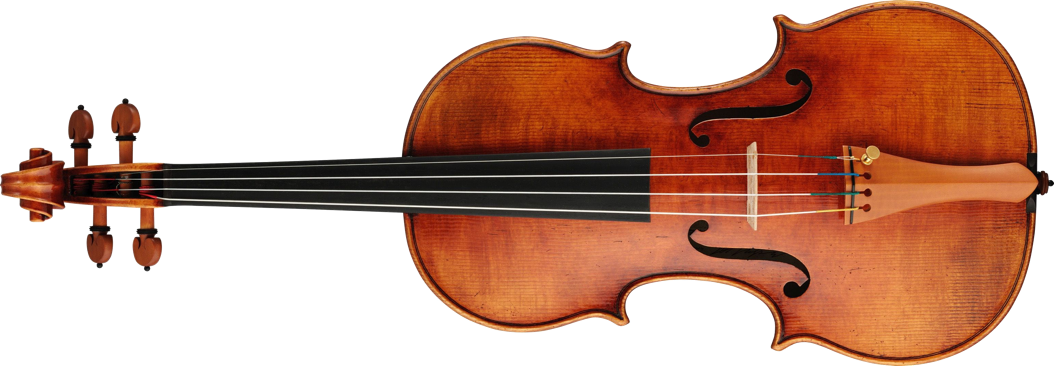
Standard Violin Size Categories
Violins are available in multiple fractional sizes designed to accommodate students from early childhood through adult dimensions, ensuring appropriate fit throughout the developmental process while maintaining authentic playing experiences and sound quality.
1/4 Size Violins (Ages 4-6) Quarter-size violins typically suit students aged 4-6 years with arm lengths of approximately 17-20 inches. These instruments provide authentic violin playing experiences scaled appropriately for very young students while maintaining proper proportional relationships and sound quality that support serious musical study.
The 1/4 violin enables proper bow hold development and left-hand positioning that forms the foundation for advanced technique, making it crucial that these smaller instruments maintain quality construction and setup standards comparable to larger sizes.
1/2 Size Violins (Ages 6-8) Half-size violins accommodate students aged 6-8 years with arm lengths of approximately 20-22 inches. This size represents a common starting point for many elementary string programs while providing adequate playing range and tonal capabilities for early repertoire and technique development.
Students using 1/2 size violins can typically access basic positions and develop fundamental bowing techniques without the physical strain that larger instruments might impose during crucial early learning stages.
3/4 Size Violins (Ages 9-11) Three-quarter size violins suit students aged 9-11 years with arm lengths of approximately 22-23.5 inches. This size enables access to intermediate repertoire while maintaining comfortable playing positions that support advancing technique requirements and more sophisticated musical expression.
Many students remain on 3/4 size violins for several years as their technique develops, making this size particularly important for supporting continued musical growth during critical intermediate development stages.
7/8 Size Violins (Ages 11-13) Seven-eighth size violins provide transition sizing for students approaching adult dimensions but not quite ready for full-size instruments. This intermediate size accommodates students with arm lengths of approximately 23.5-24.5 inches while providing nearly full tonal capabilities and playing range.
Full Size (4/4) Violins (Ages 12+) Full-size violins suit students with arm lengths exceeding 24.5 inches and represent the standard adult size used throughout professional and advanced amateur performance contexts. The transition to full-size typically occurs during middle or high school years, depending on individual growth patterns.
Violin Sizing Assessment Techniques
Proper Holding Position Test Students should be able to hold the violin in proper playing position with the scroll resting comfortably in their left palm while their fingers can reach around the neck without strain. The chin rest should align naturally with their jaw while maintaining comfortable head position.
Fingerboard Reach Evaluation Students should be able to reach fourth position (approximately halfway up the fingerboard) without shifting their left shoulder or compromising their bow arm position. This reach capability indicates appropriate sizing for advancing technique development.
Cello Sizing: Accommodating Larger Instruments
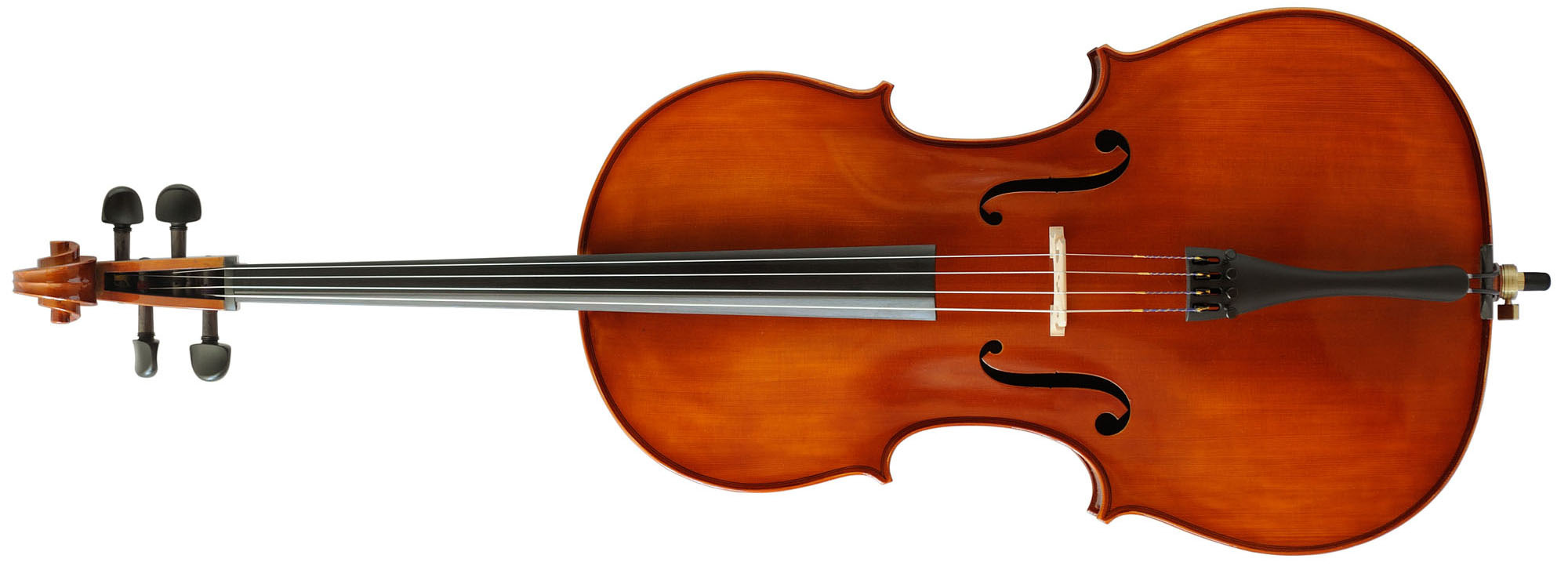
Cello Size Standards and Applications
Cellos require different sizing approaches due to their larger dimensions and seated playing position, making student assessment particularly important for ensuring comfortable fit and proper technique development throughout the learning process.
1/4 Size Cellos (Ages 4-6) Quarter-size cellos accommodate very young students while maintaining authentic cello proportions and playing characteristics. These instruments enable proper bow hold development and left-hand positioning despite their compact dimensions, providing genuine cello experiences for beginning students.
The seated playing position requires careful attention to endpin adjustment and chair height to ensure proper posture and comfortable reach for small students learning fundamental cello techniques.
1/2 Size Cellos (Ages 6-10) Half-size cellos serve students throughout elementary years while providing sufficient tonal capabilities for intermediate repertoire and technique development. This size enables access to thumb position and upper register playing that characterizes advancing cello technique.
Students using 1/2 size cellos can typically participate fully in school orchestra programs while developing the fundamental skills necessary for eventual transition to larger instruments as they grow.
3/4 Size Cellos (Ages 10-14) Three-quarter size cellos accommodate students during crucial middle school years when technique becomes more sophisticated and repertoire demands increase. This size provides nearly full tonal capabilities while maintaining comfortable dimensions for developing players.
Many students remain on 3/4 size cellos throughout middle school, making this size particularly important for supporting ensemble participation and advanced technique development during formative musical years.
7/8 Size Cellos (Ages 12-16) Seven-eighth size cellos provide intermediate sizing for students approaching adult dimensions while offering full tonal capabilities and professional-level performance characteristics. This size works particularly well for smaller adults and advanced students not quite ready for full-size instruments.
Full Size (4/4) Cellos (Ages 14+) Full-size cellos represent standard adult dimensions and provide complete tonal range and projection capabilities required for advanced repertoire and professional performance applications.
Cello Sizing Assessment Methods
Seated Position Evaluation Students should be able to sit comfortably with the cello positioned between their knees while their left hand can reach around the neck without strain. The C-peg should align approximately with their left ear when properly positioned.
Bow Arm Assessment The student's bow arm should be able to reach the tip of the bow to the bridge area without overextending while maintaining proper elbow position and shoulder alignment throughout the bowing motion.
Fingerboard Navigation Students should be able to reach thumb position (approximately one octave above open strings) comfortably while maintaining proper left-hand frame and posture throughout the shifting motion.
Practical Sizing Considerations
Growth Patterns and Upgrade Timing
Individual Development Variations Students grow at different rates, making regular size assessment important for maintaining optimal fit throughout their development. Some students may require multiple size changes during elementary and middle school years, while others may use the same size for extended periods.
Gradual Transition Approaches Size transitions should occur gradually when students can comfortably handle larger instruments without strain or technique compromise. Premature sizing up can hinder development, while delayed transitions may limit musical progress and comfort.
Rental vs. Purchase Decisions
Rental Program Benefits Rental programs provide access to quality student instruments while offering flexibility for size changes and upgrades throughout student development. These programs often include maintenance services and replacement options that support consistent musical progress.
Purchase Timing Considerations Purchasing becomes more practical when students reach stable sizing (typically 3/4 or full-size) and demonstrate long-term commitment to musical study. Understanding when to transition from rental to ownership helps optimize investment timing and value.
Quality and Setup Considerations
Maintaining Standards Across Sizes
Construction Quality Standards Student-size instruments should maintain quality construction standards that ensure reliable performance, proper intonation, and authentic sound production regardless of their smaller dimensions. Poor quality fractional instruments can hinder development and discourage continued study.
Professional Setup Requirements All student instruments require professional setup including proper bridge adjustment, soundpost positioning, and string installation that optimizes performance characteristics while ensuring comfortable playability and reliable tuning stability.
Understanding proper setup and maintenance practices helps protect instrument investments while ensuring optimal performance, which our comprehensive guide String Instrument Setup and Maintenance: Keeping Your Violin, Viola, or Cello Performance-Ready explores thoroughly.
Supporting Long-Term Musical Development
Educational Integration and Teacher Collaboration
School Program Coordination Working with music educators ensures instrument sizing aligns with program requirements while supporting successful ensemble participation and technique development within structured educational contexts.
Progress Monitoring and Assessment Regular assessment of sizing appropriateness helps ensure instruments continue supporting musical development while identifying optimal timing for size transitions and upgrades.
Modern Applications and Technology Integration
Contemporary Performance Contexts Student string players increasingly participate in diverse musical contexts that may require amplification or recording capabilities. Understanding how sizing affects modern applications helps prepare students for contemporary musical opportunities.
Our exploration of Amplifying String Instruments: Pickup Systems for Performance and Recording provides comprehensive information about integrating traditional string instruments with modern technology while maintaining authentic acoustic characteristics.
Making Informed Sizing Decisions
Assessment and Professional Guidance
Expert Evaluation Benefits Professional assessment from experienced string teachers or knowledgeable retailers ensures accurate sizing while providing guidance about timing for transitions and upgrades that support optimal musical development.
Ongoing Monitoring and Adjustment Regular size evaluation helps ensure instruments continue supporting comfortable playing and technique development while identifying opportunities for advancement that enhance musical progress.
Family and Educational Planning
Budget and Timeline Considerations Understanding sizing progression helps families plan instrument investments while coordinating with educational milestones and musical development goals that affect long-term commitment and success.
Support System Development Building relationships with teachers, retailers, and other musical families creates support networks that facilitate successful string instrument experiences while providing guidance throughout the sizing and development process.
Finding Your Student's Perfect Fit
Proper string instrument sizing creates the foundation for successful musical development while ensuring comfortable, enjoyable learning experiences that inspire continued musical growth. Whether your student is beginning their string journey or transitioning to larger instruments, appropriate sizing supports both immediate comfort and long-term technique development.
Explore our comprehensive orchestral instrument collection at Janzen Brothers to discover quality student instruments in all appropriate sizes while receiving expert sizing guidance from our knowledgeable staff. Our commitment to student success includes professional sizing assessment, quality instrument selection, and ongoing support that ensures your student's instrument enhances rather than hinders their musical development.
Your student's musical journey deserves an instrument that fits perfectly—schedule a professional sizing consultation to discover the ideal instrument that will support years of musical growth, technique development, and artistic expression.