JB Music Co. - 27 / May / 2025
The Complete Guide to Choosing Your First Guitar: Acoustic vs. Electric for Beginners
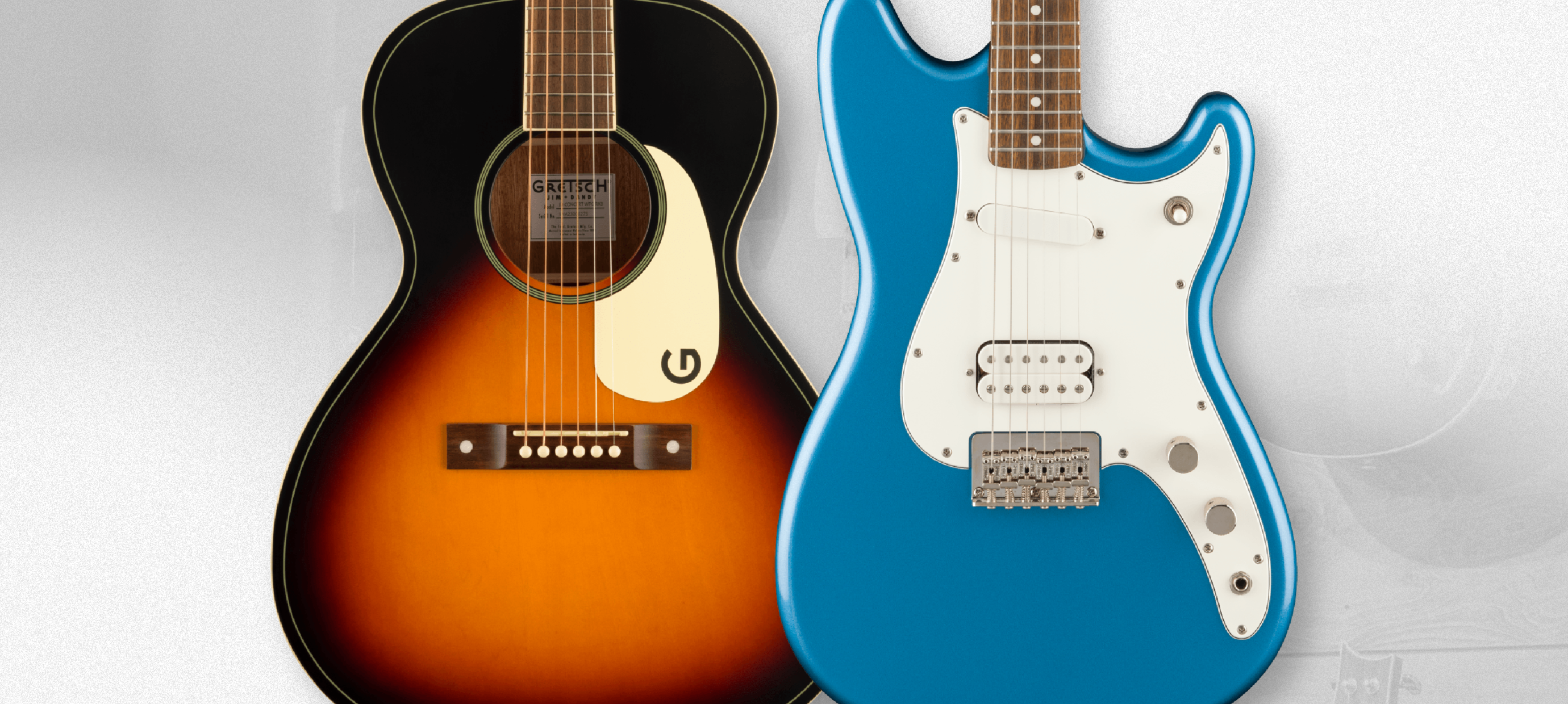
Choosing your first guitar is one of the most exciting decisions you'll make as an aspiring musician. The instrument you select will shape your playing experience, influence your musical development, and potentially become a lifelong companion. At Janzen Brothers, we understand that the acoustic versus electric guitar debate often overwhelms beginners, which is why we've created this comprehensive guide to help you make an informed decision.
The choice between acoustic and electric guitars isn't simply about sound—it encompasses learning style, musical goals, practice environment, budget considerations, and long-term aspirations. Both instrument types offer unique advantages and challenges that can significantly impact your musical journey.
Understanding Acoustic Guitars: The Foundation of Musical Expression
Acoustic guitars generate sound through the natural resonance of their hollow wooden bodies, requiring no amplification to produce music. This fundamental characteristic makes them incredibly versatile and accessible instruments for beginners.
Advantages of Starting with an Acoustic Guitar
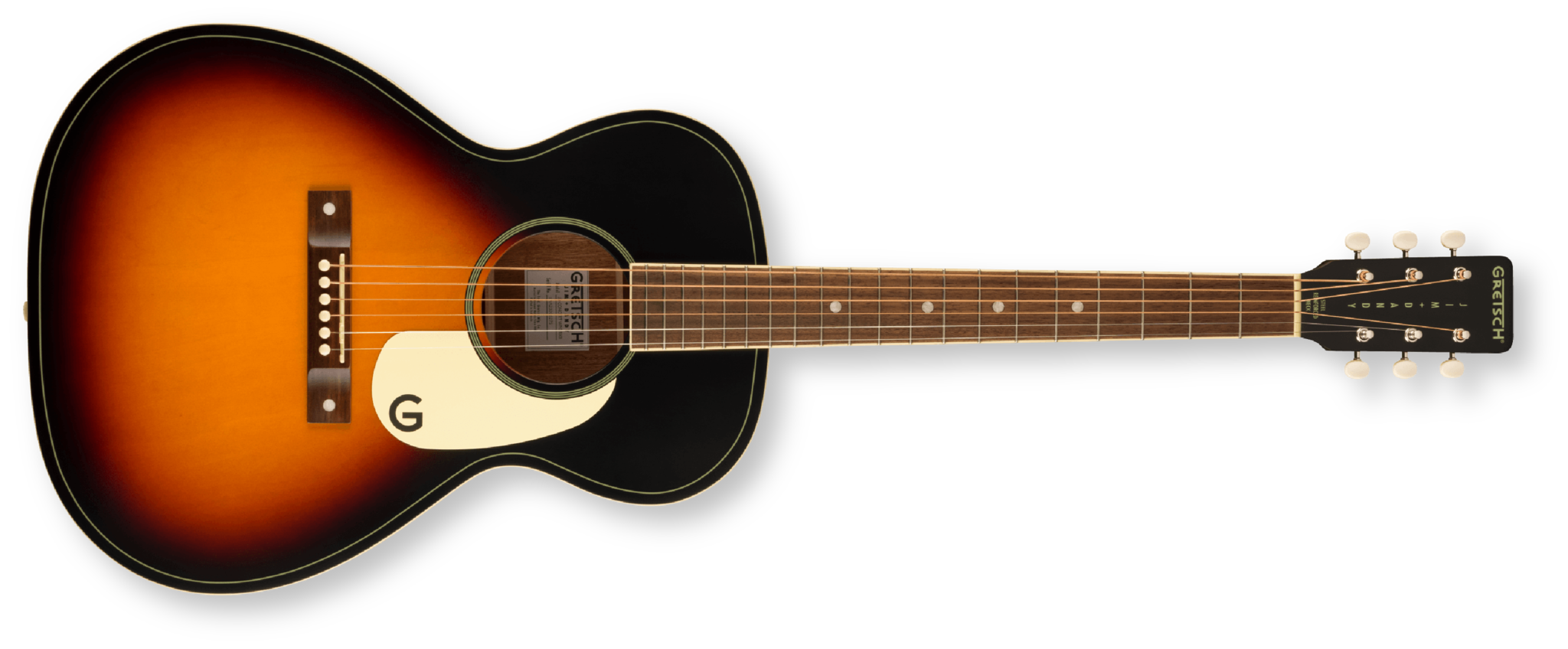
Immediate Accessibility and Convenience Acoustic guitars offer unparalleled convenience for new players. You can pick up the instrument and play anywhere, anytime, without worrying about amplifiers, cables, or electrical outlets. This accessibility encourages frequent practice sessions, which is crucial for developing muscle memory and technique during the early learning stages.
Developing Proper Technique and Finger Strength The higher string action and increased finger pressure required for acoustic guitars naturally develop stronger fretting hand technique. Many guitar instructors recommend starting acoustically because it builds fundamental skills that translate seamlessly to electric guitars later. The physical demands of acoustic playing create a solid technical foundation that benefits all future guitar endeavors.
Focus on Core Musical Elements Without the distraction of effects, amplifiers, and electronic complexity, acoustic guitars encourage beginners to focus on essential musical elements like chord progressions, rhythm, and melody. This concentrated approach often leads to more well-rounded musical development and deeper understanding of songwriting fundamentals.
Budget-Friendly Entry Point Quality acoustic guitars typically require lower initial investment compared to electric guitar setups. You won't need to purchase amplifiers, cables, or effects pedals, making acoustic guitars an economical choice for testing your commitment to learning guitar.
Potential Drawbacks of Acoustic Guitars for Beginners
Physical Demands The higher string tension and action of acoustic guitars can initially cause finger soreness and fatigue. Some beginners find the physical requirements challenging, particularly younger players or those with smaller hands. However, proper technique and gradual practice typically overcome these initial obstacles.
Limited Tonal Variety While acoustic guitars produce beautiful natural tones, they offer less tonal flexibility compared to electric guitars. Beginners interested in rock, metal, or heavily processed sounds might find acoustic guitars limiting for their preferred musical styles.
Exploring Electric Guitars: The Gateway to Modern Music
Electric guitars rely on magnetic pickups and amplification to convert string vibrations into electrical signals, creating sound through speakers. This electronic foundation opens vast tonal possibilities and connects directly to contemporary music production.
Advantages of Starting with an Electric Guitar
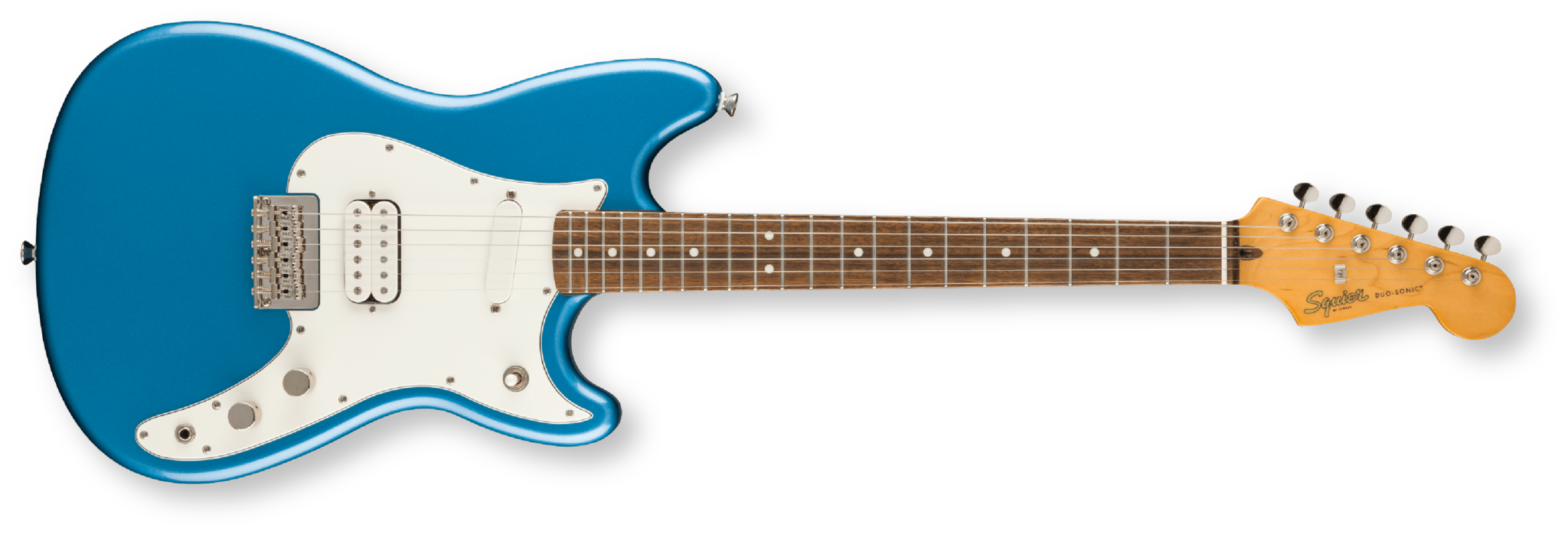
Easier Physical Playing Experience Electric guitars typically feature lower string action and lighter gauge strings, making them physically easier to play than acoustic guitars. The reduced finger pressure requirements can help beginners avoid early frustration and finger pain, potentially encouraging longer practice sessions.
Unlimited Tonal Possibilities Electric guitars offer incredible sonic versatility through amplifier settings, effects pedals, and pickup configurations. Beginners can experiment with clean tones, distortion, reverb, delay, and countless other effects, discovering their preferred sounds and musical styles more quickly.
Volume Control Advantages Electric guitars can be played at whisper-quiet levels through headphone amplifiers or practice amps, making them ideal for apartment living or late-night practice sessions. This volume flexibility often results in more consistent practice schedules.
Direct Connection to Popular Music Most contemporary popular music features electric guitars prominently. Beginners interested in rock, pop, jazz, blues, or metal will find electric guitars more directly applicable to their musical interests and goals.
Potential Drawbacks of Electric Guitars for Beginners
Higher Initial Investment Electric guitar setups require additional equipment beyond the instrument itself. Quality amplifiers, cables, and potential effects pedals increase the initial cost significantly. Budget-conscious beginners might find the total investment prohibitive.
Technical Complexity The electronic nature of electric guitars introduces technical elements that can overwhelm beginners. Understanding amplifier settings, pickup positions, and effect parameters adds complexity that might distract from fundamental musical learning.
Dependency on Equipment Electric guitars are essentially silent without amplification, creating dependency on functioning equipment. Equipment failures, forgotten cables, or power outages can interrupt practice sessions and performances.
Musical Style Considerations: Matching Instruments to Aspirations
Your musical preferences should heavily influence your first guitar choice. Different genres traditionally favor specific guitar types, though modern music increasingly blurs these boundaries.
Acoustic-Favored Genres Folk, country, singer-songwriter, classical, and unplugged arrangements typically showcase acoustic guitars prominently. If you're drawn to artists like Johnny Cash, Joni Mitchell, or Ed Sheeran, acoustic guitars align naturally with these musical styles.
Electric-Favored Genres Rock, metal, jazz, blues, and pop music predominantly feature electric guitars. Artists like Jimi Hendrix, Eric Clapton, and modern rock bands rely heavily on electric guitar tones and techniques.
For deeper insight into how different guitar styles complement various musical traditions, explore our guide on From Campfire to Concert Hall: Matching Guitar Styles to Canadian Musical Traditions, which examines how guitar choice impacts musical expression across different contexts.
Physical Considerations: Finding Your Perfect Fit
Guitar selection should account for your physical characteristics and comfort preferences. Body size, neck width, and overall instrument dimensions significantly impact playability and enjoyment.
Body Size and Comfort Acoustic guitars come in various body sizes, from compact travel guitars to full-size dreadnoughts. Smaller players might prefer concert or auditorium body sizes, while larger individuals often gravitate toward jumbo and dreadnought shapes.
Electric guitars typically feature more compact body designs, making them comfortable for most players regardless of size. The thinner bodies and lighter weights reduce physical strain during extended playing sessions.
Neck Profiles and Fretboard Considerations Neck shape dramatically affects playing comfort and technique development. Our comprehensive guide on Guitar Neck Profiles and Fretboard Materials: Finding Your Perfect Feel provides detailed information about how construction details impact your playing experience.
Budget Planning: Understanding True Costs
Successful guitar purchasing requires understanding both immediate and ongoing costs associated with each instrument type.
Acoustic Guitar Budget Breakdown Quality beginner acoustic guitars range from $200-600, with additional costs for cases, picks, straps, and potential setup adjustments. The lower ongoing costs make acoustic guitars economically attractive for budget-conscious beginners.
Electric Guitar Budget Breakdown Electric guitar setups typically require $400-800 initial investment, including the instrument, amplifier, cables, and basic accessories. Ongoing costs might include replacement tubes, effects pedals, and amplifier maintenance.
Alternative Options: Expanding Your Horizons
While acoustic and electric guitars dominate beginner discussions, other guitar types offer unique advantages worth considering.
Classical Guitars - Classical guitars feature nylon strings and wider necks, making them gentler on fingers while providing excellent foundations for fingerpicking techniques and formal music education.
Bass Guitars - Some beginners gravitate toward bass guitars for their rhythmic focus and fundamental role in band settings. Bass playing offers unique musical satisfaction and often provides more immediate ensemble opportunities.
Specialty Options - Left-handed players should explore our dedicated left-handed guitar selection, while those interested in unique tones might consider resonator guitars for their distinctive metallic sound.
Making Your Decision: A Practical Approach
The best first guitar is the one that inspires you to play consistently and pursue your musical goals with enthusiasm. Consider these final recommendations:
Choose Acoustic If:
- You prefer unplugged, intimate musical settings
- Budget constraints limit your initial investment
- You want to focus on songwriting and chord-based music
- Volume control isn't a primary concern
- You're drawn to folk, country, or singer-songwriter styles
Choose Electric If:
- You're passionate about rock, pop, jazz, or blues music
- Volume control is essential for your living situation
- You're excited about exploring effects and sound manipulation
- Physical ease of playing is a priority
- You have budget flexibility for additional equipment
Your Journey Begins at Janzen Brothers
Selecting your first guitar marks the beginning of an incredible musical adventure. Whether you choose acoustic or electric, the most important factor is finding an instrument that inspires you to play regularly and explore your musical potential.
Visit our comprehensive guitar collection to explore all available options, or contact our knowledgeable staff for personalized recommendations based on your specific needs and goals. At Janzen Brothers, we're committed to helping every musician find their perfect instrument and supporting their musical journey from the very first chord.