Tim Wall - 18 / Jun / 2020
The Differences Between Dynamic And Condenser Microphones
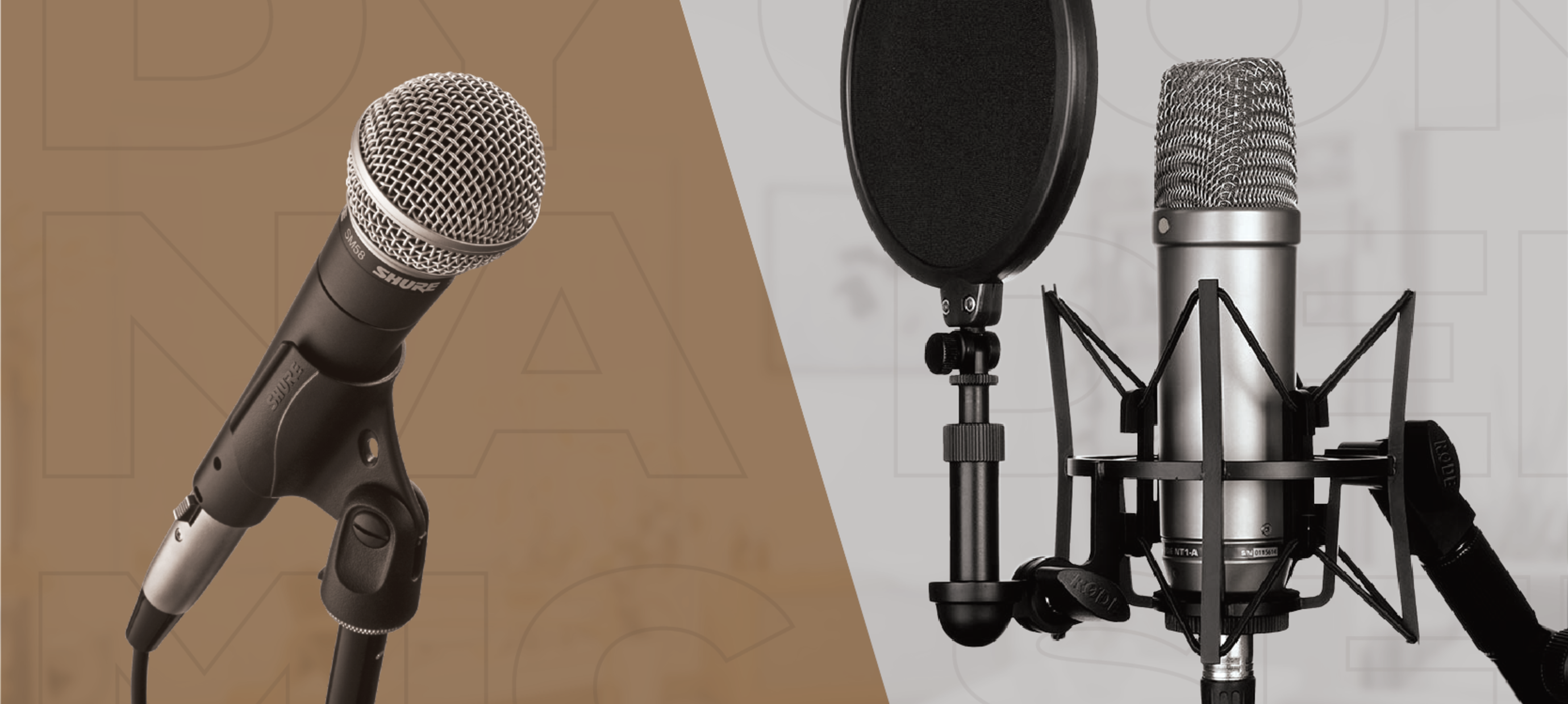
When shopping for a new microphone, you might quickly notice that there isn’t only a huge selection of microphones to choose from, but several different styles of microphones as well, each optimized for different uses. Among others, there are two main styles that are most often talked about, Dynamic and Condenser.
Here’s a brief look at the differences between the two.
Dynamic Microphones
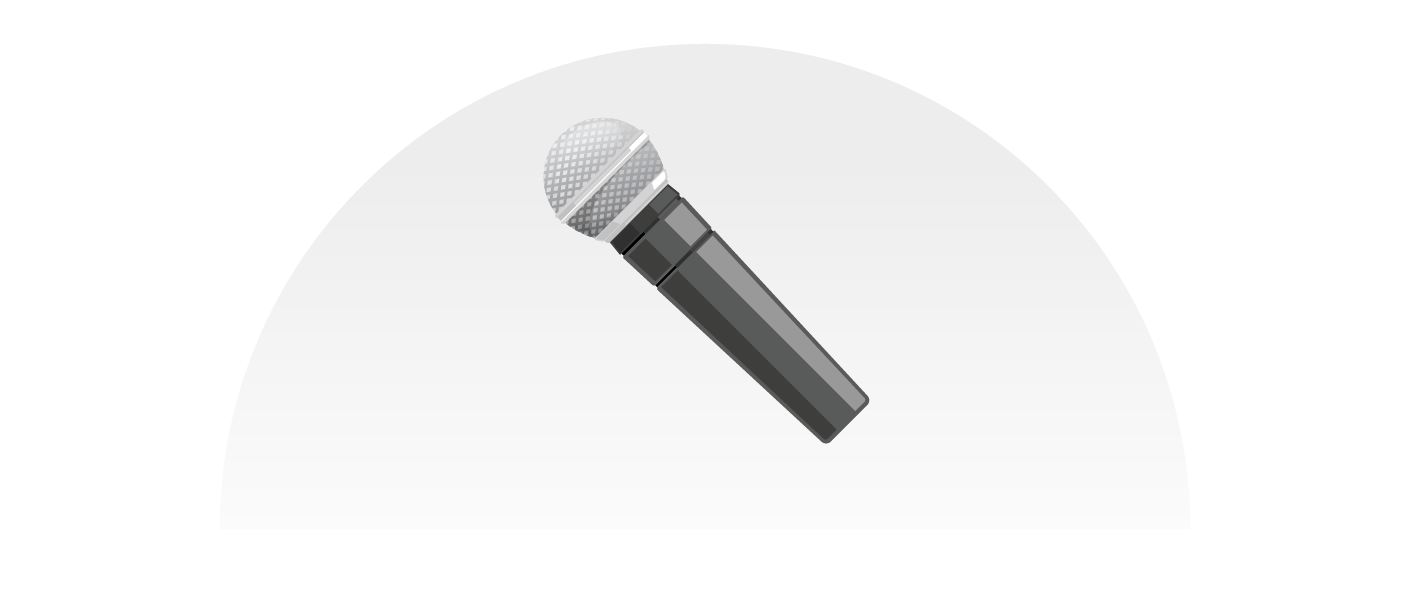
The Dynamic microphone is a great all-around microphone that is widely known for its simplicity, affordability, and reliability. With a lower output than condenser microphones, they’re great for capturing loud sounds without having to worry as much about getting distortion. Dynamic microphones don’t require any batteries or external power source, they also don’t need much maintenance, which is why you’ll see them with many touring bands and on stages around the world. Having a lower output, dynamic microphones aren’t as sensitive to quiet or high frequency sounds, so you won’t get that same crisp, detailed sound of a condenser microphone.
How a dynamic microphone works
Dynamic microphone capsules consist of three main components: the diaphragm (a thin, plastic membrane), a coil of wire, and a strong magnet that creates a magnetic field, surrounding the coil. Sound waves coming from your voice or instrument hit the diaphragm, causing it and the coil to vibrate. The moving coil in the magnetic field is what converts the sound into an electric signal.
Pros
- Durable
- Can withstand loud volumes
- Require no external power
- Generally less expensive
Cons
- Not as sensitive to high frequencies
- Less detailed sound
Condenser Microphones

Condenser microphones are often found in studios, where the sound of the room is controlled to best make use of the larger frequency range and the sensitive, crisp, and detailed capture capability of a condenser. They are also often found in live settings, where the accuracy of the voice or higher detailed reproduction of sound is desired. Unlike dynamic microphones, condensers require an external power source (48v Phantom Power) which is generally supplied by most mixers or audio interfaces. Along with being more delicate and fragile, condenser microphones are also more complex than their dynamic counterparts, typically causing them to be more expensive.
How a condenser microphone works
Condenser microphone capsules consist of a thin electrically conductive metal or metal coated membrane positioned close to a solid metal plate, creating a capacitor. Sound waves hit the diaphragm, causing it to vibrate. The frequent vibration between the diaphragm and the solid metal plate is what converts the sound waves into an electric signal.
Pros
- Captures a large frequency range of sounds
- Accurate, crisp, and detailed sound
- Can be smaller in design
- Larger pickup pattern
Cons
- Complex construction causes it to be more delicate
- Generally more expensive
If you liked this article, feel free to check out the other posts in our Learn section!