Tim Wall - 13 / Jul / 2020
Things To Look Out For When Buying a Used Guitar
We have a lot of people come through the store with used guitars that were purchased at a great deal, only to find out that it's been poorly taken care of and needs a good amount of work to make it play like it should. It's not uncommon for the guitar to end up costing more money than a brand new instrument of comparable or higher quality than the one they've bought.
Before arranging a viewing of the instrument, look at the make and model, and do some research beforehand. Read reviews, watch videos, find out the new value of the guitar, and see if you can find different listings of the same guitar to compare the used prices.
Once you've done some research and are still interested in buying the guitar, here are a few things to keep in mind to make sure you are getting an instrument that will serve you well.
Fret Wear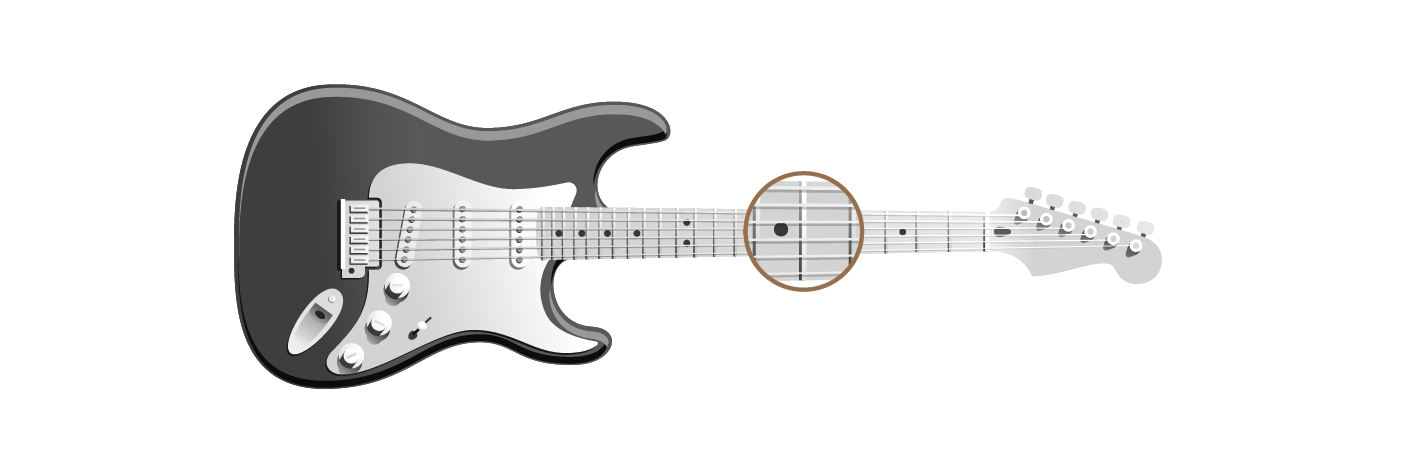
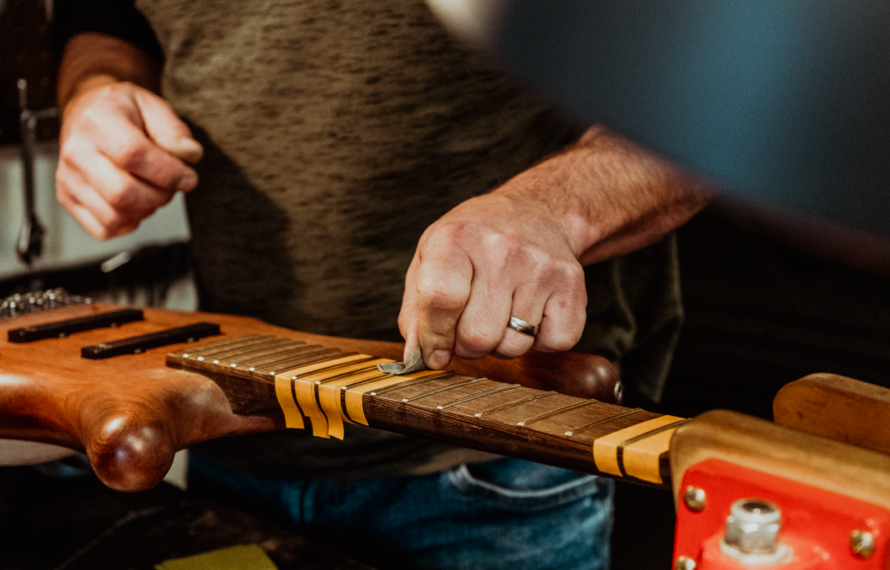
Frets are the metal strips inserted into the fretboard that span the width of the neck. Over time, the frets on a guitar will flatten out and cause divots where the strings are pressed down. As they wear down far enough, you may start getting fret buzz and have intonation issues. While it’s fairly costly, frets can be replaced.
Truss Rod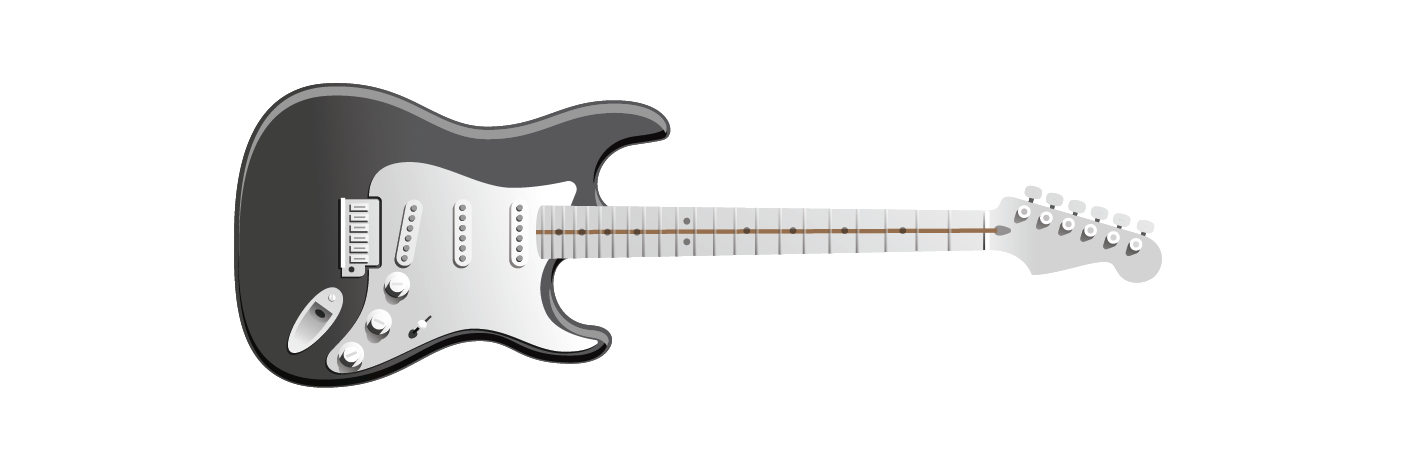
The truss rod is a metal rod in the neck that counteracts the tension from the strings when the guitar is tuned. It allows the player to adjust how much it bends, to their preference. If it's an acoustic guitar, you'll most often find the truss rod nut at the base of the neck, in the soundhole. If its an electric guitar, it is most often found at the end of the neck by the headstock. Make sure the truss rod can be adjusted. If it can't, the tension of the strings will bend the neck forward, causing the strings to sit higher off the fingerboard, making it much more difficult to play. If the truss rod is not functional, replacing it can often cost more than the value of a lower end guitar.
Tuners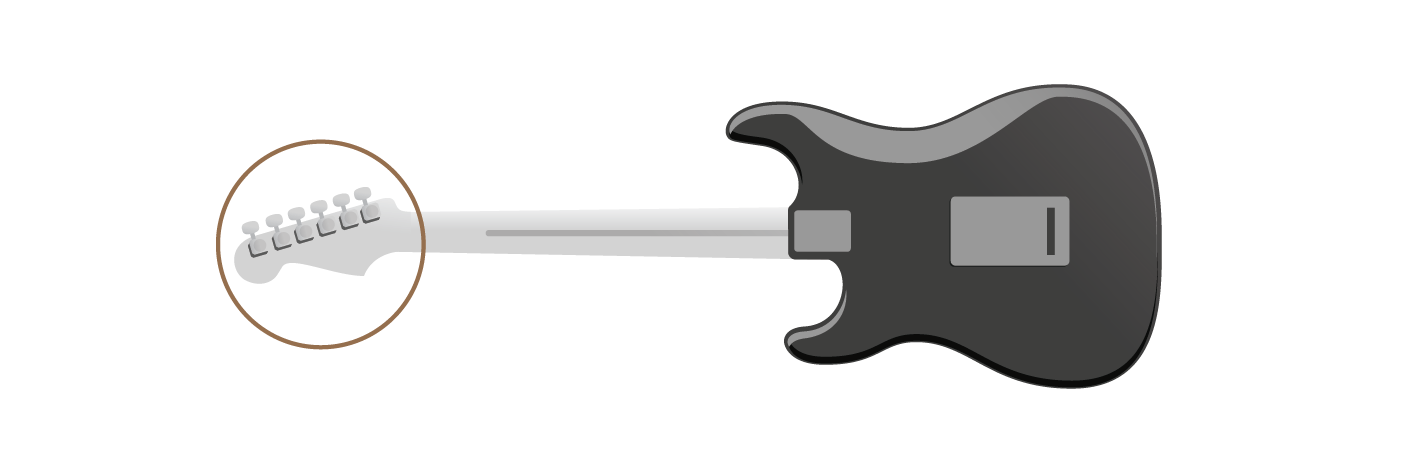
The tuners on the headstock of the guitar should turn smoothly without much resistance.
Nut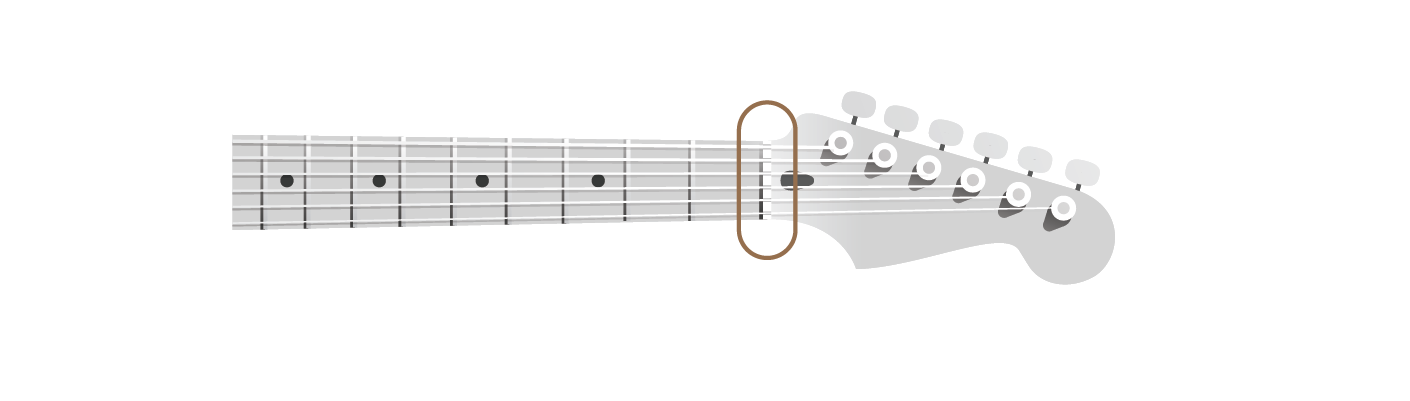
The nut is the slotted strip at the end of the neck that the strings pass over before getting to the headstock. To check the height of the slots, hold down any string after the second fret. Ideally, there should be just a little bit of space between the string and the first fret. If it's too high, the slots can always be filed down. If it’s too low, you may need to replace the nut, which is more costly.
Electronics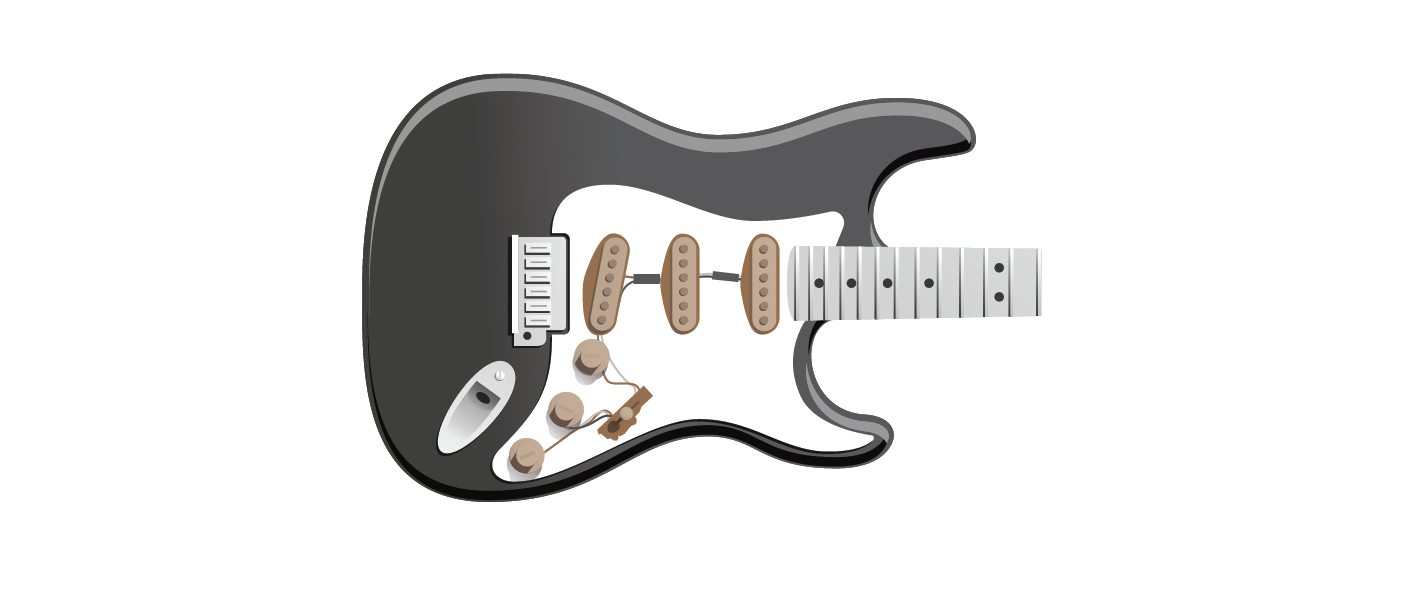
When the guitar is plugged in, make sure to turn the knobs and test any switches to make sure everything is working. If the guitar has been sitting unplayed for an extended period, the knobs might make a static-like sound through the amplifier. This can often be fixed by turning the knobs back and forth repeatedly, or using contact cleaner to get rid of any dirt or dust that may have collected in the potentiometer. Any other crackling when playing or handling the instrument can indicate that there are loose solder joints, or faulty parts that need to be replaced.
Humidification
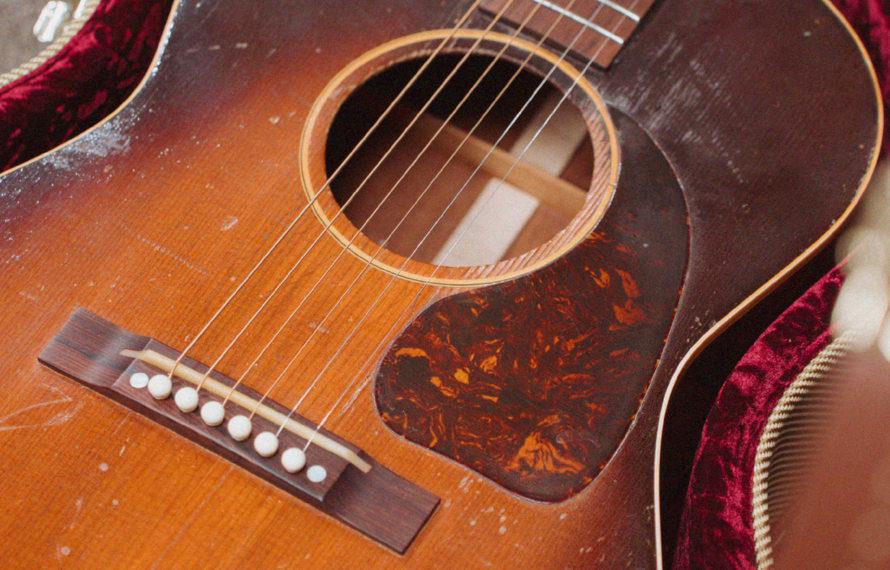
If it's an acoustic instrument with a solid wood top, take a look at that top. Ideally, it will be relatively flat, showing that the previous owner took measures to make sure it had been properly humidified. If it has sunken in a bit or cracked, that means that it has been too dry. If it’s bulging out, it has been too humid.
Summary
We don't want this article to deter you from buying a used instrument–we take in used instruments all the time, for consignment or trade-ins. However, it is important to have a good understanding of what you're getting. Don't get surprised by an instrument that needs extra work to make it play and function properly. If you’re in our area, we welcome you to bring the instrument with the seller to the store for us to take a look at it!
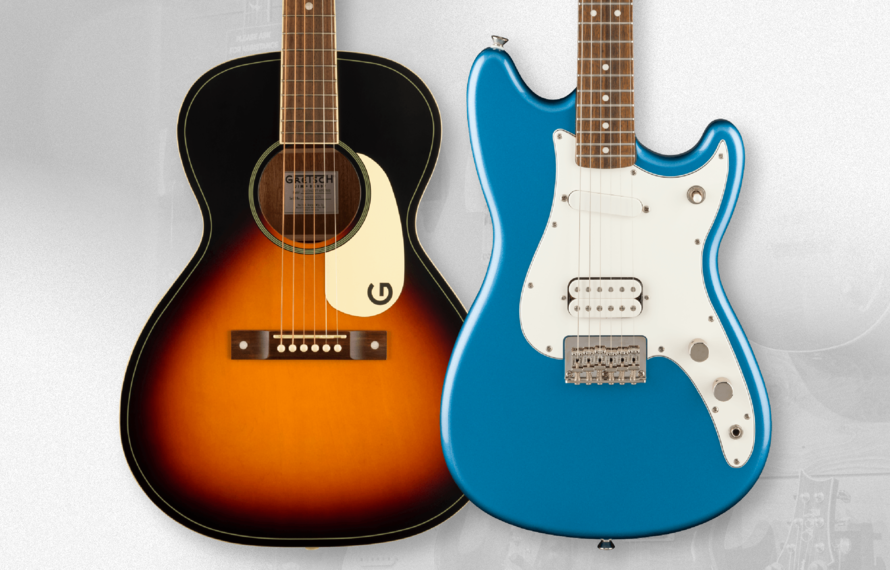
If you're looking for an inexpensive guitar that sounds great and plays well, here are a few options that we're excited about for under $400.
If you liked this article, feel free to check out the other posts in our Learn section!