JB Music Co. - 26 / Jan / 2025
Traditional vs. Modern Construction in Roots Instruments: What Makes the Difference
The evolution of roots instrument construction represents a fascinating intersection of tradition, innovation, and musical necessity, where centuries-old craftsmanship techniques meet contemporary manufacturing capabilities and materials science. Understanding the differences between traditional and modern construction methods empowers musicians to make informed decisions about instrument selection while appreciating how construction choices affect tone, playability, authenticity, and long-term musical satisfaction.
At Janzen Brothers, we recognize that the choice between traditional and modern construction methods involves balancing historical authenticity with practical performance requirements, ensuring that musicians can access both time-honored traditional sounds and contemporary reliability within their preferred musical contexts. This comprehensive exploration examines how construction techniques affect various roots instruments, helping musicians understand what makes each approach distinctive while identifying which construction philosophy best serves their musical goals and artistic vision.
The relationship between construction methods and musical outcomes extends beyond simple material choices to encompass philosophy, cultural values, and the ongoing evolution of traditional music forms within contemporary musical landscapes. Understanding these relationships enables musicians to select instruments that honor their musical heritage while meeting the practical demands of modern performance and recording environments.
Understanding Traditional Construction Philosophy
Handcraft Heritage and Time-Honored Techniques
Traditional roots instrument construction embodies centuries of accumulated knowledge passed down through generations of craftspeople who developed techniques through experimentation, cultural tradition, and direct response to musical needs within specific cultural contexts. These methods prioritize time-tested approaches that have proven their musical effectiveness while maintaining connections to cultural heritage and historical authenticity.
Regional Craftsmanship Traditions Different geographical regions developed distinct construction approaches based on available materials, cultural musical preferences, and local environmental conditions. Appalachian banjo construction differs significantly from African-influenced Caribbean approaches, while Celtic woodwind traditions evolved separately from Native American flute-making techniques, each creating unique tonal characteristics and playing experiences.
Understanding these regional differences helps musicians appreciate why certain construction methods developed and how they contribute to authentic traditional sounds within specific cultural and musical contexts.
Material Selection and Natural Aging Traditional construction emphasizes locally sourced, naturally aged materials that develop tonal characteristics over time through seasoning and musical use. Aged woods, natural gut strings, and traditional finishes create instruments that evolve sonically throughout their lifespans while developing the complex tonal characteristics that many musicians associate with authentic traditional sound.
Traditional materials often require more maintenance and careful handling but reward players with unique tonal qualities and the satisfaction of owning instruments that connect directly to historical musical practices and cultural traditions.
Hand Tools and Artisan Techniques
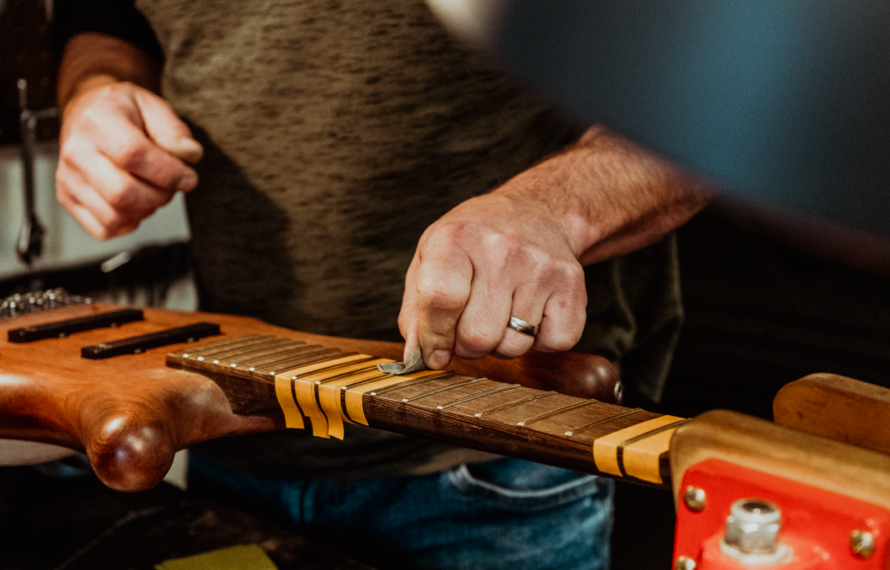
Individual Craftsmanship and Unique Character Traditional construction relies heavily on hand tools and individual artisan skills that create instruments with unique personalities and slight variations that contribute to their musical character. Each traditionally constructed instrument reflects its maker's skills, preferences, and understanding of musical requirements, resulting in instruments with distinctive voices and playing characteristics.
This individual approach creates instruments that often require adjustment periods for players to understand their specific characteristics while offering musical rewards that mass-produced instruments cannot replicate through standardized manufacturing processes.
Time-Intensive Processes and Musical Optimization Traditional construction methods often require extended time periods for proper wood seasoning, hand-shaping, and multiple fitting and adjustment cycles that optimize each instrument's musical potential. These time-intensive processes contribute to higher costs but often result in superior tonal characteristics and musical responsiveness.
Understanding these time investments helps musicians appreciate why traditionally constructed instruments command premium prices while offering musical experiences that justify their additional cost through superior musical performance and long-term satisfaction.
Modern Construction Innovations and Advantages
Precision Manufacturing and Consistency
Modern construction techniques leverage advanced manufacturing capabilities, quality control systems, and materials science to create instruments that provide consistent performance characteristics while maintaining affordable prices that make quality roots instruments accessible to broader populations of musicians and music students.
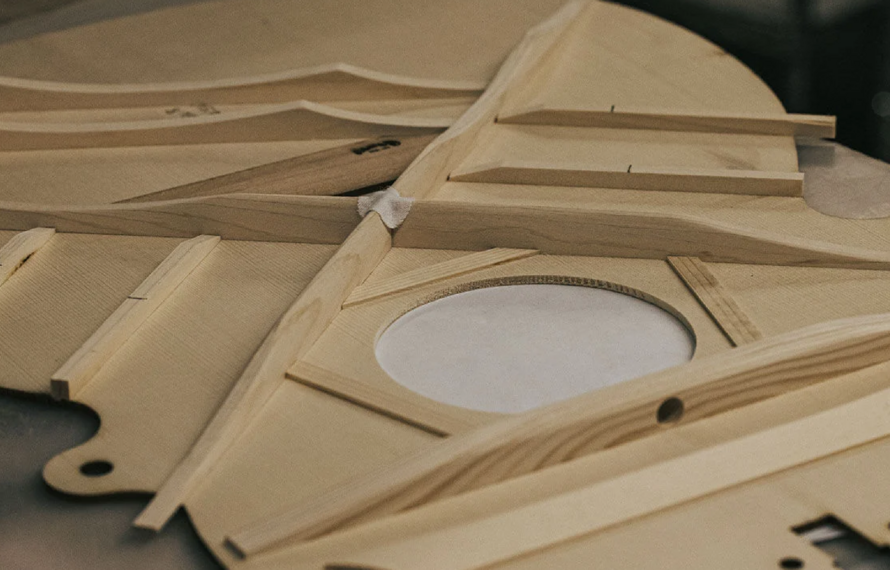
Computer-Aided Design and Manufacturing Contemporary instrument makers use sophisticated design software and precision manufacturing equipment to optimize instrument geometry, bracing patterns, and component relationships that enhance tonal characteristics while ensuring consistent reproduction of successful design elements across multiple instruments.
Modern manufacturing enables precise control over construction variables that traditionally varied between individual instruments, creating reliability and predictability that benefit both manufacturers and musicians seeking consistent performance characteristics.
Quality Control and Standardization Modern construction incorporates systematic quality control processes that ensure each instrument meets established performance standards while eliminating the variability that can make traditional construction unpredictable for musicians who need reliable instruments for regular performance and educational applications.
Standardization enables musicians to select instruments with confidence while ensuring replacement parts availability and service support that traditional handmade instruments may not provide consistently.
Advanced Materials and Synthetic Alternatives
Engineered Woods and Composite Materials Modern instrument construction often incorporates engineered woods, laminated materials, and synthetic components that provide specific performance characteristics while offering environmental sustainability and cost advantages over traditional solid wood construction methods.
These advanced materials can provide enhanced durability, climate stability, and consistent tonal characteristics while reducing dependence on increasingly scarce traditional wood species that face environmental pressure and regulatory restrictions.
Synthetic Strings and Modern Hardware Contemporary string technology provides enhanced tuning stability, longer service life, and consistent tonal characteristics compared to traditional gut strings, while modern hardware offers improved functionality and reliability for tuning mechanisms, bridges, and other critical instrument components.
Understanding how modern materials affect traditional instrument voices helps musicians balance authenticity concerns with practical performance requirements in contemporary musical contexts.
Instrument-Specific Construction Comparisons
Stringed Instrument Evolution
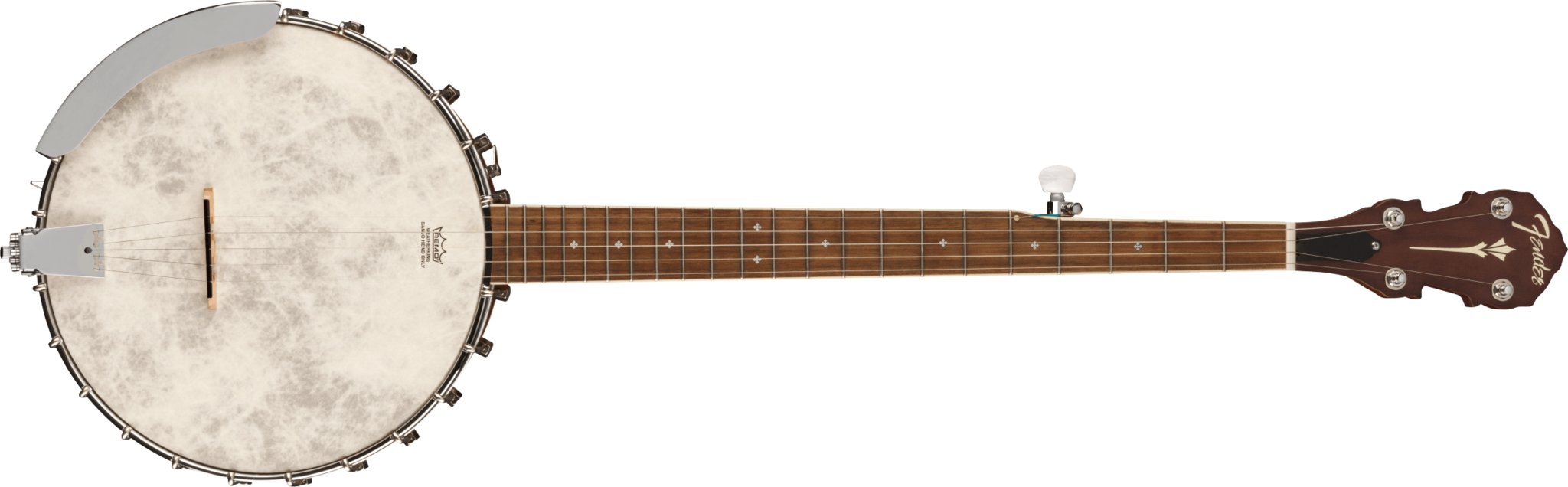
Banjo Construction Traditions and Innovations Traditional banjo construction emphasized locally available materials including goatskin heads, wooden hoops, and simple hardware that created authentic period sounds while reflecting the instrument's folk origins and cultural significance. Modern banjo construction incorporates synthetic heads, metal tone rings, and sophisticated hardware that enhance volume, projection, and tuning stability.
Our detailed exploration of banjo's role in traditional music contexts, covered in Bluegrass Instrument Essentials: Banjo, Mandolin, and Dobro for Traditional Music, provides comprehensive context for understanding how construction choices affect authentic traditional performance while meeting contemporary musical demands.
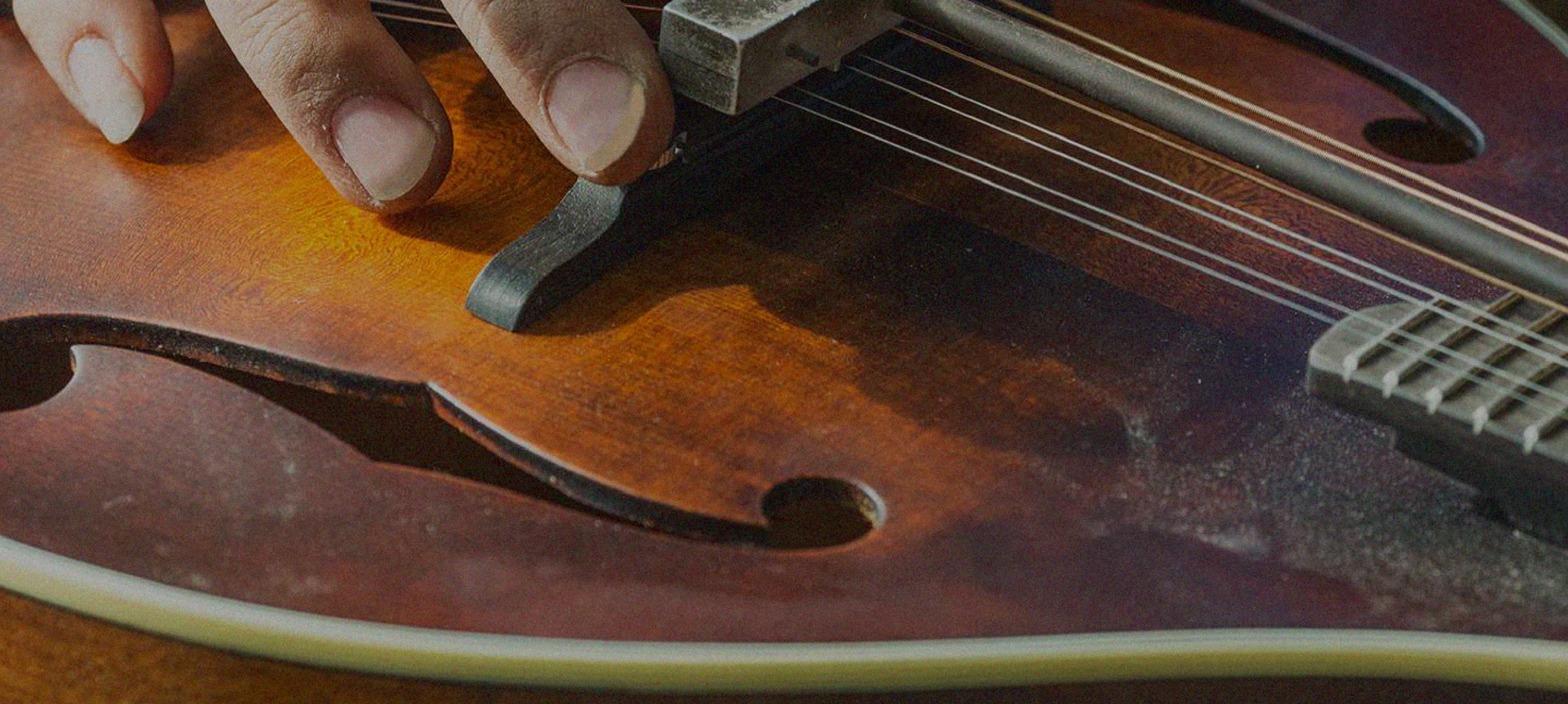
Mandolin Manufacturing Philosophy Mandolin construction ranges from traditional hand-carved instruments that honor Italian lutherie traditions to modern factory-produced instruments that provide consistent quality at affordable prices. Traditional mandolins often feature hand-carved tops, traditional varnish finishes, and individual setup attention that creates unique tonal characteristics.
Modern mandolin manufacturing incorporates precision machinery, consistent wood selection, and standardized setup procedures that ensure reliable performance while maintaining traditional aesthetic and tonal goals within contemporary production capabilities.
Ukulele Construction Approaches Traditional Hawaiian ukulele construction used native koa wood and traditional Portuguese-influenced techniques that created the instrument's characteristic bright, percussive sound. Modern ukulele construction incorporates diverse wood species, laminated construction options, and contemporary manufacturing techniques that provide enhanced durability and affordability.
Understanding these construction differences helps musicians select ukuleles that provide appropriate tonal characteristics for their musical applications while balancing authenticity concerns with practical performance and budgetary requirements.
Wind Instrument Development
Harmonica Manufacturing Evolution Traditional harmonica construction emphasized hand-assembly techniques and individual reed tuning that created instruments with unique personalities and slight tonal variations. Modern harmonica manufacturing uses precision machinery and quality control systems that ensure consistent reed response and tuning accuracy.
Our comprehensive guide to Harmonica in Folk and Roots Music: Keys, Positions, and Playing Techniques explores how construction quality affects playing technique and musical expression while providing context for understanding how traditional and modern approaches serve different musical needs and performance requirements.
Recorder and Whistle Craftsmanship Recorders and whistles span construction approaches from traditional hand-carved wooden instruments that honor historical practices to modern plastic instruments that provide consistent performance at educational price points. Traditional wooden construction often provides superior tonal warmth and responsiveness while requiring more careful maintenance.
Modern synthetic materials offer durability and consistent performance that benefit educational applications while providing access to wind instrument experiences for students who might not otherwise afford quality wooden instruments.
Tonal Characteristics and Musical Performance
Acoustic Properties and Sound Production
Traditional Materials and Tonal Complexity Traditional construction materials often provide complex harmonic content and tonal characteristics that develop and change over time through playing and aging. Solid woods, natural materials, and traditional finishes create instruments with unique sonic fingerprints that reflect their construction methods and material choices.
These tonal characteristics often require adjustment periods for players to understand their instruments' specific responses while offering musical rewards that justify the additional investment in time and money required for traditional construction approaches.
Modern Consistency and Predictability Modern construction techniques prioritize consistent tonal characteristics and predictable performance that enable musicians to select instruments with confidence while ensuring reliable performance across varying environmental conditions and playing situations.
This consistency proves particularly valuable for performing musicians who need reliable instruments for touring and recording applications where unpredictable tonal variations could compromise musical results and professional performance standards.
Playability and Technical Considerations
Traditional Setup and Individual Character Traditionally constructed instruments often require individual setup attention and player adaptation that reflects their handmade nature and unique characteristics. This individuality can create strong player-instrument relationships while demanding more involvement from musicians in understanding their instruments' specific needs and characteristics.
Modern Ergonomics and Standardization Modern construction often incorporates ergonomic improvements and standardized setup procedures that enhance playability while reducing the learning curve required for musicians to achieve comfortable, efficient playing technique with their instruments.
These improvements prove particularly beneficial for beginning musicians and educational applications where consistent, comfortable playing experiences support successful learning and continued musical development.
Environmental and Sustainability Considerations
Traditional Materials and Resource Conservation
Endangered Wood Species and Regulatory Challenges Many traditional instrument woods face environmental pressure and regulatory restrictions that affect availability and cost while raising sustainability concerns for environmentally conscious musicians and manufacturers seeking to balance traditional authenticity with ecological responsibility.
Understanding these environmental factors helps musicians make informed choices about construction materials while supporting sustainable practices that preserve traditional materials for future generations of instrument makers and musicians.
Local Materials and Regional Sustainability Traditional construction often emphasized locally available materials that reduced environmental impact while creating regional instrument characteristics that reflected local cultural values and environmental conditions. Contemporary makers increasingly return to these principles while incorporating modern understanding of sustainable practices.
Modern Alternatives and Environmental Innovation
Sustainable Manufacturing and Alternative Materials Modern instrument construction explores alternative materials and sustainable manufacturing practices that reduce environmental impact while maintaining musical performance standards and aesthetic appeal that satisfy contemporary musicians' needs and values.
Engineered materials, certified sustainable woods, and innovative manufacturing processes offer pathways toward environmentally responsible instrument production while preserving musical traditions and performance capabilities.
Recycled and Composite Materials Contemporary construction increasingly incorporates recycled materials and advanced composites that provide specific performance characteristics while reducing dependence on traditional materials that face environmental pressure and supply limitations.
Cost Considerations and Value Propositions
Investment Analysis and Musical Value
Traditional Construction Costs and Long-Term Value Traditional construction typically requires higher initial investment that reflects time-intensive production methods and premium materials, but often provides superior long-term value through enhanced durability, tonal development, and resale value that justify premium pricing for serious musicians.
Understanding these value propositions helps musicians make informed investment decisions that balance immediate affordability with long-term musical satisfaction and financial considerations.
Modern Construction Accessibility and Performance Value Modern construction enables manufacturers to provide quality instruments at accessible price points while maintaining performance standards that support serious musical study and performance applications without requiring premium investment levels.
This accessibility democratizes access to quality roots instruments while providing entry points for beginning musicians who can develop skills and musical understanding before investing in premium traditional construction options.
Budget Planning and Progressive Investment
Staged Instrument Development Many musicians begin with modern construction instruments before progressing to traditional construction as their skills and musical understanding develop. Understanding this progression helps plan instrument investments that support continued musical growth while providing immediate musical satisfaction.
Quality Thresholds and Performance Requirements Different musical applications require varying quality levels that influence optimal construction choices, with educational applications often benefiting from modern construction reliability while professional performance may justify traditional construction investment for superior musical results.
Making Informed Construction Choices
Matching Construction to Musical Goals
Performance Context and Requirements Understanding how different construction approaches serve various musical contexts helps musicians select instruments that provide optimal performance for their specific applications while honoring their musical values and practical requirements.
Artistic Vision and Cultural Values Musicians must balance practical considerations with artistic vision and cultural values when selecting between traditional and modern construction approaches, ensuring their instrument choices support both musical goals and personal values regarding authenticity and tradition.
Professional Guidance and Expert Assessment
Knowledgeable Consultation and Testing Expert guidance from experienced musicians and knowledgeable retailers helps ensure construction choices that provide lasting musical satisfaction while avoiding costly mistakes that could hinder musical development or compromise artistic goals.
Hands-On Evaluation and Comparison Direct comparison between traditional and modern construction instruments provides essential information about how construction differences affect playing experience and musical results within specific musical contexts and individual preferences.
Building Your Ideal Roots Music Collection
Understanding the differences between traditional and modern construction enables informed decisions that honor musical heritage while meeting practical performance requirements in contemporary musical contexts. Whether you choose time-honored traditional approaches or embrace modern innovations, your construction choices should support both immediate musical satisfaction and long-term artistic development.
Explore our comprehensive roots instrument collection at Janzen Brothers to experience both traditional and modern construction approaches firsthand while receiving expert guidance that helps you understand how construction choices affect musical performance and personal satisfaction. Our knowledgeable staff understands the unique characteristics of both construction philosophies and can guide you toward instruments that match your musical goals while honoring your values regarding tradition and innovation.
Your instrument construction choice reflects your musical values and artistic vision—choose approaches that inspire confidence while connecting you to the rich heritage of roots music traditions and their continuing evolution within contemporary musical landscapes.